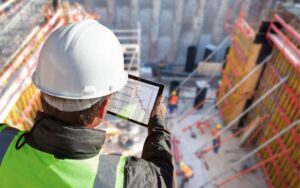

In construction, safety and productivity are top priorities. One factor that affects both is how tools and equipment are managed. Smart tool tracking uses modern technology (like RFID tags, Bluetooth sensors, QR codes, and cloud software) to monitor tool locations and usage in real time. This gives project teams instant visibility of their assets across a site or even multiple sites. Companies around the world are adopting smart tracking to solve common problems: tools going missing or being stolen, workers wasting time searching for equipment, unplanned delays due to missing gear, and safety risks from using improper or uninspected tools. By tackling these issues, smart tool tracking creates a more efficient and safer workplace.
This article looks at six key benefits of implementing smart tool tracking in construction. From streamlined operations and cost savings to safer work practices, these benefits show how an intelligent tool management solution can boost efficiency on site. The following sections explain each benefit in practical terms, using real examples without any sales hype. Let’s delve in.
Table of Contents
6 Benefits of Smart Tool Tracking for Construction Safety and Productivity
Benefit 1: Improved Inventory Visibility and Loss Prevention
Smart tool tracking provides real-time visibility into where each tool is and who has it. This transparency makes it much harder for tools to disappear without notice. If a tool is taken off-site or left in an unexpected place, the system will flag it. As a result, losses and theft are greatly reduced because every item is accounted for.
Loss prevention is a major financial benefit. Lost and stolen tools cost construction companies significant money every year. With tracking, if something goes missing, you have data to investigate and often recover it. For example, one large project initially thought over half its equipment was lost by the end of the job. After using a tracking system to audit the site, they found most of those “missing” items and ended up with only a small percentage truly unaccounted for.
Better visibility saved them from buying expensive replacements. Moreover, knowing exactly what tools are on hand means managers can avoid ordering duplicates. A central inventory view lets a company reallocate tools between sites rather than constantly purchasing new ones. In short, smart tracking keeps assets from getting lost and ensures the tools you own are fully utilized instead of misplaced or forgotten.

Benefit 2: Time Savings and Increased Productivity
Without a tracking solution, workers can waste a lot of time searching for misplaced tools. Studies have found that this can add up to dozens of hours per employee per year – time that should be spent on the actual work. Smart tool tracking eliminates most of this wasted search time. Crew members can instantly locate a tool by checking the system, which tells them its last known location or who last used it. Instead of wandering around the site or rummaging through storage, they get answers in seconds. This means tasks don’t get stalled due to missing tools – work can continue with minimal interruption. Over the course of a project, these time savings are tremendous for productivity.
Additionally, many smart tracking systems automate administrative tasks like tool check-in and check-out. Scanning a tag when taking or returning a tool creates a record without paperwork. This reduces paperwork and manual tracking for supervisors. Overall, the time that used to be lost in tool hunts and manual logs is now recovered and put back into productive work on the job.
Suggested article to read: 5 Ways AI is Revolutionizing Asset Tracking and Management
Benefit 3: Optimal Resource Allocation and Utilization
Smart tracking also helps allocate equipment efficiently across projects and teams. Project managers get a bird’s-eye view of all tools available and can deploy them where they are needed most. This prevents scenarios where one crew has idle equipment while another crew is waiting for the same item. For instance, a spare concrete mixer on one site can be quickly reassigned to another site that needs it. By balancing resources in real time, projects avoid delays and each asset is put to good use.
Better utilization of tools means cost savings as well. The data from tracking reveals how often each piece of equipment is actually used. Managers can identify underused tools that might be shared or rented out, and they can avoid buying too many of a tool when a few can be moved around as required. Over time, this data-driven approach ensures the company invests in the right amount of equipment and gets maximum value from what it already owns. In summary, smart tool tracking lets you get the most out of your assets, keeping projects on schedule without overspending on redundant tools.

Benefit 4: Streamlined Maintenance and Reduced Downtime
Keeping tools and machines in good working order is essential for productivity and safety. Smart tracking systems make maintenance management much easier. The software can log each tool’s usage hours or mileage and send alerts when it’s time for maintenance or inspection. For example, if a power generator has been used for a set number of hours, the system can remind the team to service it before the next job. By performing timely maintenance, companies can prevent unexpected breakdowns on site.
Reducing surprise equipment failures leads to less downtime. A well-maintained tool is far less likely to break in the middle of a critical task. This means work doesn’t halt due to a tool malfunction. Additionally, tracking maintenance records ensures nothing falls through the cracks – every piece of equipment gets the care it needs on schedule. In the long run, this not only keeps projects running smoothly but also extends the lifespan of tools. Equipment that is regularly serviced will last longer and perform better, saving money on replacements. Overall, smart tool tracking helps crews stay proactive about maintenance, which keeps productivity high and projects on track.
Benefit 5: Enhanced Safety and Regulatory Compliance
Smart tool tracking contributes to a safer jobsite and helps with compliance requirements. One safety benefit is that these systems can control who is allowed to use certain tools. For instance, you can restrict check-out of a dangerous power tool to only those workers who have the proper training or certification. This prevents unqualified personnel from accidentally using equipment that could hurt them or others. The tracking log shows exactly who has each tool, so there’s clear accountability if something is used incorrectly.
Another benefit is thorough documentation, which aids compliance with safety regulations. The system automatically keeps records of inspections, maintenance, and usage for each tool. If a regulator or safety auditor needs proof that a machine was inspected last month, you can pull up that record instantly. This makes it much easier to comply with laws and standards regarding equipment safety. By having all this information organized, companies can avoid fines and ensure every tool on site is safe to operate.
Overall, smart tracking provides an extra layer of oversight that improves safety. Workers use tools that are in good condition and appropriate for them, and managers have full visibility into equipment status. The result is fewer accidents and a construction site that runs in line with safety best practices at all times.
Benefit 6: Accountability and Workforce Responsibility
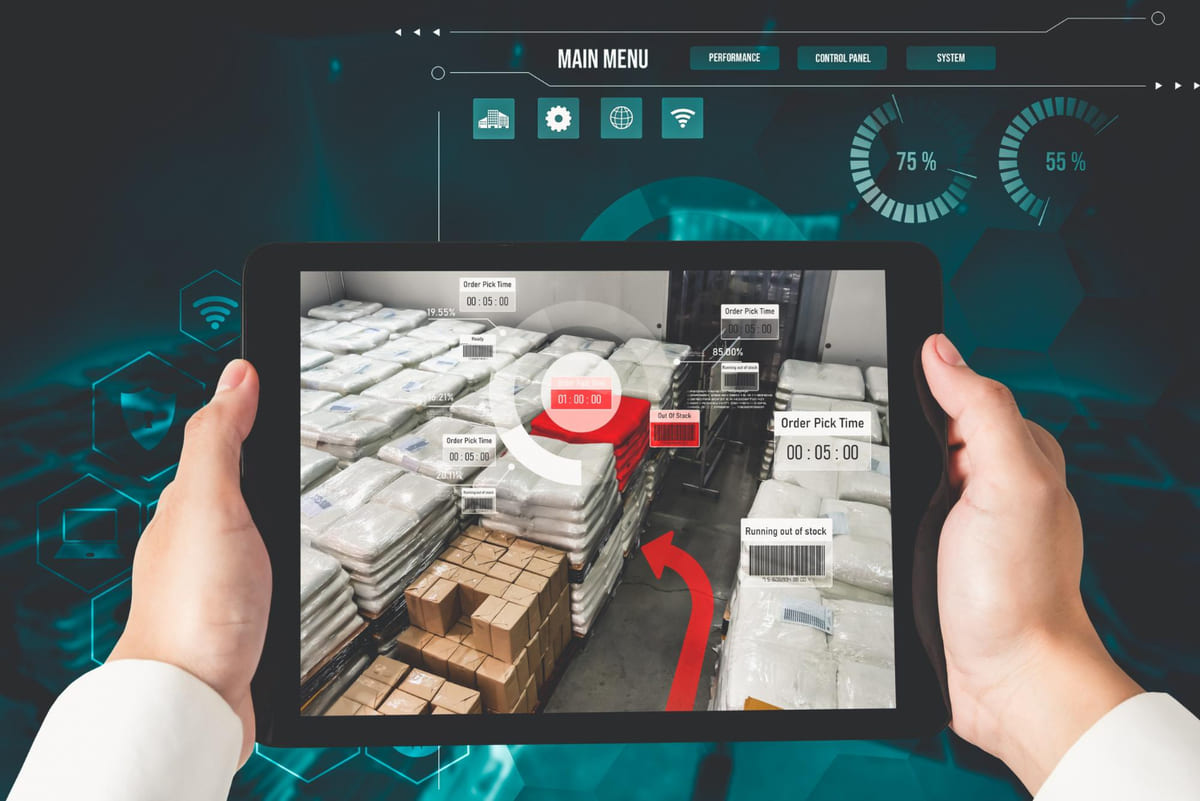
Knowing that every tool is tracked and logged encourages a culture of accountability among the crew. Workers are more likely to take care of tools and return them on time when they know the system is monitoring usage. It becomes clear that if a drill goes missing or a ladder is left out, the tracking log will indicate who last had it. This tends to reduce careless behavior – for example, tools are less often left scattered around because everyone understands that missing items will be noticed immediately.
Improved accountability leads to tangible savings. With fewer tools lost or damaged through neglect, the company spends less on replacements and repairs. Additionally, managers can use tracking reports to spot patterns (such as a particular team misplacing tools frequently) and address those issues through training or process changes. In short, smart tool tracking makes each team member more responsible for the equipment they use. This not only preserves the company’s assets but also fosters pride in maintaining an organized, efficient work environment.
FAQs
How does smart tool tracking work on a construction site?
It works by tagging tools with identifiers (like barcodes, RFID chips, or Bluetooth tags) and using software to monitor them. When a tool is checked out or moved, the system records who took it and where it goes. All that information is available on a cloud-based dashboard. At any time, managers can open the app to see which tools are in use, who has them, and where they are on site.
What technologies are used in smart tool tracking systems?
These systems typically use a combination of hardware tags and software platforms. Common tags include QR code labels and RFID tags that can be scanned, as well as wireless Bluetooth Low Energy (BLE) beacons that broadcast a signal. For larger equipment, GPS trackers or telematics devices are often used to provide location data. All these devices connect to a software system (usually via the cloud) that collects the information. The software then displays tool locations, sends alerts, and stores usage history. In essence, it uses IoT technology to connect physical tools to a digital platform.
Which tools and equipment can be monitored with smart tracking?
Almost any tool or piece of equipment on a construction site can be tracked if it’s fitted with an appropriate tag or device. Hand tools and power tools (drills, saws, hammers, etc.) can have barcodes or small BLE tags attached. Larger equipment like generators, forklifts, or excavators often use GPS units or telematics sensors. Even materials or tool containers can be tracked. From ladders and laser levels to heavy machinery, if it’s something you need to keep track of, it can be included in a smart tracking system.
Is it true that smart tool tracking can help prevent tool theft and loss?
Yes. By maintaining continuous visibility of tools, smart tracking significantly deters theft and reduces losses. When tools are tagged and monitored, it becomes very difficult for them to go missing unnoticed. If a tool is taken, the system logs when and by whom, which helps in recovering it or holding the right person accountable. Many companies have reported that after implementing tool tracking, the number of lost or stolen tools dropped dramatically.
While it’s not a foolproof security measure against every theft, it greatly improves the chances of recovery and discourages would-be thieves because the risk of being tracked is high. In short, tool tracking creates a much tighter control environment, so tools are far less likely to simply disappear.
Conclusion
In summary, smart tool tracking directly improves construction safety and productivity. It prevents costly losses, saves time by streamlining how tools are managed, optimizes equipment use across projects, and reinforces safety protocols through better oversight. All these benefits help projects run more smoothly and efficiently. In an industry where delays and accidents can be extremely costly, leveraging technology to manage tools has become increasingly important. Whether it’s a small contractor operation or a large international construction firm, investing in smart tool tracking leads to a more organized, safer, and more productive jobsite.
Resources:
-
ABAX. (2023). Did you know? Construction workers spend 38 hours annually looking for their tools?
-
IAT Insurance Group. (2023). Theft is on the Rise: Is your construction site secure? Insurance Journal, 5 July 2023.
-
Deltek. (2023). 6 Benefits of Tool and Equipment Tracking in Construction.
-
Quickbase. (2025). Smart Strategies for Construction Asset and Tool Tracking (D. Stout, Author). Available at:
-
AHG Inc. (2025). Smart Tool Tracking Software for Contractors (Real Time Asset Management Solution).
For all the pictures: Freepik
Suggested article for reading:
5 Use Cases of Telematics and IoT in Construction Tool Tracking
Top 7 Construction Tool Tracking Systems Transforming Site Efficiency in 2025
Top 7 Sensor Solutions Transforming Construction Site Safety in 2025
Top 6 IoT Use Cases in Construction Backed by Top Companies in 2025