
Indoor air quality is a critical aspect of any interior project, from home renovations to commercial building maintenance. Enclosed spaces often accumulate dust, fumes, and other pollutants that can harm comfort and health. Traditional HVAC systems or fixed ventilation may not always be available or sufficient, especially in older buildings or temporary work areas. In such cases, portable filtration and ventilation solutions provide a flexible way to remove contaminants and supply fresh air.
This article explores eight practical setups that use portable air filters and ventilators to achieve cleaner air in interior environments. Each setup is presented with real-world examples and tips, in a clear and technical yet easy-to-understand manner. By combining source control, adequate ventilation, and effective filtration, you can significantly improve indoor air quality during your interior projects without creating uncomfortable or unhealthy environments.
Table of Contents
8 Portable Filtration and Ventilation Setups for Cleaner Air on Interior Project
1. Portable HEPA Air Purifiers (High-Efficiency Particulate Air)
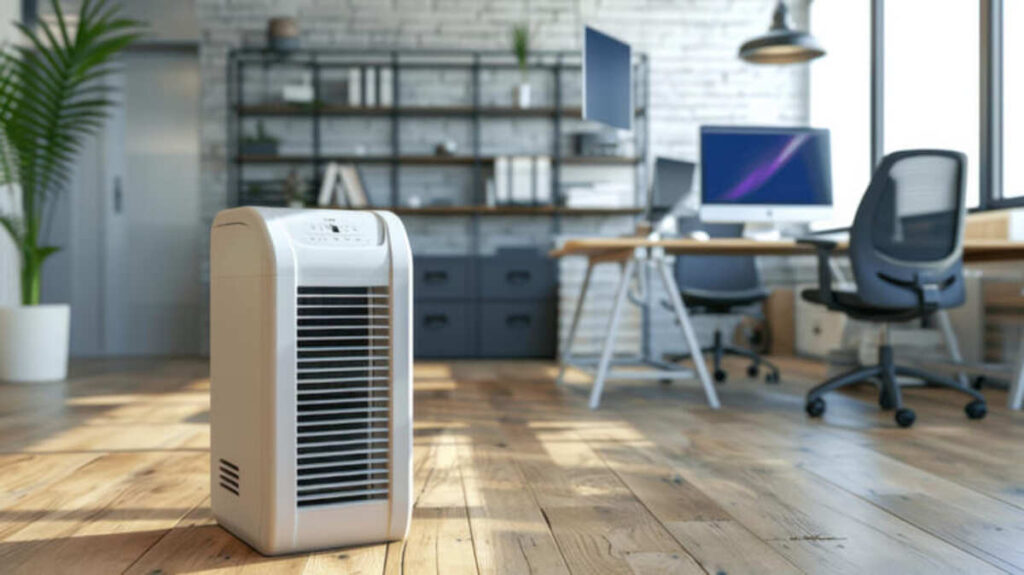
Portable HEPA air purifiers are self-contained units designed to filter the air in a single room or zone. They draw in ambient air and pass it through high-efficiency filters to trap particulate pollutants, then recirculate the cleaned air back into the space. A true HEPA filter captures at least 99.97% of fine particles as small as 0.3 microns in size, which includes common irritants like dust, pollen, mold spores, and smoke. By removing these microscopic particles, a HEPA purifier can significantly reduce haze and allergens in the air, improving overall air clarity and reducing health risks.
In practice, portable air purifiers are often used in offices, homes, and healthcare settings to maintain cleaner air where central systems are lacking or need supplementation. For example, during a building retrofit, staff working in a closed-off office might deploy a HEPA air purifier to continually remove drywall dust and carpet fibers released by nearby construction. Over the course of hours, the unit can reduce particle concentrations dramatically, helping occupants breathe easier. Studies have shown modest to substantial improvements in air quality and even health symptoms when good portable air cleaners are used consistently in occupied spaces.
When choosing a portable purifier, it’s important to select a model appropriately sized for the room. Each unit has a Clean Air Delivery Rate (CADR) that indicates how much air it can filter per minute – higher CADR values mean faster cleaning and coverage of larger areas. As a rule of thumb, the CADR should be about two-thirds of the room’s volume flow requirements. Place the purifier in the area where people spend the most time (for instance, in a bedroom at night or near workstations during the day) for maximum benefit.
Keep doors and windows closed in that room while the device runs so it can effectively circulate and clean the indoor air without being diluted by unfiltered air from outside. Most portable purifiers also include activated carbon or charcoal filters to adsorb odors and volatile organic compounds (VOCs) such as paint fumes or cooking smells – this is useful for interior projects that involve strong chemicals or odors. Remember to replace or clean filters on the recommended schedule because clogged filters reduce performance significantly.
Also, avoid units that produce ozone or use ionizers as a primary mechanism, since those can generate unwanted byproducts and are not recommended for occupied indoor spaces. In summary, a portable HEPA air purifier is a reliable, plug-and-play solution to capture airborne dust and allergens, making it an essential tool for maintaining air quality in enclosed project areas or any interior space in need of cleaner air.
Suggested article to read: Construction HVAC Systems; Ultimate Guide for 2024
2. DIY Box Fan Air Filter (Home-Made Air Cleaner)
Not every situation requires a specialized commercial purifier – sometimes a simple do-it-yourself solution can deliver cleaner air in a pinch. One popular setup is the DIY box fan air filter, often referred to as a Corsi-Rosenthal box in honor of its creators. This setup involves attaching a high-efficiency furnace filter (typically rated MERV 13 or higher) to a standard box fan to create a budget-friendly air cleaner.
The concept is straightforward: the fan pulls air through the filter, which captures a large portion of the particles, and then blows out cleaner air. This method gained widespread attention during wildfire smoke events and the COVID-19 pandemic as an accessible way for people to improve indoor air quality when commercial air purifiers were either too expensive or in short supply.
Building a DIY air filter is quite simple and can be done with common materials. To assemble a basic box fan filter:
-
Use a new 20-inch box fan (models made in 2012 or later are recommended for safety, as they have improved motors and thermal protection).
-
Acquire a 20″x20″ high-efficiency pleated air filter (Minimum Efficiency Reporting Value MERV 13 or better, or a True HEPA if available in that size). This filter will be the main particle-capturing component.
-
Attach the filter to the intake side of the fan (the side where air is sucked in). You can use duct tape, bungee cords, or clamps to secure the filter so that all air passing through the fan must go through the filter. Ensure the arrow on the filter (indicating airflow direction) points into the fan.
-
Optionally, add a cardboard shroud or square frame to cover the corners of the fan’s intake side, which helps direct more air through the filter’s surface and improves efficiency. Some DIY designs even use multiple filters (forming a cube or triangle) to increase surface area and prolong filter life.
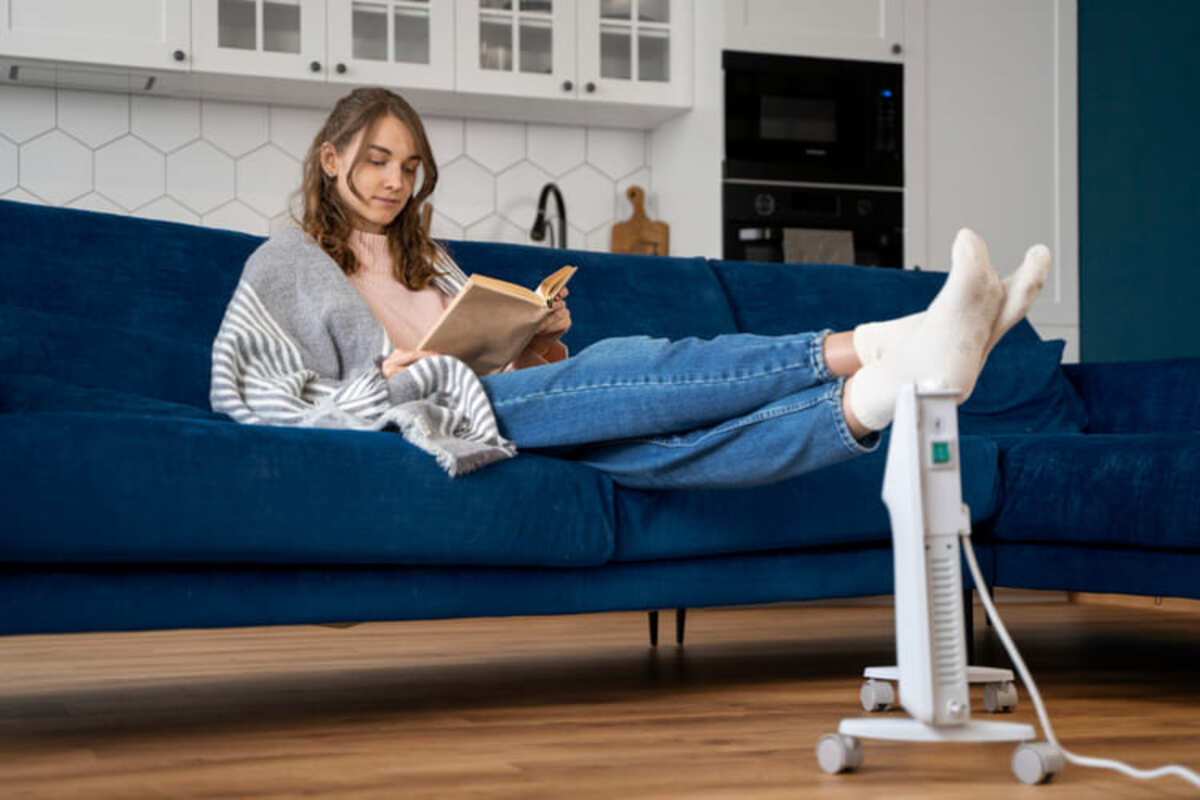
Despite its homemade nature, a well-made box fan filter can noticeably reduce airborne dust and smoke in a room. In tests, these DIY units have achieved significant particulate reductions – often removing a large fraction of fine smoke particles within an hour of operation. For instance, residents during wildfire season have reported that running a box fan filter in their living room kept indoor PM2.5 (fine particulate matter) levels much lower than outdoors, providing safer breathing conditions until outdoor air quality improved. This setup is also useful on construction sites or workshops: a couple of fan-filter units placed around a sanding or cutting area can continuously scrub the air of sawdust and drywall particles.
Keep in mind some practical considerations: Always use a fan in good working condition and never cover the motor vents – the fan needs to dissipate heat. Newer fans are designed to handle the added resistance of a filter without overheating, but it’s wise to monitor the fan for the first few hours to ensure it’s operating normally. Replace the filter when it becomes visibly dirty or when airflow noticeably decreases.
A dirty filter will strain the fan and lose effectiveness, so have spare filters on hand especially if you’re dealing with heavy pollution like smoke or construction dust. While a DIY air cleaner is not as polished as commercial purifiers (and might be louder), it is an excellent cost-effective solution for temporary needs. It demonstrates how portable filtration can be achieved with minimal resources, improving air quality in interior spaces on a tight budget.
3. Portable Air Scrubber Machines (Professional HEPA Units)
For more demanding projects that generate large amounts of dust or require continuous air cleaning, portable air scrubber machines are the go-to solution. These are professional-grade filtration units, typically used on construction sites, renovation projects, disaster restoration, and industrial settings. An air scrubber consists of a powerful blower fan coupled with one or more filter stages (often including pre-filters, a HEPA filter, and sometimes activated carbon filters).
The unit “scrubs” the air by drawing it in, trapping contaminants in the filters, and then exhausting the cleaned air. Many models are designed to filter out both particulate matter (like drywall dust, wood dust, mold spores) and certain airborne chemicals or odors (when equipped with carbon filters), making them versatile for improving air quality in challenging environments.
Portable air scrubbers are usually larger and more rugged than home air purifiers – they often feature durable plastic or metal housings, handles or wheels for transport, and the ability to connect ducts to their air inlet or outlet. This ductability means they can be used to set up negative pressure containment (more on that in the next section) or to direct air where needed. In a real-world example, consider a remodeling project in an occupied office building: Workers are removing old plaster and sanding surfaces in one suite, which generates clouds of fine dust.
By placing a portable HEPA scrubber in the work area and running it continuously, the team can capture a substantial portion of the airborne dust before it settles or drifts into adjacent areas. Contractors often report seeing dust visibly being drawn toward the scrubber intake, indicating that the machine is effectively pulling contaminated air in. Over the course of a workday, this reduces the dust that escapes into hallways and nearby offices, thereby protecting other occupants and making cleanup easier. Air scrubbers are also invaluable in post-fire cleanup (removing soot particles), mold remediation (capturing mold spores and musty odors), and during floor refinishing or painting (when equipped with carbon filters to reduce solvent fumes).
When using a portable air scrubber, size and placement are important. Units are rated by airflow (for instance, cubic feet per minute (CFM) or cubic meters per hour). A typical portable scrubber might provide 500–2000 CFM; you’ll need to choose a capacity suitable for the volume of the space and the intensity of pollution. In general, aim for several air changes per hour – meaning the machine should circulate an amount of air equivalent to the room’s volume multiple times in an hour.
Place the scrubber close to the dust source if possible (e.g., near the work area where dust is produced) to capture contaminants at their origin. If the space is large or has multiple rooms, you may use multiple units or move the unit periodically to cover different zones. Regular maintenance is critical: pre-filters (which catch larger dust to prolong the HEPA filter’s life) may need to be cleaned or replaced daily on very dusty jobs, and the main HEPA filter must be changed according to the manufacturer’s guidance or when it becomes clogged.
One advantage of these portable scrubbers is their ability to operate 24/7 if needed, robustly handling heavy particle loads that would overwhelm smaller purifiers. They effectively turn a construction zone into a cleaner air space by continuously removing harmful dust. Some units additionally incorporate UV light or other sanitizing features for bioaerosols, but the primary proven method is still mechanical filtration with HEPA. By deploying a portable air scrubber, project managers can maintain a safer environment, ensuring that fine debris and harmful particles are actively controlled rather than left to circulate. This makes portable scrubbers a cornerstone of healthy air practices in interior construction and renovation projects.
4. Negative Pressure Ventilation Setup (Dust/Fume Containment)
Creating a negative pressure environment is a ventilation strategy used to prevent contaminated air from escaping a defined area. In an interior project, this typically means setting up a work zone (such as a room or a sectioned-off area with plastic sheeting) where dust or fumes are produced, and using a fan system to constantly exhaust air from that zone to the outside.
Because air is continually pulled out of the space, fresh air from surrounding areas or outdoors flows into the zone to equalize pressure, rather than allowing the dirty air to leak out. This setup is widely used in situations like asbestos or lead paint removal, medical isolation rooms, and any renovation where you want to protect the rest of a building from dust or chemical odors.
A portable air scrubber or a high-capacity exhaust fan can serve as the heart of a negative pressure setup. For example, imagine you are refinishing wood floors in an old house while the family is still living upstairs. Sanding floors produces very fine wood dust that could spread throughout the house. To contain it, workers hang plastic sheets over doorways to close off the work area.
They then place a ducted portable fan or scrubber near a window or exterior door in that area, with the outlet blowing air directly outside (through a flexible duct hose). As soon as the fan is turned on, it begins pulling dusty air out of the room and expelling it outdoors. This creates a slight vacuum effect in the work zone, so any small gaps in the plastic barriers actually allow air to move into the work zone (from the cleaner areas) rather than letting dusty air move out.
The dust-laden air gets filtered (if using a scrubber with HEPA) before release, or at least directed outside away from people. As a result, adjacent rooms and hallways stay much cleaner – workers often find that after implementing negative pressure, there is minimal dust settling outside the contained area, and any lingering smells of varnish or paint are much weaker outside the work zone.
Key elements for a successful negative pressure ventilation setup:
-
Containment: Use physical barriers (plastic sheeting, zippered door flaps, etc.) to isolate the work area as much as possible. Seal cracks and HVAC vents if needed to avoid leaks.
-
Exhaust Fan: Install a portable ventilator or air scrubber that can move a high volume of air. It should be positioned to draw air from the top of the room (where dust and fumes naturally rise) if possible, and vent to the exterior. Ensure the exhaust duct is secured and blowing to a safe outdoor location (away from intake vents or occupied areas).
-
Continuous Operation: Run the exhaust continuously while work is ongoing and for some time after (to clear residual particles). Many projects keep the negative air machine running overnight at a low speed to further cleanse the area.
-
Monitoring: You can verify negative pressure by simple methods like observing that plastic sheets bow inward slightly or using a handheld device to check airflow direction at cracks. If odors start escaping or dust is found outside, it might indicate the airflow is insufficient or a leak in containment needs fixing.
Negative pressure setups are also used in healthcare (for example, an isolation room for infectious patients will have a dedicated exhaust that keeps the room under negative pressure relative to corridors, to contain airborne pathogens). In an interior construction context, this technique greatly reduces the spread of contaminants. It’s important to note that the exhausted air, while solving an indoor problem, is being discharged out – so if the pollutants are hazardous (like asbestos fibers or toxic fumes), filtration before discharge is necessary to avoid simply transferring the hazard outdoors.
Usually, a HEPA filter on the exhaust fan handles particulate matter, and additional carbon filters can help scrub out chemicals. This portable ventilation strategy ensures that “bad” air is continuously removed at the source and replaced by cleaner air, protecting both workers inside the project area and anyone in the surrounding environment.
5. Portable Exhaust Fans for Fresh Air Exchange
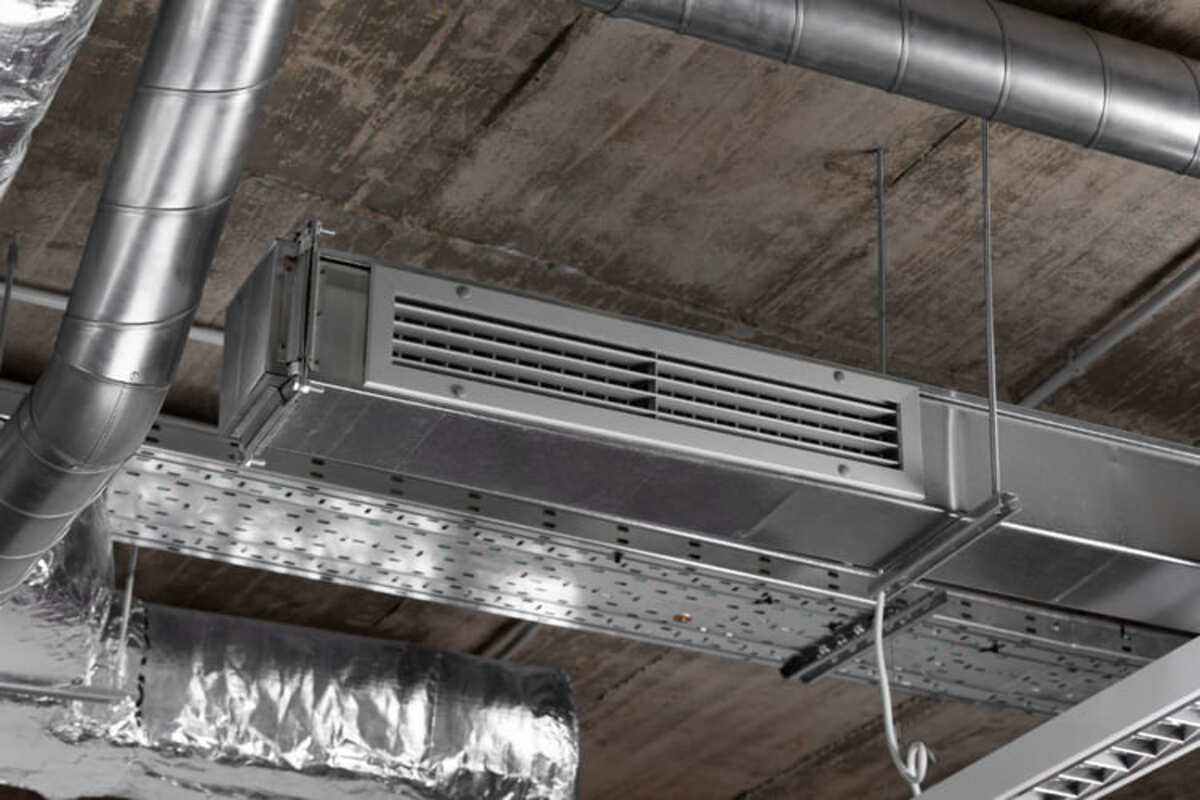
Sometimes the simplest way to get cleaner air is to flush out the dirty air. Portable exhaust fans are versatile tools for improving indoor air by increasing ventilation – essentially, they help exchange stale or polluted indoor air with fresher outdoor air. In many interior projects, especially those involving painting, varnishing, or using strong adhesives, a buildup of fumes can be just as much a concern as dust. Placing an exhaust fan in a window or doorway is a classic solution to clear out such fumes quickly. The fan blows indoor air directly outside, carrying away volatile chemicals, odors, and moisture, while drawing in outside air to replace it.
For example, consider an interior painting project in a room with only one small window. The paint and solvents emit VOCs that create a harsh smell and potentially harmful breathing conditions if concentrated. By setting up a box fan or a speciality window exhaust fan in that window (facing outward), and cracking open a door or another window elsewhere for makeup air, you establish a one-way airflow.
The fan forces the contaminated air out of the room, and fresh air from other openings flows in to fill the space. This cross-ventilation can dramatically reduce the concentration of paint fumes – painters often report that an exhausting fan makes the difference between unbearable chemical odors and a tolerable workspace. Similarly, after using cleaning products or during activities like soldering or arts and crafts (gluing, spray painting models), running a small exhaust fan near the work area will vent the emitted chemicals and improve the air quality.
Portable exhaust fans come in various forms. On the simple end, a household box fan or a window fan unit can serve as an exhaust. There are also inline duct fans and blower fans that can be positioned in a doorway or connected to flexible ducts to reach a window. Some fans have reversible flow or a switch to choose intake vs exhaust mode.
In a scenario where you have two windows, you might use one fan blowing out and another fan (or just an open window) on the opposite side of the room or building to pull fresh air in – this greatly enhances the air exchange rate by pushing old air out one side and sucking new air in from the other.
Even in the absence of a cross-breeze, a single exhaust fan will create a pressure difference that draws outside air in through any available gap. The result is dilution of indoor contaminants: dust and odors don’t linger as long, and carbon dioxide levels from occupants or combustion are reduced.
When using portable exhaust fans, a few considerations ensure effectiveness and safety:
-
Choose the Right Size: The fan’s capacity (often given in CFM) should match the room size and pollution level. A small 8-inch fan might suffice for a bathroom or tiny room, whereas a large workshop might need a high-velocity fan to move sufficient air.
-
Placement: Mount or place the fan securely in an opening, and block any extra gaps around it so that air doesn’t blow back in around the edges. Many window fans come with adjustable panels to fit snugly. If using a door, you can hang a tarp around the fan to concentrate the airflow.
-
Weather and Outdoor Air Quality: Ventilation is only helpful if the outside air is reasonably clean. Avoid using fans to bring in outdoor air on days when pollution or allergens outside are very high (or during a wildfire smoke event, for example). In such cases, you’d rely more on filtration (as discussed in other sections) until outside conditions improve. Also be cautious of rain entry if using a window fan during wet weather, and avoid running fans in extreme temperatures if it will make indoor conditions uncomfortably hot or cold.
-
Directional Airflow and Drafts: Ensure the exhaust fan isn’t inadvertently pulling contaminants from a dirty area into a clean area. For instance, if you have a dusty room adjacent, be mindful that any open path between them could draw dust when the fan is on. Ideally, exhaust to outside, not from one interior room to another. Also, if using multiple fans, set them so they collaborate (one in, one out) rather than competing.
-
Personal Safety: As a note, never place a fan such that it blows directly from one person toward another in close quarters when hazardous aerosols (or infectious particles) could be present. During disease outbreaks, experts caution that a fan might channel germs from an ill individual straight to others. Aim fans to circulate air generally or to exhaust outdoors, not at people’s faces.
In summary, a portable exhaust fan is a straightforward ventilation setup to achieve cleaner air by dilution and removal of pollutants. It doesn’t “clean” the air through filters, but by continually replacing contaminated indoor air with outside air, it can maintain a healthier environment.
This method works especially well for odor control and general fresh air needs, and it is often used in conjunction with filtration: for example, you might ventilate a space after dust-generating work to clear any remaining fine particles that even the filters missed. Properly applied, portable fans ensure that indoor projects aren’t sealed boxes of stale or polluted air, but rather spaces that breathe.
6. Local Fume Extractors and Source Capture Systems
A powerful strategy to maintain cleaner air is to capture pollutants right at their source before they disperse into the room. Local fume extractors and source capture systems are portable ventilation setups designed to do exactly this. They typically consist of a high-suction intake (like a hood, nozzle, or snorkel arm) placed very close to the emission source, which is connected to a fan and filter unit.
The system sucks in contaminated air immediately as it is generated – for example, the smoke from a soldering iron, fumes from a paint station, or dust from a grinding tool – and filters it or ducts it away, preventing much of it from ever mixing into the room’s air. These devices are common in industrial and laboratory environments (welding fume extractors, lab fume hoods) but are also used in smaller scales such as nail salons (to capture chemical odors) or by DIY hobbyists (for 3D printer fumes or solder smoke).
A typical portable fume extractor has a flexible arm that can be positioned over or next to the work area where fumes are produced. At the end of the arm is a hood or inlet. The unit’s fan draws the air through this inlet and into a series of filters. Usually, there’s a pre-filter and a HEPA filter to trap particles (like smoke particles or fine dust), and an activated carbon filter to adsorb gases and odors.
Cleaned air is then released back into the room (or in some cases, the unit can be configured to vent outside if filters are not used or if zero recirculation is desired). For instance, a woodworker might use a portable extractor attached to a saw or sander – as the tool operates, sawdust is immediately pulled into the nozzle rather than billowing out into the room. Or consider a person airbrushing paint on crafts indoors: a small desktop fume extractor with a charcoal filter can be placed right behind the object being painted, sucking in the overspray and solvent vapors so the user doesn’t inhale them and the room doesn’t smell strongly of paint.
This kind of setup can remove a high percentage of pollutants before they spread. In welding shops, portable fume extractors placed near the welding arc can capture the majority of hazardous metal fumes, which is crucial for the welder’s health.
The benefits of source capture are substantial: since the contaminants are arrested at the source, the overall background air remains much cleaner. However, it requires discipline in positioning and using the extractor correctly. The capture hood typically needs to be quite close (within a few inches to a foot) of the source to effectively pull in the pollutants, especially for heavier particles that don’t stay airborne long.
The airflow rate must be sufficient – many fume arms have an airflow between 100 to 300 cubic feet per minute at the hood, for instance. Users should adjust the hood as they work so that it continuously “hovers” near the emission point. Portable units are designed to be easily moved or re-positioned for this reason.
Local extraction units often produce noise due to the high-powered fans, and the filters must be maintained. Fine particles like smoke can clog filters quickly, and activated carbon becomes saturated with VOCs over time, so regular replacement is needed to keep performance optimal. Despite these maintenance needs, the trade-off is worthwhile because very little of the pollutant ever reaches the people in the room.
A clear example of success is in automotive workshops where portable extraction is used for exhaust when running engines indoors – a hose attached to the tailpipe vents nearly all carbon monoxide and exhaust outside, preventing the deadly gas from accumulating inside. Similarly, using a vacuum attachment on power tools (connected to a HEPA shop vac) can capture silica dust during concrete drilling, which is so effective that it’s often mandated by safety regulations to prevent lung disease.
In summary, portable fume extractors and point-of-use filtration are targeted solutions that tackle pollution at origin. They are part of a proactive approach: instead of trying to clean the entire room’s air after it’s been contaminated, you stop most of the contamination from occurring in the first place. This setup keeps indoor project environments far cleaner and safer, especially when dealing with concentrated pollutant sources such as chemical use, soldering, sanding, or any process that emits hazardous fumes or dust in a localized spot.
7. Axial Blower Fans with Ducting (Confined Space Ventilation)
When working in confined or poorly ventilated interior spaces, a portable axial blower fan with flexible ducting can be a lifesaver for air quality. These devices are essentially high-power fans, often cylindrical, that can move large volumes of air through attached collapsible ducts. Axial blowers are commonly used for confined space ventilation in industrial safety (like for tanks, manholes, crawlspaces) but they are equally useful in general interior projects where you need to forcefully push fresh air into or pull stale air out of an area that doesn’t have good natural airflow.
Consider a scenario of renovating a basement room that has no windows. Without ventilation, dust from drywall sanding or fumes from floor coating would linger heavily and take a long time to dissipate, posing health risks to workers and potentially seeping to upper floors. By deploying an axial blower, you can drastically improve this situation. For instance, you could place the blower unit inside the basement and run a long flexible duct up the stairs and out a doorway or window to the outside.
If the blower is configured to exhaust, it will suck the basement air through the duct and blow it outside, effectively evacuating airborne dust and odors from the basement. Conversely, you can set it to supply mode (many blowers can work in either direction by flipping the unit or hose) to push fresh outdoor air down into the basement, displacing the stale air which then finds its way out through any exit path. In many cases, a combination is used: one blower pushing in and another pulling out, to achieve a robust airflow through a dead space.
Axial fans are built for performance – even a mid-sized portable unit (for example, an 8-inch or 12-inch diameter blower) can move on the order of 1000–2000 CFM or more. This means it can replace the air in a small room within minutes. Such rapid exchange is essential if you’re dealing with high concentrations of dust or toxic vapors.
One real-world example is after a building is treated with strong disinfectants or when doing spray foam insulation in an attic (which can off-gas chemicals); contractors will use blower fans to ventilate the area thoroughly before anyone re-enters without protective gear. Another example is in emergency response or restoration work: after a flood, placing axial air movers helps dry out spaces and vent humidity and moldy air, improving conditions for both workers and the building itself.
Using these blower fans is straightforward but there are best practices to follow:
-
Secure the Duct Hose: The flexible duct needs to be securely attached to the fan so it doesn’t pop off under pressure. Most units have clamps or straps for this. Lay out the ducting with gentle bends (sharp kinks will reduce airflow efficiency). If the duct runs through areas where people walk, make sure it’s taped down or otherwise managed to prevent trips.
-
Intake Placement: If you’re exhausting air, ensure the intake (where the air is being pulled from) is not blocked by walls or debris. You want it to draw from the general space; sometimes adding a short duct on the intake side can help collect air from a specific spot. If supplying air, place the intake end of the duct in a clean outdoor location (away from idling vehicles, generators, or other pollutant sources) to truly bring in fresh air.
-
Power and Noise: These powerful fans often run on standard AC power but draw a significant current, so use a proper extension cord and circuit that can handle it. They also produce a loud noise due to high airflow; hearing protection might be needed in close proximity. If used in public or occupied buildings, consider the noise impact.
-
Filter Option: While many axial blowers don’t include filters (since their primary job is moving large air volumes), some models can be fitted with filter accessories or dust bags. For example, attaching a fine mesh bag on the exhaust can catch some dust to avoid blasting it into the environment outside. However, this may reduce airflow. Use such accessories if capturing dust is necessary (like venting construction dust near other buildings), otherwise prioritize moving the air out quickly.
-
Continuous or Periodic Ventilation: Depending on the need, you might run the blower continuously during a task (like through the duration of painting or sanding work), or intermittently (such as running it for 15 minutes every hour to refresh the air). Continuous ventilation yields the best air quality, but even periodic flushes are beneficial if noise or power draw is a concern.
In essence, an axial blower with ducting is a portable ventilation workhorse. It can transform a stagnant, polluted interior area into a much safer environment by actively exchanging the air. This is especially important in spaces where people might otherwise be breathing the same trapped air full of dust or chemicals. By investing in one of these blower setups for your interior projects, you ensure you have the capability to rapidly ventilate any space – from a sealed room to a narrow crawlspace – maintaining cleaner and healthier air for everyone involved.
8. HEPA Vacuums and Dust Collection Systems
While not always thought of as “air cleaners” in the traditional sense, HEPA-equipped vacuums and dust collection systems play a crucial role in maintaining cleaner air during interior projects. These portable filtration systems are designed to capture dust and debris at the moment it is produced or when it settles on surfaces, thereby preventing it from becoming airborne (or re-airborne) and circulating in the room. In any project that involves demolition, cutting, or sanding, a tremendous amount of particulate matter can be released. Using specialized vacuums with high-efficiency filters can dramatically reduce the dust load in the air.
One example is during drywall sanding – a notoriously dusty task. A contractor can use a power sander that attaches to a vacuum hose; the vacuum (fitted with a HEPA filter) immediately sucks up the fine drywall dust as the sander moves across the surface. This source dust collection can capture the vast majority of the dust that would otherwise billow into a cloud, leaving the air much clearer. Another example is simply the cleanup process: after a day’s work of drilling and cutting wood, instead of sweeping the floors (which kicks dust back up into the air), the crew uses a portable HEPA shop vacuum to carefully collect dust piles and debris.
The HEPA filter inside ensures that even the finest particles are trapped in the machine and not blown out the exhaust. Standard household vacuums or shop-vacs without fine filters are not sufficient for this purpose, because they tend to leak dust through their exhaust and can even make air quality worse by stirring up microscopic dust. In contrast, a true HEPA vacuum is 99.97% effective at trapping particles down to 0.3 microns, meaning even very fine hazardous dusts (like silica from concrete or lead paint dust) are largely contained.
For woodworkers or home DIYers, a dust collection system attached to tools (table saws, sanders, etc.) functions similarly: a strong airflow directed at the point of dust generation carries it away into a collector (often a bag or canister with filters) before it can spread. These systems not only protect air quality but also keep the workspace cleaner and tools running better. In professional settings, OSHA and other safety bodies often require or strongly recommend using tool-mounted dust collection and HEPA vacuums when dealing with materials like silica, asbestos, or lead, because they are so effective at reducing workers’ exposure to harmful airborne dust.
When employing HEPA vacuums or dust collectors on a project, here are a few pointers:
-
Use the Right Filter and Bag: Ensure the vacuum is equipped with a certified HEPA filter (and it’s properly installed with a good seal). Many professional units have multi-stage filtering, including a pre-filter or cyclonic separator to catch larger debris, and a HEPA cartridge for the fine dust. Also use collection bags or liners if the vacuum calls for them, as they make disposal safer and protect the main filter from clogging quickly.
-
Don’t Bypass the System: It might be tempting to vacuum wet materials or very large debris that could damage the filter – avoid doing anything that compromises the filtration. Also, never operate the vacuum without the filter in place, as one lapse can blast a lot of dust back out.
-
Regular Maintenance: HEPA filters need periodic replacement or cleaning (if they are the cleanable type). Monitor the vacuum’s performance; if you notice dust escaping or a drop in suction, check the filter and seals. Many vacuums have indicators when filters are getting clogged. Clean or change them as directed to keep the system effective.
-
Vacuum vs. Air Purifier Roles: Understand that a vacuum is not cleaning the ambient air continuously like an air purifier does; instead, it’s a on-demand removal tool for settled or generated dust. Therefore, the best strategy is to use dust collection during the work (attach vacuums to tools and use fume extractors as described earlier), and then vacuum thoroughly after the work before removing any protective tarps or opening the area to normal use. This way, you physically remove dust from the environment. After that, you might still run an air purifier or ventilate to catch any remaining airborne bits, but the bulk of the pollutant has been taken out by the vacuum.
-
Safety during Disposal: When the job is done and the vacuum’s container or bag is full, be cautious in disposal. Fine dust can puff out if a bag bursts or a canister is dumped carelessly. Many HEPA vacuums allow you to seal the bags before removal. It’s often recommended to wear at least an N95 mask when changing HEPA filters or emptying dust, so you don’t inhale a concentrated whiff of what you just captured.
Overall, integrating HEPA vacuums and dust collectors into your workflow means the air will have far fewer particulates to begin with. This portable filtration approach at the source complements room-level filtration and ventilation. Think of it as the first line of defense: by not allowing dust to become air pollution, you maintain a cleaner environment from the start.
Projects that implement diligent dust collection find that not only is the immediate air clearer (sunlight through a window no longer reveals a dense haze of particles), but also there is less dust cleanup afterward and fewer complaints from occupants about lingering dust in adjacent rooms. In essence, a good HEPA vacuum is an essential tool in the arsenal for anyone aiming to keep indoor air quality high during messy interior jobs.
FAQs
How do portable filtration and ventilation devices work together for better indoor air?
Portable filtration devices (like HEPA air purifiers) and ventilation fans complement each other. Filtration removes particulates and some gases from recirculated indoor air, while ventilation brings in fresh outdoor air and dilutes indoor pollutants such as CO₂ or odors. Using them together yields the best results – for instance, running a HEPA air cleaner in a room with closed windows will trap dust and smoke, and then periodically airing out the room with a fan brings in oxygen and carries away any trapped gases or odors. By balancing both, you tackle a wider range of pollutants than using either method alone.
What is the most effective portable filtration setup for construction dust?
For heavy dust from construction or renovations, a professional portable air scrubber with a HEPA filter is highly effective. These units are designed to handle large volumes of fine dust. Placing one in the work area will continuously capture airborne dust. For best results, combine this with a negative pressure setup: use the scrubber or an exhaust fan to vent air outside, so dust doesn’t escape the work zone. Additionally, use HEPA vacuums on tools (sanders, saws) to capture dust at the source. This multi-pronged approach greatly reduces airborne dust – workers often notice the air looks visibly clearer and there’s less dust settling on surfaces.
Which filter should I use in a portable air purifier for chemical fumes or odors?
A standard HEPA filter is excellent for particles but does not remove chemical vapors or odors. For fumes from paint, adhesives, or other chemicals, choose a portable air purifier that includes an activated carbon filter (sometimes called an activated charcoal filter). Activated carbon is porous and can adsorb many volatile organic compounds (VOCs) and smells, thereby reducing odors from the air. Many advanced portable units have a dual-stage filter system: a HEPA for particles and a carbon filter for gases. Ensure you replace carbon filters as recommended, because once they become saturated they stop being effective.
Is it true that opening windows can sometimes worsen indoor air quality?
Yes – opening windows is generally helpful for ventilation, but if the outdoor air is polluted, it can worsen indoor air quality. For example, during a wildfire smoke event or high-pollen day, bringing outside air in will introduce those contaminants indoors. In such cases, it’s better to keep windows closed and use portable filtration (HEPA air purifiers or DIY fan filters) to clean the indoor air. Another example is in urban environments with heavy traffic: opening windows might let in exhaust fumes. Always consider outdoor conditions. If outdoor air is relatively clean, window ventilation is beneficial; if not, rely on filtration or filtered mechanical ventilation to maintain indoor air quality.
Conclusion
Improving indoor air quality during interior projects is achievable by thoughtfully combining portable filtration and ventilation techniques. We have discussed eight setups – from HEPA air purifiers and DIY filter fans to negative pressure zones and fume extractors – each serving to either remove contaminants from the air or bring in cleaner air (often both). The key is understanding the specific challenges of your project (dust, chemical fumes, lack of fresh air, etc.) and selecting the right tool or method to address them.
Often, the best results come from using multiple approaches together. For example, you might run an air scrubber to capture fine dust while also using an exhaust fan to ventilate VOCs, all while sanding with a vacuum-attached tool to limit dust generation in the first place. Such a comprehensive approach ensures that you’re not managing one aspect of air quality at the expense of another – a balance that keeps environments both healthy and comfortable.
By using portable filtration and ventilation setups wisely, you can create an indoor environment that protects workers and occupants, prevents the spread of pollutants, and ultimately leads to a successful project with cleaner air as a clear indicator of good practice.
Resources:
European Agency for Safety and Health at Work. (2022). Improving compliance with occupational safety and health regulations.
Dantherm Group. (2025). How to get dust out of the air after construction work.
National Institute of Environmental Health Sciences. (2021). Selection and Use of Portable Air Cleaners to Protect Workers from Exposure to SARS-CoV-2 (Fact Sheet).
Washington State Department of Health. (2020). Choosing a Portable Air Cleaner.
For all the pictures: Freepik
Suggested article for reading:
7 Smart Leak-Detection Systems Construction Sites Are Adopting in 2025
5 Embedded Moisture Sensors That Prevent Concrete Failures — Real Use Cases
6 Fiber-Optic Monitoring Techniques to Detect Hidden Water Intrusion
5 Ultrasonic Leak Detectors Making Big Waves in Construction Safety
4 AI-Powered Flow Sensors That Turn Drips into Data-Driven Alerts