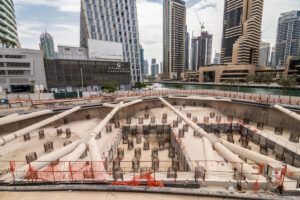
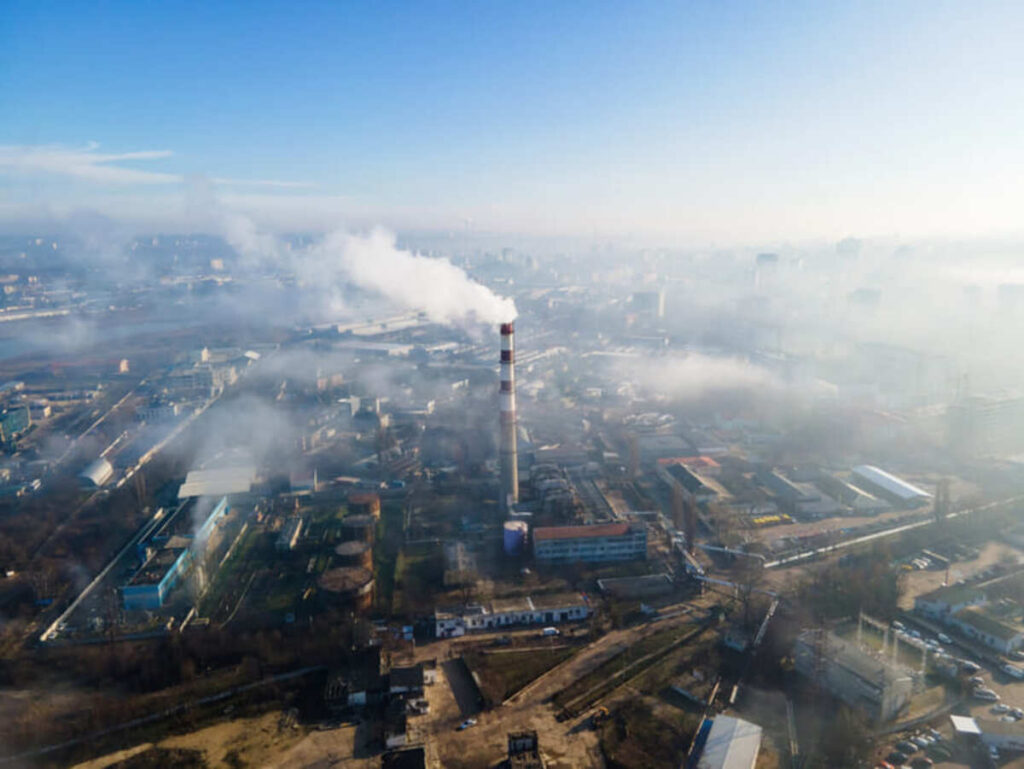
Air quality on construction sites has become a critical safety focus in 2025. General contractors (GCs) are now expected to actively monitor dust, fumes, and gases to protect workers and comply with regulations. Modern air-quality sensors make it possible to track invisible hazards in real time, ensuring that problems can be identified and corrected before they harm people or halt a project. For instance, a large contractor recently deployed a network of wireless environmental monitors across a multi-story renovation project.
Within weeks, the data revealed daily spikes in fine dust during late-afternoon concrete cutting. Armed with this insight, the team adjusted work schedules and improved dust suppression, reducing particulate levels by over 60%. Before using these sensors, managers had no idea how severe the dust peaks were – workers were being exposed to unhealthy air without visible warning. Thanks to real-time readings at 15-minute intervals, the site team was empowered to take swift action, improving both safety and productivity. However, it’s important to address air quality in a balanced way.
Simply sealing off a workspace to contain dust, for example, can inadvertently trap other pollutants or lead to stuffy, high-CO₂ conditions. A holistic approach ensures that solving one air quality issue doesn’t create new problems with comfort or health.
Table of Contents
7 Jobsite Air-Quality Sensors Every GC Needs in 2025 (PM2.5, TVOC, CO₂)
Below are 7 essential jobsite air-quality sensors every GC should utilize in 2025, along with practical explanations of why they matter. These devices cover the major construction pollutants – from fine particulate matter to toxic gases – and provide the data needed to maintain a safe, compliant, and healthy jobsite environment.
1. PM2.5 Particulate Matter Sensors
What they monitor: PM2.5 sensors detect fine dust and particulate matter 2.5 microns in diameter or smaller. These tiny particles are generated by many construction activities and can remain airborne for long periods. Unlike larger dust (such as PM10), PM2.5 particles are small enough to penetrate deep into workers’ lungs and even enter the bloodstream. Over time, exposure can lead to serious health issues like silicosis (from silica dust in concrete), chronic bronchitis, or heart and lung disease. In the short term, high particulate levels cause eye, nose, and throat irritation and reduce visibility on site.
Why they’re essential in 2025: Construction dust is heavily regulated and a major concern for both worker health and community air pollution. Many local authorities now require continuous dust monitoring around large sites, especially during demolition and earthwork. PM2.5 is a key metric because it represents the most harmful respirable dust. By 2025, affordable laser-based PM2.5 sensors allow GCs to continuously measure dust levels in real time.
These sensors instantly alert site managers when dust concentrations exceed safe limits so that mitigation measures (like water spraying, dust collectors, or adjusting work schedules) can kick in. Continuous particulate monitoring also helps ensure compliance with regulations and avoids fines or shutdowns due to excessive dust emissions. It provides a factual basis to demonstrate to regulators and the public that dust control plans are effective.
Practical example: Imagine cutting or grinding concrete indoors without proper ventilation – the fine dust can quickly accumulate to dangerous levels. A PM2.5 sensor will immediately register the spike in airborne particles, triggering alarms or notifications. The site supervisor can then pause work and improve ventilation or require dust masks, preventing workers from breathing concentrated dust.
Over the course of a project, these sensors might show trends (for example, dust levels peaking on dry, windy afternoons), helping the team proactively schedule dust-generating tasks when conditions are safer or implement additional controls. In summary, PM2.5 monitors are the frontline defense against the invisible hazards of fine dust on a jobsite.
Common construction activities that generate PM2.5 dust include:
-
Demolition and concrete cutting: Breaking apart materials releases clouds of fine silica and cement dust.
-
Grinding, sanding, and drilling: Surface preparation and finishing work can produce fine particulates from drywall, wood, or metal.
-
Earthmoving and excavation: Digging and moving soil, especially in dry conditions, creates dust that can travel beyond the site.
-
Vehicle and equipment traffic: Trucks driving on unpaved surfaces and machinery operation kick up dust into the air.
Monitoring these activities with PM2.5 sensors helps maintain safe dust levels and protect both workers and nearby communities.
Suggested article to read: Air Quality in Construction; 2024 Guide
2. Total Volatile Organic Compound (TVOC) Sensors
What they monitor: TVOC sensors measure the concentration of volatile organic compounds – a broad class of chemicals that easily evaporate into the air. On construction sites, VOCs come from sources like paints, thinners, solvents, adhesives, fuels, and even some building materials. Many VOCs have strong odors (for example, the “paint smell” or gasoline fumes) and can be hazardous to inhale.
Short-term exposure to elevated VOC levels often causes headaches, dizziness, nausea, and irritation of the eyes, nose, and throat. Long-term or repeated exposure to certain VOCs can damage the liver, kidneys, or central nervous system, and some (like benzene and formaldehyde) are known carcinogens. Unlike dust, VOC vapors are invisible – a space can accumulate high levels of VOCs from activities like spray painting without obvious warning signs.
Why they’re essential in 2025: As construction moves toward healthier and more sustainable practices, monitoring VOCs has become a priority. GCs are expected to keep indoor air quality in check during finishing phases when a lot of chemicals are used. A TVOC air-quality sensor uses technologies like photoionization detectors (PID) to sniff out a wide range of chemical vapors in real time, typically providing a total VOC reading in parts-per-million (ppm) or parts-per-billion.
In 2025, these sensors are more compact and affordable, allowing them to be deployed on jobsites or even worn by workers in high-exposure tasks (like floor coating or waterproofing application). They help ensure that ventilation is adequate and that workers aren’t overexposed to harmful fumes. If levels approach unsafe limits (many jurisdictions have occupational exposure limits for specific VOCs), work can be halted and the area ventilated. Another reason TVOC monitoring is crucial is that standard multi-gas monitors (the typical 4-gas detectors for safety) do not detect most VOCs at low levels.
For example, a lower explosive limit (LEL) sensor on a multi-gas meter will alarm only at very high concentrations when vapors risk igniting, but toxic effects occur at much lower concentrations. A dedicated VOC sensor fills that gap, warning of harmful exposure well before flammability is a concern.
Practical example: Consider a crew applying a solvent-based sealant in an enclosed room. Without a VOC sensor, they might not realize the ventilation is insufficient until someone feels lightheaded. A TVOC sensor, however, would continuously measure the vapor levels. If concentrations start approaching the safety threshold, the device alerts the team.
They could then stop work, increase fresh air supply with fans, or wear appropriate respirators before continuing. This prevents acute effects (like workers becoming dizzy or ill) and reduces long-term health risks. The data from VOC monitors can also confirm if engineering controls (like active ventilation or using less volatile products) are effective.
Examples of VOC sources on construction sites include:
-
Paints, varnishes, and coatings: These often contain solvents that release VOCs as they dry (e.g. toluene, xylene).
-
Adhesives, sealants, and epoxies: Glues and caulks can off-gas chemicals like formaldehyde or other organics during curing.
-
Fuel and exhaust fumes: Gasoline, diesel, and propane releases contain VOCs (such as benzene) especially during fueling or from engine exhaust.
-
Cleaning agents and degreasers: Solvents used for cleaning tools or surfaces (like acetone or mineral spirits) evaporate quickly into the air.
By monitoring total VOC levels, a GC can manage these emissions – for instance, scheduling high-VOC tasks for when fewer people are present, using local exhaust fans, or switching to low-VOC product alternatives to maintain healthier air on site.
3. CO₂ (Carbon Dioxide) Sensors
What they monitor: Carbon dioxide sensors measure the concentration of CO₂ gas in the air, typically in parts-per-million. CO₂ is a natural component of the atmosphere (around 420 ppm outdoors in 2025) and is produced by human breathing and any combustion process. On a construction site, CO₂ itself is not a toxic contaminant at typical levels, but it is a crucial indicator of ventilation quality.
When people work in an enclosed space (like a jobsite office trailer, an interior room under construction, or a confined area in a building), their exhaled CO₂ can accumulate if fresh air circulation is poor. Elevated indoor CO₂ (above about 1000 ppm) signals that the area is not getting enough ventilation. As CO₂ rises, workers often begin to experience drowsiness, reduced concentration, headaches, or a feeling of stuffiness.
Extremely high levels (above 5000 ppm, which is the 8-hour occupational exposure limit in many countries) can cause more severe symptoms like dizziness or elevated heart rate. Additionally, if CO₂ is building up, it means other pollutants (like VOCs or dust) might also be accumulating due to the same lack of airflow.
Why they’re essential in 2025: In recent years, there is heightened awareness of indoor air quality and its effect on health and productivity. Carbon dioxide has emerged as a simple but effective proxy for overall air freshness. A CO₂ air-quality sensor is now commonly used on jobsites whenever enclosed or temporary structures are occupied – such as site trailers, workshops, or interior construction areas sealed off with plastic sheeting. By continuously displaying CO₂ levels, these sensors help the site manager know when to increase ventilation (for example, by opening windows or using fans).
Keeping CO₂ in check not only prevents discomfort, it also ensures compliance with ventilation standards and helps maintain alertness and cognitive function among workers. Studies have shown that even moderately elevated CO₂ (around 1000–1500 ppm) can impair decision-making and concentration. GCs have started using CO₂ monitors as a quality control tool: for instance, during winter construction when heating systems run and windows are closed, CO₂ sensors verify that there’s enough fresh air intake to keep conditions safe. In the context of post-pandemic work environments, CO₂ monitoring is also used to reduce the risk of airborne disease transmission by indicating when air might be getting stale.
Practical example: Picture a team finishing drywall and painting inside a closed floor of a building under construction. As the work progresses, CO₂ levels on that floor gradually rise due to the crew’s breathing and portable propane heaters being used for warmth. A CO₂ sensor placed in the area might climb past 1200 ppm, indicating poor ventilation. Upon noticing this on the monitor, the site superintendent can take action: prop open some doors, bring in an outside air fan, or mandate a break so the space can air out. Shortly thereafter, CO₂ levels drop back into a comfortable range (under 800 ppm), and workers report feeling less fatigued.
In this way, the CO₂ sensor acts as a “canary in the coal mine” for ventilation issues – it provides an early warning before oxygen levels dip or before people start feeling unwell. By keeping CO₂ within recommended levels, the site maintains a healthier environment, which translates to more alert workers and fewer accidents or errors. In summary, CO₂ sensors help GCs ensure adequate fresh air, making indoor work areas safer and more pleasant. They are an inexpensive tool that can prevent hidden air quality problems associated with stuffy, poorly ventilated spaces.
4. CO (Carbon Monoxide) Sensors
What they monitor: Carbon monoxide sensors detect the presence of CO gas, a poisonous byproduct of combustion. Carbon monoxide is colorless, odorless, and tasteless – which makes it especially dangerous because people have no warning when it accumulates. On construction sites, CO is released by any gasoline, diesel, or propane-powered equipment. Common sources include generators, forklifts, air compressors, pumps, heaters, welding operations, and vehicles running in or near enclosed areas. Even small gas tools like concrete cutters or power trowels can produce CO.
When engines run indoors or in poorly ventilated spaces (for example, a generator in a basement, or a gas heater in a closed tent), CO can build up to toxic levels quickly. Inhaling carbon monoxide prevents blood from carrying oxygen properly, leading to symptoms like headache, dizziness, and nausea – and at high concentrations or prolonged exposure, it can cause unconsciousness and death. Importantly, CO does not cause irritation or immediate discomfort, so workers can be overcome by it with little warning.
Why they’re essential in 2025: Carbon monoxide has long been recognized as a serious hazard on jobsites, and strict standards exist to control exposure (for instance, OSHA in the US sets a permissible exposure limit of 50 ppm over 8 hours, and levels above 200 ppm are considered immediately dangerous to life). In 2025, every GC is expected to use CO sensors as part of their safety arsenal, especially during any indoor or underground construction work. Modern CO sensors are available as small, portable alarm devices that can be placed in work areas or worn by crew members. Many are integrated into multi-gas monitors used for confined space entry.
These devices continuously monitor CO levels and emit a loud alarm and flashing lights if CO crosses a set threshold (often 35 ppm for a warning, 200 ppm for urgent evacuation). Having CO air-quality sensors on site is critical because they provide the only reliable way to detect this stealth hazard. They can literally be life-saving – preventing accidents like workers being poisoned by exhaust from a pump operating in a trench.

Additionally, data-logging CO monitors allow GCs to document that exposure remained within safe limits, which can be important for insurance and regulatory compliance. With the push towards more data-driven safety in 2025, it’s common for contractors to network multiple CO sensors and view readings on a central dashboard, enabling quick response if any area of the site shows a dangerous buildup.
Practical example: Consider a scenario where a crew is using a gasoline-powered pressure washer inside an enclosed parking garage under construction. Without monitoring, CO from the exhaust could silently accumulate. However, a CO sensor placed near the work area starts to register rising CO levels, quickly hitting 50 ppm. The monitor’s alarm sounds, alerting the crew. They immediately stop the machine and ventilate the area – opening doors and using portable fans to blow in fresh air.
In a short time the CO levels drop back to safe readings and work can resume with caution (perhaps using longer exhaust hoses to vent outside, or switching to an electric machine). In this event, the CO sensor likely prevented serious harm. Every year, construction workers suffer carbon monoxide poisoning (and some fatal incidents occur) due to running engines in enclosed spaces – almost all of these incidents are preventable with proper CO monitoring and ventilation. By deploying CO sensors, a GC demonstrates due diligence for safety and greatly reduces the risk of one of the most acute and deadly air hazards on the jobsite.
5. NO₂ (Nitrogen Dioxide) Sensors
What they monitor: Nitrogen dioxide sensors detect NO₂ gas, a reddish-brown toxic gas produced by high-temperature combustion. The primary source of NO₂ on construction sites is diesel exhaust from heavy equipment and generators. Gasoline engines produce some NO₂ as well, though diesel engines (common in construction machinery) are known for higher NO₂ and particulate emissions. Activities like welding and cutting with a torch can also generate nitrogen oxides in the immediate vicinity.
Nitrogen dioxide has a sharp, biting odor and causes irritation to the eyes, nose, and respiratory tract even at low concentrations. Short-term exposure to elevated NO₂ can lead to coughing, breathing difficulty, and throat irritation. Over time, repeated exposure may contribute to reduced lung function or aggravate conditions like asthma or bronchitis. NO₂ is also a key contributor to smog formation; it reacts in the atmosphere to form ozone and secondary particulates. On a jobsite, NO₂ tends to be a concern in areas where machinery operates in semi-enclosed or poorly ventilated areas – for example, an excavation pit, an indoor renovation using diesel equipment, or near a site boundary in a congested urban area where exhaust can accumulate.
Why they’re essential in 2025: While nitrogen dioxide might not be as immediately lethal as carbon monoxide, it is a regulated pollutant and an important indicator of engine emissions on site. Regulatory agencies (like the EPA and OSHA) have set exposure limits for NO₂ that are quite low (often around 1 ppm for short-term exposure) because even a little can impact health. In 2025, with increased emphasis on reducing the environmental impact of construction, GCs are monitoring NO₂ both to protect workers and to be good neighbors to surrounding communities.
Air-quality sensors for NO₂ can be deployed around the site perimeter or in areas where diesel equipment is heavily used. These devices use electrochemical sensors to measure NO₂ in parts-per-million. If levels exceed guidelines, it’s a sign that more ventilation or emission controls are needed – or possibly that equipment should be shut off or modernized. For instance, some large construction projects now employ low-emission zones on-site: if NO₂ monitors show high readings, contractors might switch to electric equipment or impose idle restrictions.
Additionally, monitoring NO₂ helps ensure compliance with any environmental permit conditions (some city jurisdictions require continuous monitoring for NO₂ and dust during major builds). Overall, including NO₂ sensors in the site monitoring plan helps GCs manage the invisible fumes from engines that can otherwise go unnoticed until people start feeling ill.
Practical example: Picture an excavation site where a diesel excavator and dump trucks are operating at the bottom of a deep foundation pit. Workers down in the pit report a faint acrid smell and some mild coughing by mid-day. NO₂ sensors installed at the pit level validate the concern – readings show 2 ppm of NO₂ in the air, exceeding recommended limits. The site manager responds by increasing ventilation in the pit (setting up a large blower fan to push fresh air down) and instituting “engine-off” breaks (making sure vehicles do not idle longer than necessary). They also rotate workers to limit the time anyone spends in the bottom of the pit continuously.
Subsequent monitoring shows NO₂ levels dropping to safer levels (below 1 ppm). In this case, the sensors provided quantitative data that confirmed a developing hazard, allowing targeted mitigation. Without sensors, supervisors might have underestimated the exposure. Beyond the pit itself, the project also placed an NO₂ monitor at the fence line, ensuring that the exhaust from construction equipment isn’t negatively impacting the local air quality for neighbors. This kind of transparency and control is increasingly expected of GCs – and having the right air-quality sensors is key to meeting those expectations.
Major sources of NO₂ on construction sites include:
-
Diesel machinery exhaust: Backhoes, excavators, bulldozers, cranes, and generators running on diesel release NO₂, especially under heavy load.
-
Gas-powered equipment: Trucks, compressors, and forklifts (if propane or gas-fueled) contribute to NO₂ emissions, particularly if used indoors or idling in groups.
-
Welding and cutting operations: Certain welding processes and oxy-fuel cutting can generate nitrogen oxides as a byproduct of the high-temperature arc or flame reacting with air.
-
Nearby traffic or generators: If a jobsite is adjacent to a busy road or is using portable generators, those sources can elevate NO₂ levels in the work area or around the site.
Monitoring for NO₂ helps capture these emission sources and guides contractors in taking steps like using cleaner fuel, adding emission filters, or relocating equipment to reduce exposure.
6. O₂ (Oxygen Level) Sensors
What they monitor: Oxygen sensors measure the percentage of oxygen in the air. Normal ambient air contains about 20.9% oxygen. On a construction site, the oxygen level can drop in certain situations, creating a hazard of oxygen deficiency. Unlike other sensors on this list that detect harmful substances, an O₂ sensor is about ensuring there’s enough of the good air to breathe. When oxygen levels dip below safe thresholds (generally 19.5% O₂ is considered the minimum for safe breathing by occupational safety standards), workers face a serious risk of impaired judgment, rapid fatigue, fainting, and in extreme cases, asphyxiation. Oxygen can be displaced or consumed without obvious warning.
For example, if work is being done in a confined space like a tank, basement, or utility vault, any combustion (even just people breathing, or a gas-powered tool running) uses up oxygen. Additionally, certain chemical reactions or rusting metal can consume oxygen over time. Sometimes inert gases (like carbon dioxide, nitrogen, or argon used for welding) can build up and push out oxygen. An O₂ sensor typically displays the percentage of oxygen and alarms if it falls below a preset limit (often around 19.5%).
Why they’re essential in 2025: Construction often involves confined space entries and work in enclosed or semi-enclosed environments. Safety regulations worldwide mandate testing the atmosphere of a confined space for oxygen content (and other gases) before entry and continuously during work. Therefore, oxygen level sensors are a standard part of multi-gas detectors that every GC should have on hand. In 2025, these sensors are highly reliable and usually integrated with CO and other gas sensors in a single handheld unit.
They are crucial not just for confined spaces like tanks, manholes, or deep trenches, but also for any situation where an enclosed area has been sealed off for a long time (for instance, a sealed room under construction might have low oxygen if ventilation was blocked). Moreover, as construction technology evolves, there are more cases of using inert gas fire suppression systems or working in airtight energy-efficient buildings – all scenarios where oxygen monitoring is prudent. An O₂ air-quality sensor ensures that the atmosphere is life-sustaining for workers at all times.
It provides peace of mind that no matter what other gases or conditions are present, the basic oxygen level remains adequate. If an oxygen drop is detected, work must stop immediately and the area ventilated or evacuated, because humans cannot sense a lack of oxygen until they begin to lose function (by which time it could be too late).
Practical example: Imagine a plumbing crew is sent to work inside a large underground sewer vault to install new valves. Before anyone enters, a confined-space monitor with an oxygen sensor is lowered into the vault. The reading shows O₂ at 20.0%, which is slightly below normal but above the alarm threshold – likely due to some stagnant air. As a precaution, they ventilate the space with a blower for 15 minutes. Once inside, the crew wears a multi-gas monitor that continuously checks oxygen.
Partway through the job, the alarm suddenly sounds, and the O₂ reading has fallen to 19.0%. The crew immediately exits the vault. Upon investigation, they discover a gasoline-powered pump operating around the corner, consuming oxygen and producing CO2 in a connected section of the space. They shut off the pump and ventilate again until the oxygen returns to safe levels, then proceed with caution. This scenario shows why an oxygen sensor is non-negotiable for certain jobs – without that real-time warning, the workers could have succumbed to a life-threatening atmosphere.
Even in less extreme cases, like working overnight inside a sealed building under construction, oxygen sensors can verify that fresh air intake is sufficient. Every GC in 2025 ensures their teams have access to O₂ sensors whenever working in any environment where normal airflow is restricted. It’s a simple step that prevents tragic accidents and ensures everyone goes home safe.
Common situations requiring O₂ monitoring on jobsites include:
-
Confined spaces: Manholes, sewer vaults, storage tanks, crawl spaces, and silos – these often have limited airflow and must be tested for oxygen levels before entry.
-
Basements and deep excavations: Underground areas or foundation pits can accumulate gases like CO₂ or methane that displace oxygen, especially if they are stagnant with poor ventilation.
-
Enclosed rooms with combustion equipment: If portable heaters, generators, or gas tools are used in an enclosed area, they can consume oxygen rapidly. An O₂ sensor will catch any depletion in real time.
-
Areas with inert gases or chemical use: Welding with shielding gases, using dry ice for concrete work (CO₂ vapor), or fire suppression systems can all lower oxygen levels in a localized area.
Using oxygen sensors in these scenarios is now standard practice. It ensures that the atmosphere is breathable and alerts the team to ventilate or evacuate if oxygen starts to drop.
7. Temperature and Humidity Sensors
What they monitor: Temperature and relative humidity sensors measure the thermal conditions and moisture content of the air. While these are not pollutants, they are important environmental parameters that affect air quality and worker comfort. Temperature sensors will show the heat level (in degrees Celsius or Fahrenheit), and humidity sensors indicate the percentage of moisture saturation in the air. On a construction site, temperature and humidity can vary widely – for instance, an indoor space can become very hot and humid if it’s closed off during summer, or extremely cold and dry in winter with heating.
These factors influence how pollutants behave: high temperatures can increase the emission rate of VOCs (paints and solvents evaporate faster) and can also worsen the formation of ground-level ozone; very low humidity means dust stays airborne longer (dry air = more static dust), whereas high humidity might cause dust to settle but can lead to mold growth if materials stay damp. Furthermore, extreme temperatures or humidity levels can directly cause health issues (heat stress, dehydration, heat stroke in hot conditions; hypothermia risk in cold; discomfort and respiratory irritation if air is too dry or too moist).
Why they’re essential in 2025: Modern air-quality monitoring on jobsites tends to be holistic – GCs are not only tracking pollutants, but also general indoor environmental quality. Temperature and humidity sensors often come integrated in multi-parameter air quality stations. In 2025, there is also an increased emphasis on keeping workers comfortable to maintain productivity. By monitoring temperature and humidity, site managers can take steps to create a more hospitable work environment.
For example, if an interior work zone is too hot and humid, more ventilation or portable AC units might be used to reduce heat stress and also improve air quality (since cooler, less humid air often holds fewer pollutants). In winter, humidity sensors can warn if the air is overly dry from heating, which can cause scratchy throats or static electricity issues – a humidifier might then be used to raise humidity to a moderate level. Additionally, many building materials have optimal temperature/humidity ranges for proper curing or installation; monitoring these levels ensures quality work and prevents conditions that could cause indoor air problems later (like mold growth in a damp environment).
From an air quality standpoint, temperature and humidity data also help in interpreting the readings of other sensors. For instance, some low-cost dust sensors or VOC sensors are affected by humidity; having that data allows for correction or understanding of false spikes. Moreover, high humidity combined with certain dust (like concrete dust) can make the dust more irritating to lungs, so knowing both values gives a more complete picture of air conditions.
Practical example: On a summer afternoon, the temperature inside a temporary enclosed work tent on site climbs to 35°C (95°F) with 85% humidity – very uncomfortable and potentially dangerous for laborers pouring concrete. The environment sensor inside flags these values. In response, the GC can mandate additional breaks and hydration for the crew and set up extra ventilation fans or portable coolers to bring conditions back to a safer range. In another case, while monitoring a high-end interior renovation, the GC notices that whenever humidity falls below 30%, workers start complaining of nose and throat irritation and dust sensors show more airborne particles (because dry conditions allow more dust to become airborne).
By adding a bit of humidity (through a misting fan or adjusting the HVAC settings), dust settles more readily and comfort improves. These scenarios show that temperature and humidity sensors, though basic, play a supporting role for air quality management. They ensure that control measures for pollutants are applied under the right environmental conditions and that workers are not suffering from the environment itself. In 2025, with IoT-based monitoring systems, it’s common to see a dashboard where a GC can view not only pollutant levels like PM2.5 or CO₂, but also the temperature and humidity for each area of the site.
This comprehensive approach leads to better decision-making – for instance, delaying a task that generates a lot of VOCs to a cooler day, because sensors predict that high afternoon heat could make fumes worse. In summary, temperature and humidity sensors contribute to a complete air-quality monitoring setup by contextualizing pollutant readings and safeguarding worker well-being through climate control.
FAQs
How do air-quality sensors improve safety on construction sites?
Air-quality sensors improve construction site safety by providing real-time monitoring of invisible hazards. They detect dangerous levels of dust, gases, or lack of oxygen that workers might not notice until symptoms occur. For example, sensors can immediately alert you to high carbon monoxide from equipment exhaust or elevated PM2.5 dust during demolition. By catching these issues early, site managers can pause work and fix the problem (ventilating the area, wearing protective gear, etc.) before anyone gets sick or injured. In short, these sensors act as an early warning system, allowing proactive measures to maintain a safe breathing environment at all times.
What is a TVOC sensor and why is it important for a jobsite?
A TVOC sensor is a device that measures the total concentration of volatile organic compounds (VOCs) in the air. VOCs are chemicals that evaporate from things like paints, solvents, fuels, and adhesives commonly used on jobsites. A TVOC sensor is important because it helps identify when these potentially harmful fumes are building up. Many VOCs can cause headaches, dizziness, or long-term health issues. On a jobsite, a TVOC sensor will warn you if, say, paint or fuel vapors are too high so you can increase ventilation or wear respirators. It essentially ensures that chemical exposure stays within safe limits and that the indoor air quality remains healthy during construction activities that release VOCs.
Which air-quality monitors are most important for construction compliance?
Key air-quality monitors for construction compliance typically include dust monitors (for PM10 and PM2.5 particulate matter) and gas monitors for combustion gases. Environmental regulations often require monitoring of dust levels around construction sites to control particulate pollution. Similarly, workplace safety rules mandate monitoring for toxic gases like carbon monoxide (from machinery exhaust) and oxygen levels in confined spaces.
Monitors for VOCs and nitrogen dioxide are also increasingly important as regulations tighten around chemical emissions and diesel exhaust. In practice, most GCs use a combination of fixed dust monitoring stations and portable multi-gas detectors to stay compliant with air quality standards and occupational exposure limits on the jobsite.
Is it true that high CO₂ levels can affect workers’ performance on site?
Yes, it’s true. High CO₂ levels are a sign of poor ventilation and can negatively affect workers’ cognitive performance and comfort. When carbon dioxide builds up in an enclosed work area (for example, above 1000 ppm), people often start to feel drowsy, less focused, or may develop mild headaches. Studies have shown that even moderately elevated CO₂ can impair decision-making and concentration.
On a construction site, this could mean workers become less alert, which is a safety concern. That’s why monitoring CO₂ is useful – it ensures fresh air supply is adequate. Keeping CO₂ at a low level (close to typical outdoor levels) helps workers stay more attentive, comfortable, and productive, especially during long tasks in indoor or confined spaces.
Conclusion
In 2025, general contractors have access to an array of advanced air-quality sensors that were unheard of just a decade ago. Employing these seven types of sensors – for dust (PM2.5), VOCs, CO₂, CO, NO₂, O₂, and even basic climate conditions – has become standard practice on conscientious jobsites. Together, they provide a 24/7 watchdog over the invisible aspects of the work environment. By continuously measuring and logging air quality parameters, GCs can proactively identify hazards, comply with safety and environmental regulations, and make data-driven decisions to improve conditions.
The result is safer, healthier workers, fewer incidents or disruptions, and evidence of due diligence that can be shared with clients and authorities. Each sensor plays a unique role: some prevent acute tragedies (like CO and O₂ monitors), others guard against chronic health risks (like dust and VOC monitors), and others ensure overall comfort and productivity (CO₂ and climate sensors). The investment in these technologies pays off through reduced health issues, improved morale, and avoidance of regulatory penalties.
As construction projects continue to push boundaries in complexity and as we place greater value on sustainability and worker health, air-quality monitoring will only grow more important. GCs who integrate these sensors into their daily operations are building not just structures, but a culture of safety and responsibility. In the end, maintaining good air quality is as crucial as structural integrity – it is part of the foundation of a successful project.
Resources:
National Institute for Occupational Safety and Health (NIOSH). (2019). NIOSH Pocket Guide to Chemical Hazards (Carbon Monoxide, Nitrogen Dioxide entries).
Industrial Scientific Corporation. (2023). Q&A: Why It’s Important to Monitor VOCs on Worksites.
Lawrence Berkeley National Laboratory. (2012). Elevated Indoor Carbon Dioxide Impairs Decision-Making Performance.
Visual Crossing Corporation. (2025). Air Quality Monitoring for Construction Sites: Protecting Workers and Meeting Regulations.
For all the pictures: Freepik
Suggested article for reading:
7 Smart Leak-Detection Systems Construction Sites Are Adopting in 2025
5 Embedded Moisture Sensors That Prevent Concrete Failures — Real Use Cases
6 Fiber-Optic Monitoring Techniques to Detect Hidden Water Intrusion
5 Ultrasonic Leak Detectors Making Big Waves in Construction Safety
4 AI-Powered Flow Sensors That Turn Drips into Data-Driven Alerts