
Water leaks and unnoticed drips can quietly cause extensive damage and waste valuable resources. Traditional flow meters or manual checks often fail to catch the smallest leaks until it’s too late. AI-Powered Flow Sensors change this scenario by continuously monitoring fluid flow and using intelligent algorithms to detect anomalies in real time. These smart sensors learn normal usage patterns and instantly flag even minor irregularities as data-driven alerts. In practice, that means a tiny drip hidden in a wall or a slight pressure drop in a pipeline can trigger a timely warning – or even an automatic shutoff – before it escalates into a flood or significant loss.
Table of Contents
4 AI-Powered Flow Sensors That Turn Drips into Data-Driven Alerts
1. AI-Powered Flow Sensors for Home Leak Protection
In homes, a burst pipe or leaking appliance can cause severe damage and high water bills if not caught quickly. AI-powered flow sensors designed for residential use attach to the main water line and constantly monitor water flow and pressure. Machine learning algorithms learn the typical usage patterns of the household. When they detect abnormal activity – for example, water running continuously when no one is home or everyone is asleep – the system immediately sends an alert and can even shut off the water automatically to prevent damage.
Advanced smart water monitors run daily self-tests to catch tiny leaks (even as small as a drip per minute) that would normally go unnoticed. Many homeowners discover hidden plumbing issues within days of installing these devices, thanks to AI’s ability to spot subtle changes. By combining real-time monitoring with adaptive learning, an AI-powered flow sensor ensures that even the smallest drips trigger a prompt, preventive action.
Key Features and Benefits for Homes
-
24/7 Intelligent Monitoring: Continuously tracks water flow and pressure, using AI to filter out normal usage and spot anomalies in real time.
-
Immediate Leak Alerts: The instant an unusual flow pattern is detected – for instance, water flowing when it shouldn’t – the system notifies the homeowner via app, text, or email.
-
Automatic Water Shutoff: Many smart home sensors connect to a motorized shutoff valve. If a major leak or pipe burst is identified, the device can autonomously close the main water line to stop flooding immediately.
-
Preventive Maintenance: By catching small leaks early, these systems help homeowners fix issues before they grow. This prevents water damage and also conserves water to reduce bills.
2. AI-Powered Flow Sensors in Commercial Buildings
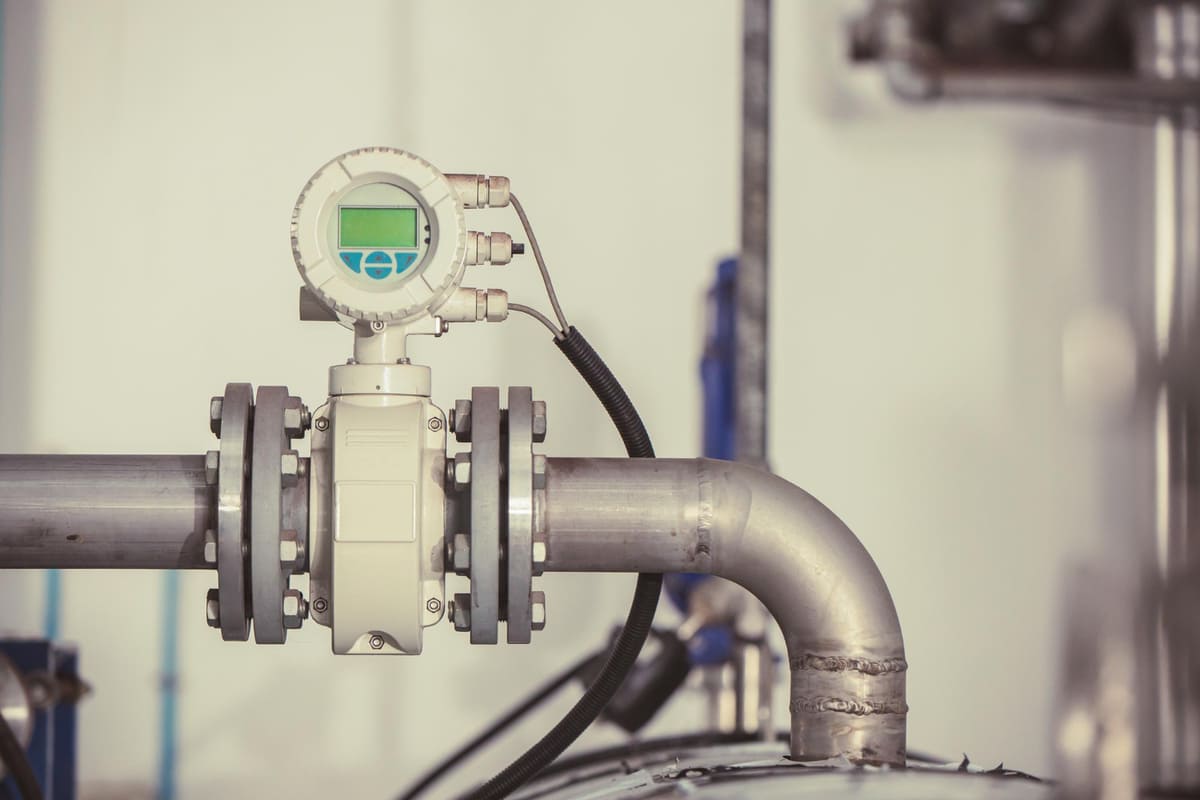
Large commercial buildings and campuses have complex water systems, and a minor leak can cause major disruption if it goes undetected. AI-powered flow sensor networks give facility managers a continuous, granular view of water usage. Multiple IoT-connected flow meters placed throughout a building feed data into an AI platform that learns normal consumption patterns for each zone and time of day.
If an anomaly occurs – say a pipe starts leaking on an empty floor at night – the system detects the unusual flow and immediately alerts maintenance staff. For critical failures like a major burst, it can even trigger automatic valves to isolate the problem area. By catching leaks early and analyzing usage trends, these systems help facilities avoid water damage, reduce waste, and optimize water consumption. In fact, some buildings have saved millions of gallons of water by using AI to pinpoint previously invisible leaks and inefficiencies.
Key Advantages in Commercial Settings
-
Early Leak Detection: AI monitoring can spot a hidden leak behind walls or in mechanical rooms long before it becomes obvious, preventing costly damage and downtime.
-
Centralized Dashboard: All building water data is aggregated into one view, giving managers real-time insight into different floors or departments. Any anomaly is highlighted for quick action.
-
Water Savings and Sustainability: Stopping leaks and reducing excess use saves on utility costs. Data insights often reveal opportunities to conserve water (for example, adjusting irrigation or cooling systems), helping meet sustainability goals.
-
Automatic Mitigation: Smart flow systems tie into building controls. If a serious pipe failure is detected, the system can automatically shut off water in that section and sound alarms, limiting damage until repairs occur.
Suggested article to read: Building Automation System (BAS): Ultimate Guide for 2024
3. AI-Powered Flow Sensors in Water Utilities and Infrastructure
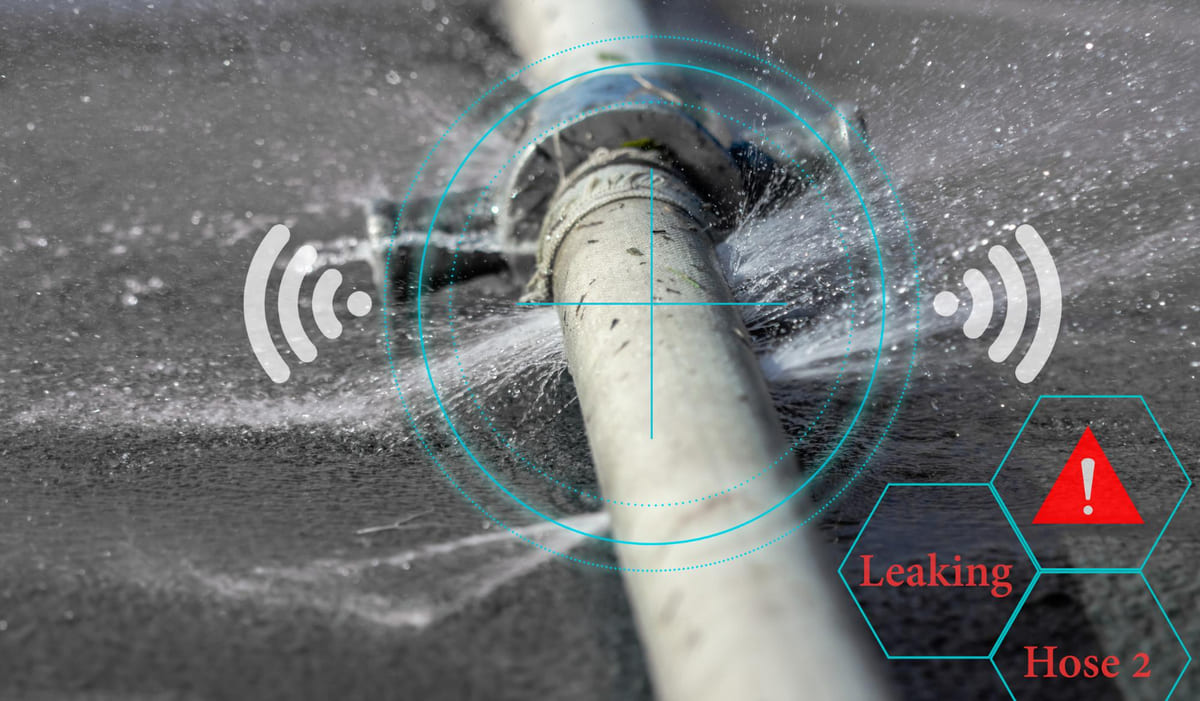
Municipal water utilities lose enormous amounts of water to hidden leaks in aging pipelines. AI-powered flow sensing offers a smarter way to find and fix these leaks. Utilities deploy IoT sensors – such as pressure monitors and acoustic detectors – along the network. The AI system learns the normal pressure and flow patterns for each pipe section. When it detects a deviation – for example, a subtle pressure drop or the telltale sound of water escaping – it flags a potential leak and pinpoints the location.
This early warning enables repair crews to intervene long before a small leak grows into a major break. For instance, an AI acoustic sensor might identify a minor leak on an underground main that would have gone unnoticed for months. By fixing it early, the utility saves water and avoids a larger pipe failure later on. Overall, using AI to continuously monitor distribution systems can dramatically reduce water loss. Utilities report these systems can cut non-revenue water by up to 50% by catching leaks sooner.
Key Impacts for Water Utilities
-
Reduced Water Loss: Continuous smart monitoring means more leaks are found and fixed quickly. This directly translates to millions of gallons of water saved over time.
-
Precise Leak Localization: Instead of searching miles of pipe for a leak, crews get exact location alerts. This precision reduces labor and repair costs and speeds up the fix.
-
Prioritized Repairs: AI estimates the size and severity of leaks, helping utilities prioritize which leaks to address first for maximum water savings and safety.
-
Efficient Maintenance: By integrating with network data, the system optimizes maintenance schedules. Rather than waiting for catastrophic failures, utilities perform targeted repairs based on data-driven alerts.
4. AI-Powered Flow Sensors for Smart Irrigation
Landscape irrigation systems – from city parks to corporate campuses – often run at night, making leaks hard to spot. AI-powered flow sensors in irrigation controllers ensure any abnormal flow is noticed and addressed immediately. These systems measure the water flow in each irrigation zone and learn what normal usage looks like. If a sprinkler line breaks and flow surges, or if a valve fails and flow drops to zero, the AI controller recognizes the anomaly. It will then shut off that zone (or the whole system) and send an alert to maintenance staff.
This rapid response prevents thousands of gallons from being wasted and protects the landscape from damage. In daily operation, the AI also optimizes watering schedules using weather forecasts and soil moisture data, so plants get the right amount of water without excess. The result is healthier landscapes with significantly less water use. Upgrading to smart irrigation with AI often yields water savings often above 30% by eliminating overwatering and catching leaks in real time.
Key Outcomes for Smart Irrigation
-
Water Conservation: Data-driven control prevents overwatering. The system adjusts watering to weather conditions and stops any unexpected excess flow, saving huge amounts of water.
-
Automatic Leak Shutdown: When a pipe break or leak is detected in an irrigation zone, the controller immediately isolates that zone or shuts off the system to halt water waste until repairs.
-
Instant Alerts: Groundskeepers receive immediate notifications pinpointing which zone has a problem and what type of issue (high flow, no flow, etc.), enabling a quick targeted response.
-
Protects Landscape Health: By monitoring flow along with environmental data, the system ensures grass and plants get enough water but not too much. Leaks or failures are fixed fast, so the landscape isn’t harmed by flooding or drought from undetected issues.

FAQs
How does an AI-powered flow sensor work?
An AI-powered flow sensor combines a physical flow meter (to measure water or other fluid movement) with intelligent software. The sensor continuously measures flow (and sometimes pressure or sound) and uses AI algorithms to learn what “normal” looks like. If it senses an abnormal pattern – say a sudden surge or a persistent small flow when there should be none – it interprets that as a potential leak or issue.
The system then sends an alert to the user (through a smartphone app or alarm), and it may also trigger automatic actions like closing a valve. In essence, the AI enables the sensor to not just record data, but to understand the flow behavior and react in real time to any irregularities.
What is the difference between a regular flow sensor and an AI-powered flow sensor?
A regular flow sensor simply measures the amount of fluid passing through and might trigger an alarm if a preset threshold is exceeded. It doesn’t adapt to changing conditions. An AI-powered flow sensor, by contrast, continuously learns the system’s behavior. This means it can tell apart normal variations from real problems. For example, a standard sensor might alarm if flow exceeds a set rate at any time.
An AI sensor knows whether that rate is normal for the given moment (like during peak use) or not (like in the middle of the night). The AI-powered sensor reduces false alarms and catches subtle leaks that a basic sensor would miss because it provides context and pattern recognition rather than just raw numbers.
Which industries or applications benefit most from AI-powered flow sensors?
Any field that relies on fluid flow can benefit. In homes and commercial buildings, AI flow sensors prevent water damage and save water by detecting plumbing leaks early. In manufacturing and industrial plants, they monitor processes (like coolant flow or chemical feed lines) to spot equipment malfunctions or leaks, helping avoid downtime. City water utilities use AI sensors to find leaks in water mains and distribution networks, conserving water and energy.
Agriculture and irrigation systems employ them to optimize watering and quickly find broken pipes or stuck valves in fields. Even oil and gas pipelines use AI-driven leak detection to catch spills or pressure drops. Essentially, wherever liquids or gases flow through pipes, AI-powered sensors provide early warnings to improve safety and reliability.
Is it true that an AI-powered flow sensor can automatically shut off water when a leak is detected?
Yes. Many AI-powered flow sensor systems can automatically shut off the water when a serious leak is detected. In a smart home setup, for example, the flow sensor may be connected to an electronic shutoff valve on the main water line. If the AI determines a pipe has burst or a major leak is in progress, it will close the valve to stop the water, preventing extensive flooding automatically.
Similarly, in a commercial or industrial environment, the system can be configured to isolate a section of plumbing by closing valves if a big leak is identified. Users can usually adjust settings to avoid false triggers, so minor fluctuations don’t cause unnecessary shutoff. Overall, this instant reaction is a key advantage: it limits damage and water loss by responding faster than any human could.
Conclusion
Across homes, businesses, cities, and farms, AI-powered flow sensors are transforming how we manage water and other fluids. These smart systems provide a proactive approach to leak detection and flow control: learning normal patterns, watching for the slightest deviations, and responding instantly with alerts or automatic actions. The four scenarios discussed – residential leak protection, commercial building water management, municipal pipeline monitoring, and intelligent irrigation – all share the benefits of early detection and intelligent response. The result is safer facilities, lower costs, and significant conservation of resources. As this technology becomes more widespread, we can expect more resilient water infrastructure. In an era where every drop counts, turning drips into data-driven alerts ensures that no leak goes unnoticed.
Resources:
Magnificent Plumbing. (2025). How AI and Smart Sensors Are Changing Leak Detection in 2025.
Empire State Realty Trust. (2024). Empire State Building and WINT Water Intelligence – Preventing water damage and improving sustainability.
Microsoft News. (2024). AI tool uses sound to pinpoint leaky pipes, saving precious drinking water.
FacilitiesNet. (2025). Water-saving Benefits of Smart Irrigation Systems.
Moen Inc. (n.d.). Meet Flo Smart Water Monitor and Shutoff – Product Information.
Siemens AG. (2025). AI-Based Leak Detection – Reducing Non-Revenue Water with AI.
For all the pictures: Freepik
Suggested article for reading:
4 Emerging Technologies for Curing Control in Concrete Structures
Top 8 Benefits of Smart Concrete Monitoring for Quality and Sustainability
3 Case Studies Where Smart Sensor Monitoring Accelerated Concrete Projects
5 Use Cases of IoT‑Enabled Concrete Monitoring in Commercial Construction
How Concrete Monitoring Is Building Smarter Cities: 8 Real-World Examples