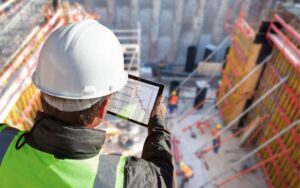

The construction tender process has long been dominated by manual workflows, paper documents, and siloed communication. Today, digital transformation is reshaping construction tender procedures across the industry. New software tools, data analytics, and online platforms are speeding up bid preparation, improving cost estimates, and increasing transparency. Contractors and project managers worldwide are adopting cloud portals, artificial intelligence (AI), and Building Information Modeling (BIM) to respond faster and more accurately to new projects. These changes are particularly relevant for large infrastructure projects, where early intelligence and precise bidding can make or break profitability.
Table of Contents
7 Digital Transformation Reshaping Construction Tenders Right Now
Cloud-Based E-Tendering and Management Platforms
Modern e-tendering platforms and cloud-based management systems provide a centralized hub for all aspects of the bidding process. Instead of juggling emails and file folders, teams can upload bid documents, track revisions, and submit responses directly through secure portals. Key features include:
-
Centralized Document Repository: All tender documents (specifications, drawings, contracts, addenda) are stored in one online location with version control. This prevents lost files and ensures everyone is working from the latest version.
-
Automated Notifications: Team members receive real-time alerts when new tender documents are published or when deadlines change. This ensures no opportunity is missed.
-
Role-Based Access: Different stakeholders (estimators, project managers, compliance officers) have controlled access to relevant documents, which improves security and reduces clutter.
By replacing paper-based workflows with e-tender portals, companies can cut out faxing and printing costs. A typical infrastructure contractor might see printing and postage costs drop to zero and bid assembly errors nearly eliminated. For instance, a medium-sized general contractor found that adopting a cloud tender portal improved its bid submission speed by allowing two separate teams to work concurrently on different sections of the same proposal.

AI and Data-Driven Tender Analysis
Artificial intelligence (AI) and data analytics are making tendering smarter. Machine learning models can scan vast databases of public and private project listings to identify relevant opportunities faster than any human. These systems use filters (by project type, location, budget, etc.) to highlight high-quality leads that match a company’s expertise. Some benefits include:
-
Opportunity Intelligence: AI-driven tools constantly search and filter new projects. For example, using predefined criteria, a machine learning system might flag only those tenders within a certain region and value range, boosting lead quality.
-
Predictive Insights: By analyzing historical bid data, AI can suggest the likelihood of winning a particular tender or estimate costs more accurately. Firms can forecast industry trends and plan resources for upcoming bid cycles.
-
Competitor Analysis: Data tools can track which companies are bidding on what projects and how they price their bids. Contractors gain insights into competitor strategies and can adjust their bids accordingly.
In practice, a large engineering firm using AI-based tender scanning might discover dozens of new project leads each week, whereas previously they would only find a handful manually. AI also reduces routine tasks: it can auto-fill parts of the proposal, highlight missing documents, or check that all compliance criteria are met. This allows estimating teams to focus on value-added activities like refining technical approaches rather than administrative searches.
Real-Time Project Intelligence and Alerts
Staying ahead in tendering often depends on acting quickly when opportunities arise. Real-time project intelligence tools use big data and IoT feeds to notify contractors about new projects as soon as they enter planning phases. Benefits include:
-
Early Notifications: Smart alert systems send email or app alerts the moment a project tender is posted. Early awareness gives a first-mover advantage, as teams can engage with clients or gather more information before competition heats up.
-
Project Tracking Dashboards: Dynamic dashboards display pipeline status for multiple regions or sectors. Managers can see which projects are new, ongoing, or closing soon at a glance.
-
Market Trend Monitoring: Aggregated data shows emerging trends (e.g., rising demand for a type of infrastructure or location) so companies can shift focus to growing segments.
For example, an international contractor subscribing to a global tender alerts platform was notified of a major bridge project in planning three months before RFP release. The team used that time to gather resources and even propose some design ideas to the client, improving their proposal’s competitiveness. Such proactive engagement is only possible when project data is shared in real time.
Suggested article to read: Scan to BIM Software; Ultimate Guide for Point Cloud to BIM Modelling
Automated Compliance and Document Management
Public and private tender processes often come with strict compliance rules. Digital tools help ensure every requirement is met:
-
Automated Checklists: Modern tender platforms provide pre-built checklists for common compliance items (e.g., safety certifications, legal declarations). Before submitting, the system can flag missing items.
-
Template Libraries: Standardized templates for contract documents, cover letters, and technical sections reduce the chance of formatting errors. For public tenders, using a government-approved template can be mandatory.

-
Audit Trails: Every action (who opened a document, who approved a section) is logged in the system. In the event of a dispute, these logs prove that the bid was assembled correctly.
By automating compliance, firms avoid the costly errors of missing a required form or misplacing an appendix. One infrastructure project manager, after switching to a digital bidding system, reported that their team had a near-perfect compliance record on the first try, whereas with paper submissions they had often been asked to resubmit due to small omissions.
BIM and 3D Visualization in Tendering
Building Information Modeling (BIM) and other 3D visualization tools are extending into the tendering phase. Instead of reviewing flat plans, bidders can explore a digital twin of the project to understand scope and constraints:
-
Quantity Takeoff Automation: BIM models allow automatic calculation of materials and components. Estimators use plugins that count quantities directly from a 3D model, cutting the manual takeoff work significantly.
-
Visual Risk Analysis: Teams can “walk through” the planned structure virtually to identify potential clashes or hard-to-access areas. Knowing these risks upfront leads to more accurate bids.
-
Client Visualization: Presenting a simple 3D model to a client as part of the bid can differentiate an offer and show commitment to modern practice.
For example, on a recent highway expansion tender, one contractor used a 3D model to demonstrate how a proposed interchange would fit into the terrain. This level of detail, available early in the tender, gave the contractor’s bid higher credibility. Estimates from BIM integration are also more consistent: a case study found up to a 20% reduction in quantity errors when using BIM-based takeoffs, meaning less chance of costly adjustments later.
Cloud Collaboration and Mobile Tools
Tender preparation often involves multiple stakeholders, some of whom may be offsite or remote. Cloud collaboration tools and mobile apps keep everyone connected:
-
Shared Workspaces: Platforms like Microsoft Teams or Slack allow instant messaging, video calls, and shared documents all linked to the tender project. Task lists and calendars keep track of who is doing what.
-
Mobile Access: Supervisors and field engineers can review tender documents on tablets or smartphones, even on job sites. Last-minute changes or clarifications can be communicated instantly to the office.
-
Version Control: The latest versions of drawings or scope documents are available to all team members in real time. There is no confusion over email attachments or outdated PDFs.
In practice, an estimator in the office might have questions answered immediately by a field engineer who views the plans on a tablet next to the project site. This agility speeds up response cycles and ensures the bid reflects site conditions. Additionally, cloud-based calendars and task assignments help ensure that every checklist item is completed on schedule and by the right person.
Blockchain and Transparent Tender Processes
Blockchain is an emerging technology in construction procurement that promises tamper-proof records and trust. Its use in tendering is still experimental but growing:
-
Immutable Audit Trail: By writing each tender submission event to a blockchain ledger, the process becomes fully transparent. Stakeholders can verify the time and content of each bid submission without fear of alteration.
-
Smart Contracts: Code-based contracts could automatically enforce deadlines or evaluate whether all criteria are met before awarding a contract. This could reduce manual verification work.

-
Enhanced Visibility: In some pilot projects, governments have tested blockchain to track every step of awarding a tender, from announcement to contract award. This can reduce fraud and ensure fairness.
For example, Colombia’s public procurement portal trialled a blockchain layer for contract award logs, making its audit trail publicly viewable. Similarly, Ukraine’s ProZorro e-procurement system explored blockchain to increase transparency. However, implementation costs and technical challenges mean blockchain is still supplementary rather than mainstream. Of course, even with blockchain in place, human expertise in bid evaluation remains essential to manage quality and client relationships.
FAQs
How does digital transformation improve efficiency in construction tendering?
Digital transformation automates manual bid tasks and paperwork. E-tender platforms, AI analytics, and cloud tools help teams find opportunities faster, ensure documents are complete, and submit bids more quickly and accurately.
What technologies are key for modern construction tender management?
Key technologies include e-tender platforms, cloud document management systems, AI-driven analytics, and Building Information Modeling (BIM). Collaboration software and mobile tools also keep teams aligned and informed throughout the bid process.
Which data-driven tools help contractors win tenders?
AI-powered opportunity scanners and real-time alert systems help contractors identify high-value projects early. Analytics tools can forecast demand and analyze competitor bidding, while integrated BIM-based estimators provide precise cost figures. These tools let teams focus on the most promising opportunities and craft competitive proposals.
Is it true that blockchain can increase transparency in public tenders?
Yes. Blockchain can enhance transparency by creating a tamper-proof record of each step in the tendering process. However, adoption is still limited, so it usually complements rather than replaces existing e-procurement systems.
Conclusion
Digital transformation is rapidly changing how construction tenders are managed. By adopting cloud platforms, AI analytics, real-time data feeds, and automation, contractors can submit more accurate, competitive bids with less effort. Building Information Modeling and collaboration tools improve cost estimates and team coordination. Emerging technologies like blockchain add transparency and trust to the process. Together, these innovations allow project teams to focus on strategy and client relationships instead of routine paperwork.
Resources:
Building Radar. (2025). How Digital Tools Are Transforming Tender Management for Contractors.
Building Radar. (2025). The Future of Building Tenders in an AI-Driven World.
ProQSmart. (2025). Construction Procurement 2.0: Why E-Tendering is the Future of Project Bidding.
Quantity Surveying Coach. (2025). How Digital Tools are Transforming Construction Tendering.
Tender Consultants. (2025). Blockchain for Tender Transparency: Myth or Practical Tool?.
For all the pictures: Freepik
Suggested article for reading:
4 Field-to-Office Workflows Transformed by Modern Construction Management Software
11 Quick Compliance Checks for Public Construction Tenders (Avoid Disqualification)
6 Construction Tender AI Tools That Speed Up Your Responses (Save Time, Improve Accuracy)
10 High-Value Public Construction Tenders to Watch This Quarter (Opportunities & How to Bid)
4 Steps to Build a Tendering Playbook for SMEs (Win More Construction Tenders Without a Bid Team)