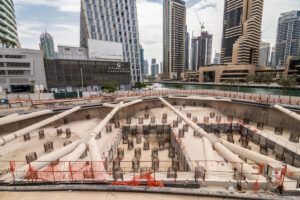

Submitting a bid for Public Construction Tenders requires meticulous attention to detail. A single missing document or overlooked requirement can disqualify a proposal instantly. In fact, one construction firm lost multiple bids due to missing paperwork – implementing a simple compliance checklist later boosted their win rate by 40%. To avoid that fate, contractors can follow a structured checklist. Below are 11 key compliance checks to run through before final submission. Each check is illustrated with practical steps or examples for clarity.
Table of Contents
11 Quick Compliance Checks for Public Construction Tenders
1. Confirm Company Eligibility and Registration
Begin by ensuring your company is legally qualified to bid. Check that your business license or contractor registration is current and covers the work category. For example, many public projects require a specific construction license class (e.g. civil works, building, electrical) or minimum registration status. Also verify that the firm is not barred or blacklisted by the issuing agency or local authorities. Common items to verify:
-
Business Registration: Valid corporate registration or trade license for your jurisdiction.
-
Special Authorizations: Any industry-specific permits (contractor classification, professional licenses).
-
Debarment List: Confirm your company and key personnel are not on any procurement exclusion list.
A bid from an ineligible bidder is automatically rejected. In practice, public procurement rules often treat any missing registration or expired license as fatal non-compliance. Don’t wait until review time – reprint or renew licenses well before the deadline if needed. For example, an updated contractor license in hand is worthless if it’s received a day after submission closes.

2. Check Permits, Certificates, and Tax Clearances
Public tenders typically require various official certificates. Missing even one can disqualify a bid. Common required documents include tax clearance certificates, social security or labour compliance certificates, and insurance policies. For example, many jurisdictions mandate a valid tax clearance (or GST/VAT registration) be submitted with the bid. If your firm’s tax certificate expired last month, renew it immediately. Also confirm any required insurance (general liability, workers’ compensation, vehicle, etc.) is active. Key items:
-
Tax/Financial Clearances: Up-to-date tax clearance or GST/VAT certificate as specified.
-
Insurance Policies: General liability, professional liability or workers’ comp policies as needed by the tender. Attach proof of coverage.
-
Safety & Environmental Permits: If the work needs special permits (e.g. environmental impact clearances, demolition permits), ensure they’re included.
For example, a city highway project required an environmental compliance certificate. A bidder omitted it and was disqualified, even though their bid was the lowest. In short, gather all statutory certificates listed in the tender. Treat expired documents as equally disqualifying; renew or replace them before bidding.
3. Assemble All Mandatory Tender Forms
The tender package usually includes a set of forms or annexes that must be completed. Use a checklist to ensure each form is addressed. Typical required items are:
-
Bid Submission Forms (e.g. tender cover sheet, submission letter, price form) fully filled and signed.
-
Declarations and Affidavits (e.g. conflict of interest declaration, non-collusion affidavit, local preference certifications, ethical compliance statements).
-
Acknowledgement of Amendments/Addenda: If any tender amendments were issued (addenda), sign and include the addendum sheets or cover page to prove you reviewed them.
-
Tender Checklist/Annexes: Some public tenders provide a final checklist page – complete it and attach.
For example, a government school construction tender required a notarized affidavit that no director is debarred. One bidder missed attaching this affidavit and was immediately excluded. Remember: all forms must be physically or digitally signed as instructed. Even a single missing signature (e.g. on the tender form or an affidavit) is often grounds for disqualification.
4. Verify Technical Experience and Project Team
Public contracts often require proof that the bidder has relevant technical experience. Check that your bid includes:
-
Project References: Provide documented examples (with contract value and completion dates) of past projects similar in scope. Include drawings or summaries if allowed.
-
Key Personnel Qualifications: CVs or certifications for project managers, engineers, and other key staff named in the bid. Be sure they meet any specified experience levels.
-
Subcontractor and Partner Documents: If the bid allows or requires sub-contractors or a joint venture, include their agreements and credentials. For a joint venture, provide a JV agreement signed by all parties.
For instance, an infrastructure tender asked for three past road projects. One bidder only submitted two references; their technical proposal was deemed non-responsive. Likewise, if a core team member’s qualification is required (say, a certified structural engineer), confirm they are clearly included. In short, ensure all requested evidence of capacity and experience is documented and matches what the tender calls for.
Suggested article to read: Essential Construction KPIs; Guide to 2024
5. Ensure Compliance with Technical Specifications
Review the tender specifications in detail and make sure your offer matches them point by point. Common pitfalls include using an alternate material or method without justification. To comply:
-
Scope of Work Alignment: Verify that your construction methods, materials, and schedules cover every line in the project scope. Don’t leave items “to be determined.”
-
Material and Standards Conformance: If the tender calls for specific quality standards (e.g. concrete grade, steel type, ISO standards), use exactly those or approved equivalents, and cite compliance in your documents.
-
Design Drawings and Plans: Attach any required technical drawings or design documents. If plans are missing, some contracts reject the bid.
For example, one bridge tender required concrete to meet a particular Eurocode. A bidder tried to substitute a non-compliant mix design; the submission was rejected for not meeting the specified technical standard. To avoid this, many companies prepare a compliance matrix: a cross-reference showing how each tender requirement is satisfied. That way nothing falls through the cracks. When in doubt, highlight how your solution equals or exceeds the tender’s technical criteria.
6. Check Pricing, Currency, and Financial Schedule
A bid’s financial proposal is complex, and errors here can disqualify even a well-prepared submission. Double-check:
-
Bill of Quantities (BOQ) / Pricing Tables: Fill in all costs clearly and match the tender’s format. Leave no blanks. If the BOQ has 50 items, provide a price for each line item and a grand total. A blank or missing price cell often means rejection.
-
Currency and Rate: Use the currency specified (e.g. USD, EUR, local currency) and confirm any exchange rates if allowing foreign bids. Some tenders fix the exchange rate – apply it correctly.
-
Taxes and Duties: Include or exclude taxes as instructed. If the tender requires tax-exclusive prices, do not slip in taxes.
-
Bid Validity Period: State the bid validity duration as required (e.g. 90 days). If your bid remains valid shorter than required, it can be invalid.
-
Ensure Totals and Calculations: Recalculate totals, subtotals, and percentages. Even a simple spreadsheet formula error is a red flag.
For instance, a large municipal contract specified prices in local currency without sales tax. One bidder erroneously submitted inclusive of tax and was rejected as non-compliant. Also, provide cost breakdowns if asked (labour, materials, equipment). Finally, if a bond (see next check) is a percentage of the bid, ensure the amount is calculated on the correct total.

7. Prepare Bid Bond and Performance Guarantees
Construction tenders almost always demand financial security. Missing or incorrect bonds cause automatic disqualification. Typical items to prepare:
-
Bid Bond (Tender Security / Earnest Money): Usually a percentage of bid price (often 2–5%). Obtain a proper bank guarantee or certified check as specified. Confirm it is dated and valid for the required term after tender closing.
-
Performance Bond / Guarantee: Some tenders require a draft or template of the performance guarantee (often a percentage of contract value, e.g. 10%). Check if it must be submitted with the bid or only after award. If required now, attach it.
-
Method of Issuance: Use the accepted issuer (bank, insurance company, parent company guarantee). The tender document will name approved institutions.
-
Endorsements and Formatting: Many authorities reject guarantees lacking a voucher number or the stamp/signature of the issuing bank. Follow the format exactly.
For example, a federal building tender required a 100% bid bond (unusual but stated). One bid used only a 10% bond and was ignored. In another case, a bond from a non-accredited bank was invalid. Before submission, have a bank or financial team confirm all guarantees meet the tender specs. Keep originals or certified copies ready, as electronic bids may ask for upload of scanned documents.
8. Confirm Quality, Safety and Environmental Compliance
Public construction projects often include compliance with health, safety, and environmental regulations. Even if not explicitly in the tender, these are implied requirements. Ensure you have:
-
Health & Safety Plans: If required, submit a project-specific safety and health plan or evidence of an existing management system (ISO 45001 or OHSAS 18001 certification).
-
Environmental Management: Include any required environmental plan or certification (e.g. ISO 14001). If local laws mandate environmental clearance or sustainability statements, attach them.
-
Quality Assurance Certifications: Many public tenders require a quality management system (ISO 9001) or state that workmanship must meet defined quality standards. Provide certificates or quality manuals as proof.
-
Compliance with Local Laws: For example, ensure compliance with labor laws, wage levels, site regulations, building codes, or any specific local standards mentioned.
Say a government school renovation tender specified compliance with certain asbestos handling procedures. A bidder without an environmental plan for asbestos mitigation was deemed non-responsive. Likewise, if the project is on government land, there may be strict site safety rules – include any needed accreditations of your team. In short, include all requested certificates or plans. If the tender is silent on it, still make sure your bid narrative emphasizes that you will follow all safety and environmental laws. Compliance in these areas prevents legal disqualification later.
9. Follow Document Formatting and Organization Instructions
Tender submissions often come with detailed formatting rules. Non-compliant formatting can cause a bid to be un-evaluable. Key formatting checks:
-
File Types and Naming: Submit documents in the required formats (PDF, DOCX, XLS). Name files as instructed, often with a specific convention (e.g. “BidderName_Pricing.pdf”).
-
Pagination and Indexing: Number pages continuously or by section as specified. Include a table of contents if requested. If a tender limits the number of pages or word count, adhere strictly.
-
Binding and Packaging (for hard copy): If a physical bid is required, bind or clip pages neatly. Use cover sheets or binders if specified. Label envelopes clearly and in the order listed in the tender.
-
Language: Submit in the language required (often English or local language). Translations (if allowed) should be certified.
-
Signatures and Seals: Signatures and company seals often need to be on certain forms (e.g. submission letter, declarations). Check that every signature space is completed and that authorized signatories sign under their printed names.
For example, one municipal tender disqualified a bid because the page numbering restarted in each section instead of continuous numbering. Another required blue ink signatures on originals – a scanned signature was rejected. Double-check the tender’s formatting checklist. Also, ensure digital files aren’t corrupted and open properly; missing pages in a PDF can be disastrous.
10. Verify Submission Procedure and Deadlines
Even a perfect bid fails if it’s not submitted correctly. Confirm the following procedural points:
-
Submission Platform or Address: Know exactly where and how to submit. For e-tenders, confirm the portal link and login credentials. For physical bids, verify the office location and postal rules.
-
Deadline and Time: Be aware of time zone and exact closing time. Aim to submit a day early if possible. Late bids are universally rejected.
-
Number of Copies: Prepare the required number of copies (e.g. original + two copies) and label them (Original/Copy). Provide digital copies on USB or CD if requested.
-
Special Requirements: If the tender demands a cover letter or envelope marking (“Tender for Bridge Repairs – Do Not Open”), do it exactly.
-
Acknowledgments: For online submissions, save confirmation or receipt of upload. For mail, use registered/courier services if allowed, and note tracking numbers.
In a real case, a contractor arrived 30 minutes late on closing day and was disqualified on principle. In another, an e-tender bid failed to upload completely due to large image files at the last minute. Plan backward from the deadline: set internal interim deadlines to complete each section of the bid. Always allow buffer time for unexpected delays. Confirm any required pre-bid steps (site visits, meetings, prequalification questionnaires) are also completed.

11. Conduct a Final Review and Team Cross-Check
Before sealing the bid, do a comprehensive final audit as a team. Often called a “bid review meeting,” this step catches any overlooked issues. Include:
-
Checklist Verification: Run through the complete compliance checklist (documentation, forms, specs, pricing) line by line.
-
Peer Review: Have at least one colleague who has not written the bid review it, focusing on any gaps or inconsistencies. Fresh eyes often spot missing annexes or unanswered questions.
-
Conformity Check: Compare the tender’s requirements (eligibility, scope, deliverables) one last time with your response to ensure every point is addressed.
-
Sign-Off: Ensure all required managers (estimator, legal, finance) have signed off on the final bid version.
For example, in one agency we reviewed 30 bids and found that 90% of preventable errors were caught during a last-minute internal check. Missing signatures, forgotten annexures, or calculation typos were all corrected. In training environments, teams even use a dummy submission to a private folder to verify everything uploads smoothly. The ultimate aim is to be as confident about your compliance as you are about your bid’s price and technical solution.
Of course, bidding on price alone isn’t enough in a public procurement. As the LBNL energy case reminds us, focusing on one area (like cost) without caring for the rules can lead to failure. Public tender authorities require a fully compliant bid to ensure fairness and legal adherence. A minor omission — a forgotten document or wrong file format — can invalidate an otherwise excellent bid. By following this structured compliance checklist, contractors can avoid common pitfalls and keep their bids in the running.
FAQs
How can I avoid disqualification in a Public Construction Tender? (H3)
Start with a detailed checklist before submission. Verify that your company meets all eligibility criteria (licenses, registrations) and gather all required forms (affidavits, bank guarantees, technical references). Ensure your proposal addresses every specification and follows the submission rules exactly (format, deadline, signatures). A final peer review or ‘dry run’ of the bid can catch last-minute omissions. By methodically covering each requirement, you minimize the risk of disqualification.
What documents are typically required in a Public Construction Tender? (H3)
Common documents include company registration and licensing, tax clearance certificates, financial statements, proof of past projects, signed tender forms, bid security (earnest money deposit), and any specified affidavits or declarations. Technical annexes such as designs or method statements, as well as insurance and safety certifications (ISO, OHS) are often required. Check the tender’s mandatory documents list carefully; missing even one (for example, a required insurance certificate) can lead to rejection.
Which common mistakes cause disqualification in public construction tenders? (H3)
The usual culprits are missing or incomplete paperwork. This can be anything from failing to sign a form, omitting a mandatory appendix, to leaving a bid price blank. Late submission is another guaranteed disqualifier. Other frequent errors include not meeting eligibility criteria (e.g. using an expired license) and not following format instructions. In summary: always double-check each requirement. Even a small oversight, like the wrong document format, can disqualify a bid in a Public Construction Tender.
Is it true that even a minor error can disqualify my bid in a public tender? (H3)
Yes, especially in formal government procurement, any deviation from the requirements can be grounds for disqualification. Public tenders typically demand strict “responsiveness” – meaning your offer must comply fully with the tender conditions. Even an unsigned declaration or an unnotarized affidavit could lead to rejection. To avoid this, treat every detail as essential. When in doubt, include it, and clarify through the provided pre-bid or Q&A process if something is ambiguous.
Conclusion
Every public construction tender operates under strict rules. Missing a single requirement can lead to disqualification, no matter how competitive the bid. By systematically checking company eligibility, gathering all mandatory documents, aligning with technical and legal requirements, and performing a final team review, bidders can catch errors before submission. These 11 compliance checks cover the most frequent pitfalls in government construction bids. Combined, they help ensure your proposal is complete, correct, and compliant – maximizing your chance to win contracts instead of being knocked out on a technicality.
Resources:
U4. Chêne, M. (2010). Examples of procurement compliance checklists.
Hudson Outsourcing Ltd. (2025). Strategies for Bid Improvement: Enhancing Your Tender Success Rate.
Mercell Insights. (2023). 3 Key Challenges Suppliers Face in Public Tendering.
Scale Blogs. (2020). The Case of the Missing Mandatory Tender Documents.
TendersAlerts Platform. (2024). What are the Common Mistakes Leading to Disqualification of Bids in Tenders?
For all the pictures: Freepik
Suggested article for reading:
7 Low Cost Air Quality Platforms That Match Reference-Grade Accuracy (98%+)
6 AI-Driven Urban Platforms Modeling Air Pollution in Real Time
5 Ways AI-Powered Construction Management Software Cuts Project Delays
Top 5 Cloud-Based Construction Management Software Platforms for Scalability
7 Construction Management Software Future Trends Every Contractor Should Know
10 Must-Have Construction Management Software Features in 2025