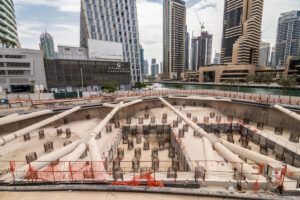

Environmental, Social, and Governance (ESG) metrics have become essential benchmarks for modern construction companies. These metrics provide a structured way to measure a firm’s impact on the environment, its social responsibility, and the strength of its governance practices. In an industry known for heavy resource use and complex projects, tracking each ESG metric is not just about compliance or public image – it’s about improving efficiency, reducing risks, and ensuring long-term viability.
Investors, clients, and regulators are increasingly demanding transparent ESG reporting, and leading construction firms are responding by monitoring key indicators from carbon emissions to community engagement. The following sections outline 10 key ESG metrics that construction companies need to report, with practical explanations and examples illustrating why each metric matters. This comprehensive overview serves as an internal guide for project managers and executives to understand and implement ESG measurement in day-to-day operations in a clear, objective manner.
Table of Contents
10 Key ESG Metrics Construction Companies Need to Report
1. Carbon Footprint (Greenhouse Gas Emissions)
Carbon footprint is arguably the most critical environmental ESG metric for construction firms. It measures the total greenhouse gas emissions (mainly carbon dioxide) produced directly and indirectly by a company’s activities. This includes emissions from construction machinery and vehicles (diesel, gasoline use), electricity generation for sites and offices, and even upstream impacts from producing materials like cement and steel. Tracking the carbon footprint is vital because the building and construction sector is responsible for an estimated 30-40% of global carbon emissions when including building operations.
Construction companies must monitor their Scope 1, 2, and 3 emissions (direct on-site emissions, indirect emissions from purchased energy, and supply chain emissions) to identify major sources of CO₂. By measuring baseline emissions, firms can set reduction targets aligned with climate goals (for example, committing to cut emissions 50% by 2030 or reaching net-zero by 2050). Practical example: A contractor might perform a carbon audit for a new project, calculating the expected CO₂ from equipment fuel use and material deliveries.
Using greener alternatives – such as biodiesel for machinery or sourcing low-carbon concrete – can then be quantified in terms of CO₂ saved. Reporting carbon footprint metrics not only ensures compliance with emerging climate disclosure regulations but also helps companies pinpoint inefficiencies. Many construction firms are adopting standards like the Greenhouse Gas Protocol to calculate emissions consistently, and they report the results annually in sustainability reports. Over time, a shrinking carbon footprint indicates progress in energy efficiency, cleaner technology adoption, and sustainable project management.
2. Energy Consumption and Efficiency
Closely tied to carbon emissions is the metric of energy consumption. This measures how much energy a construction company uses in its operations – including electricity, fuel for vehicles and generators, and heating/cooling for facilities. Energy use is a major cost driver and environmental impact for construction projects. Tracking this metric helps firms identify wastage and improve efficiency.
For instance, monitoring diesel fuel usage on job sites or electricity use in site offices can uncover equipment idling or inefficient lighting that could be optimized. An important aspect of this metric is the energy efficiency of operations, often assessed by comparing energy used to the output achieved (e.g. kWh per square meter of building constructed). In practice, construction companies can install smart meters and IoT sensors to get real-time data on energy usage across sites.

Real-world example: The Lawrence Berkeley National Laboratory (LBNL) discovered through detailed energy monitoring that its building automation system was running heating and cooling during unoccupied night hours. By fixing this misconfiguration, LBNL cut natural gas consumption by about 50% in just two months – a dramatic improvement achieved simply by using data to adjust operating schedules. This case illustrates how active tracking of energy metrics can uncover hidden inefficiencies.
Additionally, construction firms are increasingly reporting the percentage of energy sourced from renewable sources (solar, wind, etc.) as part of their ESG goals. Using renewable energy – for example, installing solar panels on-site for lighting or site offices – can reduce reliance on fossil fuels. In summary, by reporting energy consumption and efficiency metrics, construction companies not only reduce their environmental impact but also save on costs. Energy-efficient practices (like using energy-saving equipment, optimizing machinery run-times, and improving insulation in temporary structures) directly lower fuel and power expenses while contributing to a lower carbon footprint.
3. Water Usage and Conservation
Water usage is a critical ESG metric for the construction industry, reflecting how responsibly a company consumes fresh water and manages wastewater. Construction activities can be water-intensive – from mixing concrete and controlling dust to on-site worker needs and landscaping. In fact, the building and construction sector is estimated to account for roughly 15% of global freshwater consumption, largely due to processes like concrete production which require huge volumes of water. Given increasing global water scarcity, measuring and reporting water usage is essential.
Construction firms should track total water withdrawn (in cubic meters or liters) for each project and implement measures of water efficiency (such as reuse or recycling rates). For instance, a company might measure water used per square meter built, and strive to reduce that over time by adopting better practices.
Conservation strategies include using non-potable or recycled water for dust suppression, collecting rainwater on-site for equipment cleaning, or employing newer concrete mixes that require less water. Some contractors now deploy water meters at sites to monitor real-time consumption and quickly detect leaks or excessive use. Reporting water metrics often goes hand-in-hand with setting reduction targets – for example, aiming to lower water usage by 10% each year through efficiency programs.
Practical example: A large infrastructure project might set up a treatment system to recycle wastewater from concrete washing and reuse it for curing concrete or irrigation, thereby saving thousands of liters of fresh water. By documenting these efforts, the company can report a higher percentage of water recycled on the project.
Overall, this ESG metric drives construction companies to be mindful of their water footprint, avoid wastage (such as preventing water leaks or overuse of potable water for tasks that don’t require it), and protect local water resources. Transparent reporting of water use and conservation measures demonstrates to stakeholders that the company is managing environmental resources responsibly and preparing for future water constraints that could impact project costs and schedules.
Suggested article to read: Construction Monitoring in Large-Scale Infrastructure Projects; 2025 Review
4. Waste Management and Recycling Rate
Construction and demolition activities generate enormous quantities of waste materials, making waste management a core environmental metric to report. This metric encompasses the total amount of waste produced on construction sites (debris such as concrete rubble, wood scraps, metal, packaging, excavated soil) and, importantly, how much of that waste is diverted from landfills through recycling or reuse. Globally, construction and demolition (C&D) waste is estimated to account for 30–40% of the total solid waste stream, which highlights the scale of the issue.
By tracking waste generation, companies can identify opportunities to reduce excess material usage (for example, better estimating material needs to avoid large off-cuts or unused surplus). A key sub-metric is the recycling rate: the percentage of construction waste that is recycled or repurposed instead of being discarded. For instance, recycling concrete and asphalt debris into aggregate for new roads, or sending metal scrap to recycling facilities, significantly lowers landfill impact.
Many countries and municipalities now have regulations or incentives tied to C&D waste reduction, so reporting this metric keeps companies accountable to legal requirements as well. Practical measures: On a project level, a contractor might implement a site waste management plan that includes separate bins for wood, metals, concrete, and plastics, and track the weight of each category sent for recycling. If a project generates 500 tons of waste but manages to recycle 400 tons, that’s an 80% recycling rate – a strong performance that can be reported to clients and regulators.
In addition, companies are adopting circular economy practices such as designing for less waste (standardizing dimensions to reduce offcuts) and reusing materials (e.g. salvaging fixtures from demolitions for use in new builds). By reporting waste and recycling metrics, construction companies demonstrate a commitment to minimizing environmental impact.
It also drives internal improvements: teams become motivated to find innovative ways to cut waste, like prefabrication of components (reducing on-site scrap) or returning unused materials to suppliers. Over time, better waste management not only benefits the environment but can reduce disposal costs and even generate revenue from selling recyclable materials.
5. Workplace Health and Safety (Injury Rates)
Safety is a paramount social metric in construction ESG reporting. The construction industry operates in high-risk environments – working at heights, with heavy machinery, and in dynamic work zones – making worker health and safety metrics critical indicators of social responsibility. Key safety metrics include the Total Recordable Incident Rate (TRIR), which measures how many work-related injuries occur per a standard number of labor hours (often per 200,000 hours), and the Lost Time Injury Frequency Rate (LTIFR), which tracks injuries that result in lost workdays.
Another crucial figure is the number of fatalities that occur in a year, since construction unfortunately leads all industries in worker deaths in many regions. For context, about 20% of all private industry worker fatalities occur on construction sites (roughly one in five workplace deaths), underscoring the importance of rigorous safety oversight. Construction companies must report these safety metrics to demonstrate how well they protect their workforce. A low (and decreasing) injury rate suggests effective safety management systems, regular training, and a strong safety culture on-site.
Practical example: A construction firm might report that its TRIR for the past year was 1.5 (meaning 1.5 recordable injuries per 200,000 hours worked), down from 2.5 the year before. This improvement could be attributed to new safety protocols introduced, such as mandatory fall-protection training and the use of wearable sensors to detect fatigue in workers. Companies often set safety targets like zero fatalities and continuous reduction of injury rates, and track near-misses as a proactive measure. In ESG reports, safety performance is sometimes contextualized with initiatives – e.g. “10,000 hours of safety training conducted” or “all sites achieved 100 days without a lost-time incident.” These details give life to the metrics and show ongoing efforts.
Ultimately, reporting health and safety metrics holds construction firms accountable to their workers and stakeholders. It ensures management remains focused on hazard mitigation (such as fall protection, proper scaffolding, machinery guarding, and personal protective equipment compliance). Moreover, a strong safety record is linked to higher productivity and morale – when employees feel safe, work interruptions decrease and trust increases. By transparently disclosing safety data, construction companies build trust with clients, regulators, and employees’ families that they prioritize people over just profits.

6. Workforce Diversity and Inclusion
Diversity and inclusion (D&I) metrics gauge how well a construction company is building an equitable and representative workforce – a vital social aspect of ESG. Traditionally, the construction sector has been male-dominated and less diverse in terms of gender and ethnicity. Workforce diversity metrics typically include the percentage of employees who are female, the percentage from various underrepresented groups (racial/ethnic minorities, veterans, etc.), and diversity within management and leadership roles.
For example, a company might report that women make up 12% of its total workforce and hold 8% of project manager positions. These numbers provide a baseline and are compared to industry averages or past performance to assess progress. Inclusion metrics might also involve tracking pay equity (e.g. whether women and men are paid equally for similar roles) and the existence of policies or training programs for diversity awareness. Reporting on D&I is important for a few reasons. Firstly, a diverse construction team can bring a wider range of ideas, problem-solving approaches, and innovations to projects.
Secondly, many clients and government contracts now encourage or require participation of minority- and women-owned businesses, so companies that cultivate diversity may have a competitive edge. Industry context: In recent years, there’s been a push to increase the presence of women in construction, yet in some regions women still represent only around 10–15% of the construction workforce. Publishing these figures highlights the gap and helps drive initiatives like targeted recruitment, mentorship programs for female engineers and tradespeople, or partnerships with trade schools in diverse communities.
Practical example: A construction firm may set an internal goal to raise the percentage of women in its workforce to 20% within five years. It would then report on its progress annually – for instance, noting that it increased from 12% to 14% female employees this year after launching a recruitment campaign and creating flexible work policies. Such transparency holds the company accountable and signals to potential recruits that it values an inclusive culture. Diversity metrics are not about quotas for their own sake, but about ensuring equal opportunity and benefiting from a broad talent pool.
Moreover, younger generations entering the workforce often consider a company’s social values and inclusivity. A strong performance on D&I metrics can help construction companies attract skilled talent who want to work for an employer known for fairness and representation. In ESG disclosures, companies might also mention related efforts, like unconscious bias training completed by managers or partnerships with minority subcontractors, which strengthen their overall social impact narrative.
7. Community Engagement and Social Impact
Community engagement is a qualitative but increasingly important ESG metric that reflects how a construction company interacts with and impacts the local communities where it operates. Large construction projects can significantly affect nearby residents and businesses – through noise, dust, traffic disruptions, or by altering the local environment and economy. Therefore, measuring and reporting a company’s social impact and outreach efforts is crucial to demonstrate responsibility beyond the construction site’s fence.
Key indicators of community engagement might include the number of stakeholder meetings or public forums held for a project, the amount of investment in community development or charitable contributions, and the percentage of local workers or local subcontractors hired for projects. For example, a company could report that it spent $100,000 on community infrastructure improvements (such as fixing a park or a road) as part of a project, or that 30% of the project’s workforce was hired from the local city or region, providing an economic boost to that community. Other metrics can involve tracking community complaints and how quickly they are resolved, indicating responsiveness.
Practical example: Consider a construction of a new school in a residential area. The contractor might establish a neighborhood liaison committee and hold monthly meetings where residents can voice concerns or get updates. If the company logs these interactions, they can report “12 community meetings were conducted over the project, with 90% of raised issues addressed within two weeks.” Additionally, the company might voluntarily support local initiatives – like sponsoring a neighborhood clean-up day or donating materials to a local vocational training center – and include those activities in its ESG narrative.
Community engagement metrics are somewhat less standardized than environmental ones, but they carry weight in demonstrating the company’s commitment to being a “good neighbor.” When construction companies actively engage communities, they earn trust and a “social license to operate,” meaning the public is more likely to support or at least accept their projects. In terms of ESG reporting, some frameworks ask for disclosures on impacts to local communities (such as any displacement, mitigation measures taken, or community feedback collected).
By openly reporting community engagement efforts, a construction firm shows stakeholders that it prioritizes transparency and positive legacy – aiming not just to finish a project and leave, but to ensure the community benefits or at least is heard and respected throughout the process. This approach can lead to smoother project execution as well, since a supportive community often correlates with fewer delays and conflicts.
8. Ethical Business Practices (Anti-Corruption and Compliance)
Governance metrics for construction companies must include measures of ethical business conduct – specifically efforts to prevent corruption, bribery, and fraud. The construction industry unfortunately has a global reputation for vulnerability to corruption due to large contract values, complex supply chains, and interactions with multiple government permits and approvals.
As a result, stakeholders want assurances that a company is operating with integrity. Anti-corruption metrics might include the number of employees and executives who have completed ethics and anti-bribery training, the existence of a zero-tolerance code of conduct and how widely it’s communicated, and any incidents of legal non-compliance or confirmed corruption cases within the reporting period. For instance, a construction firm would publicly state if it had any violations of anti-corruption laws or if none, which is preferable, it may highlight that it conducted X number of internal audits with no significant findings.
Some companies also report on the use of whistleblower hotlines – e.g. how many reports were made and resolved – as a sign that employees have avenues to report unethical behavior. This metric is crucial because nearly half of construction companies in some surveys report experiencing bribery or corruption at some point, making it one of the most at-risk industries. Transparency in this area builds trust with investors and clients that the company manages its contracts and procurement fairly. Practical example: A large engineering and construction firm might report that 100% of its project managers and procurement staff completed an anti-corruption compliance course in the last year.
It could also disclose that it performed due diligence on all major subcontractors and suppliers, requiring them to sign anti-bribery agreements. If any project bidding or execution had an issue (say a subcontractor was found to have attempted a kickback), the company would report how it responded – perhaps by terminating the relationship and notifying authorities – to show enforcement of its policies. Additionally, construction firms should note if they adhere to international frameworks like ISO 37001 (Anti-Bribery Management System) or if they have been certified for ethical compliance by third parties.
By including ethical business practice metrics in ESG reports, companies demonstrate robust governance systems. This could also cover general compliance: for example, confirming compliance with all labor laws, environmental regulations, and reporting any fines or sanctions (or the lack thereof). A clean record or a record of promptly addressing issues reflects strong governance oversight. In essence, these metrics tell stakeholders whether the company runs its projects responsibly – avoiding illicit payments, bid collusion, or unsafe shortcuts – and fosters a culture where doing the right thing is non-negotiable.
9. Sustainable Supply Chain (Responsible Sourcing)
A construction company’s ESG performance extends beyond its own walls to its vast supply chain. Every project relies on materials (cement, steel, timber, chemicals, etc.) and services provided by numerous suppliers and subcontractors. The sustainable supply chain metric assesses how the company ensures those partners also meet environmental and social standards. Key indicators here could be the percentage of major suppliers that are evaluated or audited for ESG criteria, and whether the company has a responsible sourcing policy in place (for example, preferring suppliers with certified sustainable products).
For example, a construction firm might report that 80% of its procurement spend comes from suppliers who adhere to a Supplier Code of Conduct covering labor practices, environmental management, and ethics. Another metric might be how many suppliers were assessed for sustainability risks during the year, and how many high-risk suppliers were given improvement plans or replaced. Responsible sourcing can include specifics like: the proportion of wood purchased that is Forest Stewardship Council (FSC) certified (ensuring timber is from legal and sustainable forests), or the use of eco-labeled products. It also covers labor issues – ensuring suppliers do not use forced or child labor and provide fair wages on their work sites.
Practical example: Consider a company building a large commercial complex. It might decide to source all its concrete from a supplier that has a lower-carbon cement blend and a recycling program for returned concrete. In its ESG report, the company would highlight this choice and possibly quantify the reduction in embodied carbon achieved. It may also list that it conducts quarterly quality and safety audits on key subcontractors (e.g. electrical, plumbing contractors) to verify they follow safety protocols and treat their workers fairly, aligning with the main contractor’s values.
By monitoring and reporting sustainable supply chain metrics, construction companies reduce the risk of reputational damage from supplier misdeeds (such as illegal dumping by a waste hauler or exploitation by a labor subcontractor). Additionally, they contribute to raising standards across the industry – pushing vendors to adopt greener, safer practices to win business. This metric demonstrates a company’s influence beyond direct operations; it shows an integrated approach to ESG where accountability is shared with partners.
In many ways, a construction project is only as sustainable as its least sustainable supplier, so having data on supply chain ESG performance is increasingly demanded by clients. Reporting such metrics might also involve noting if the company participates in industry initiatives like the Considerate Constructors Scheme or global frameworks like the UN Global Compact for supply chain practices. Overall, a focus on responsible sourcing helps ensure that the positive efforts a company makes internally are not undermined by unseen issues in the materials and services it relies on.

10. Governance Transparency and Board Oversight
The final key ESG metric involves the governance structure of the construction company – specifically, how transparent its ESG reporting is and how strongly ESG is integrated at the leadership level. One aspect is board diversity and expertise: stakeholders often look for metrics like the percentage of board members who are independent (not part of management) and the percentage of women or minority directors on the board. A diverse, independent board is seen as better able to oversee management and consider varied stakeholder interests.
For example, a firm might report that 30% of its board of directors are women and that it added a director with sustainability expertise in the past year. Another related metric is whether executive compensation is tied to ESG outcomes. Many corporations (across industries) are starting to link bonuses or performance evaluations of senior executives to achieving ESG targets (for instance, reducing emissions or improving safety). A construction company could disclose that, say, 15% of its CEO’s incentive pay is contingent on meeting specific ESG goals (e.g. cutting carbon intensity or improving safety rates).
This indicates serious commitment, as leadership has a financial stake in ESG progress. Transparency is also a part of governance metrics – companies should detail the frameworks and standards they use for ESG reporting (such as GRI – Global Reporting Initiative, or SASB standards for Engineering & Construction) and whether their ESG data is externally assured or audited for accuracy. For instance, the company might report that it publishes an annual sustainability report aligned with international standards and that it achieved an ESG rating improvement from external rating agencies. Additionally, compliance with new reporting regulations is a metric in itself.
With governments implementing stricter disclosure rules (like the EU’s Corporate Sustainability Reporting Directive), companies should indicate that they are in full compliance, submitting required ESG data on time. Practical example: A construction enterprise could note in its ESG report that its board formed an “ESG Committee” to oversee sustainability and governance issues quarterly. It might also state that no incidents of fraud, data breaches, or legal violations occurred in the year (or if any did, they were transparently reported and addressed).
These governance-related disclosures build confidence that the company isn’t just tracking metrics, but also has robust systems and leadership attention devoted to ESG matters. In summary, governance transparency and board oversight metrics demonstrate that ESG is embedded at the highest level of decision-making. When a construction company shows it has diverse, ethically-minded leadership and openly shares its progress and challenges, it reassures investors, clients, and employees that the company is well-governed and future-focused. Strong governance underpins success in all other ESG areas: without it, environmental and social initiatives may lack direction or accountability. T
FAQs
How do construction companies track ESG metrics?
Construction companies track ESG metrics by collecting data systematically on key areas like fuel and electricity use, safety incidents, workforce demographics, etc. They often use digital tools – for example, carbon accounting software to measure greenhouse gas emissions and smart sensors or meters on job sites to monitor energy and water consumption. Internally, they assign teams or officers to gather and verify this data across projects. The metrics are then reported in sustainability reports or dashboards, sometimes using established frameworks (such as GRI or SASB standards) to ensure consistency. Regular audits and reviews help ensure the data is accurate and that the company is on track with its ESG targets.
What are some important social ESG metrics for construction companies?
Key social ESG metrics for construction firms include workplace safety indicators (like injury rates and lost time due to accidents), which show how well employee well-being is protected. Another important metric is employee diversity and inclusion, such as the percentage of women and minorities in the workforce and management – this reflects how inclusive and equitable the company is. Employee training and development hours can also be tracked, indicating investment in workforce skills. Additionally, community engagement metrics (for example, local hiring rates or community support initiatives) are important, as they demonstrate the company’s social impact on the communities where it operates.
Which ESG reporting frameworks should construction companies use?
Construction companies commonly use global reporting frameworks to guide their ESG disclosures. The Global Reporting Initiative (GRI) is a widely used framework that provides standardized metrics and disclosures across environmental, social, and governance topics. Some firms also refer to the SASB Standards (now maintained by the IFRS Foundation) specifically for the Engineering & Construction sector, which outline industry-relevant ESG metrics. Additionally, construction and real estate companies might report to GRESB (Global Real Estate Sustainability Benchmark) if they are involved in property development.
Is it true that focusing on ESG metrics can benefit a construction company’s finances?
Yes, it’s true – improving ESG metrics can have financial benefits for construction companies. In the short term, initiatives like energy efficiency or waste reduction often cut operating costs (e.g. lower fuel bills or material savings). A strong safety record can reduce accident-related costs and downtime. In the long term, solid ESG performance makes a company more attractive to clients and investors who prefer contractors with sustainable practices, potentially leading to more project opportunities and better financing terms. Also, being proactive about ESG can help avoid costly fines or project delays by ensuring compliance with environmental and labor regulations.
Conclusion
In conclusion, construction companies that diligently measure and report these 10 ESG metrics position themselves for sustainable success. By tracking environmental indicators like carbon emissions, energy, water, and waste, firms identify efficiency gains that save resources and reduce costs. Monitoring social metrics such as safety, diversity, and community impact helps foster a resilient workforce and community goodwill. And upholding governance standards through ethical practices, supply chain oversight, and transparent leadership ensures long-term trust and compliance.
Reporting on ESG metrics is not just a bureaucratic exercise – it enables construction organizations to diagnose problems, drive continuous improvement, and demonstrate accountability to stakeholders. As the industry evolves, those companies that integrate ESG metrics into their core project management and decision-making processes will be better equipped to innovate, win contracts, and attract talent and investment. In essence, managing these ESG factors holistically contributes to building not only successful projects, but also a more sustainable and responsible construction industry for the future.
Resources:
Bryan Cave Leighton Paisner. (2024). Confronting corruption in the construction industry.
Greenberg & Ruby Injury Attorneys. (2025). Construction Accident Statistics: Key Facts, Trends, and Safety Insights.
Harvard Business Review. (2016). Smart Cities Start with Smart Buildings.
For Construction Pros. Iribar, I. (2024). Construction Industry’s Water Problem.
Labor Finders (Margaret McGriff). (2025). The State of Women in Construction in 2025.
World Green Building Council. (2019). Bringing Embodied Carbon Upfront.
World Economic Forum. (2024). The building sector is key to the fight against climate change.
BigRentz. (2023). 24 Construction Waste Statistics & Tips to Reduce Landfill Debris.
For all the pictures: Freepik
Suggested article for reading:
4 Field-to-Office Workflows Transformed by Modern Construction Management Software
11 Quick Compliance Checks for Public Construction Tenders (Avoid Disqualification)
6 Construction Tender AI Tools That Speed Up Your Responses (Save Time, Improve Accuracy)
10 High-Value Public Construction Tenders to Watch This Quarter (Opportunities & How to Bid)
4 Steps to Build a Tendering Playbook for SMEs (Win More Construction Tenders Without a Bid Team)