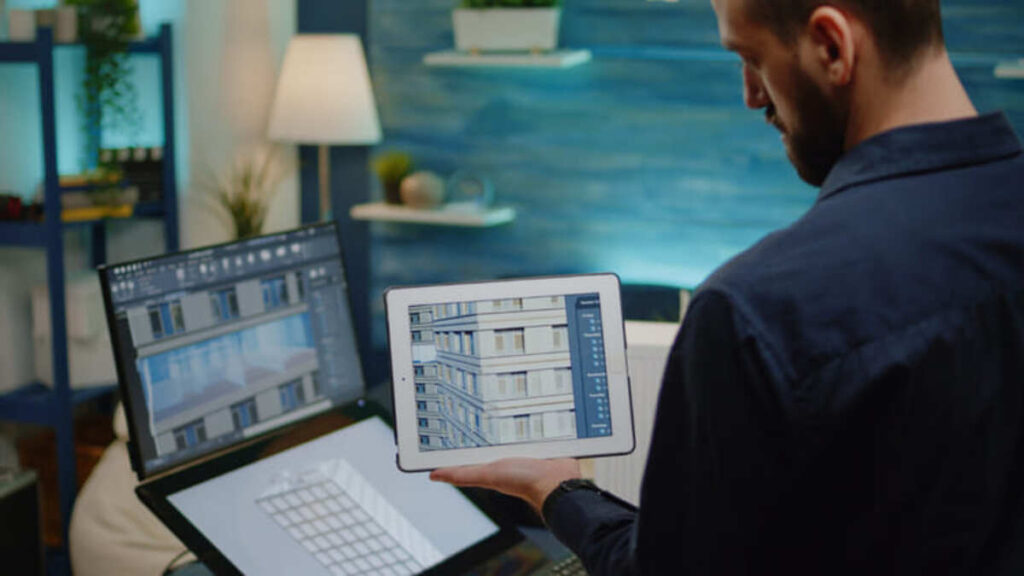
Integrating IAQ sensor networks with Building Management Systems (BMS) and digital twins has become a cornerstone of smart construction projects in 2025. This integration ensures that indoor air quality is continuously monitored and managed alongside other building systems for healthier and more efficient buildings. In modern construction sites and new buildings, implementing a playbook for IAQ sensor integration helps project teams streamline installation, optimize HVAC operations, and leverage digital twin technology for proactive building management.
This article provides a comprehensive technical guide – a playbook – on how to seamlessly incorporate IAQ sensors into BMS and digital twin platforms, using clear steps, real-world examples, and practical best practices. The tone is didactic and objective, aiming to feel like internal training material while remaining easy to read and understand.
Table of Contents
Understanding IAQ Sensors
What is an IAQ Sensor? Indoor Air Quality (IAQ) sensors are devices that measure key parameters of the air within buildings or construction environments. These sensors track pollutants and conditions such as:
-
Carbon Dioxide (CO₂): Indicates ventilation adequacy and occupancy levels. High CO₂ levels (e.g., above 1000 ppm) signal that fresh air supply is insufficient for the number of people in a space, potentially causing drowsiness or reduced concentration.
-
Volatile Organic Compounds (VOCs): Measure gaseous pollutants from materials, paints, adhesives, or fuel exhaust. Elevated VOC readings can indicate poor air quality or hazardous fumes, especially on construction sites where new materials or machinery are present.
-
Particulate Matter (PM2.5/PM10): Monitors fine dust and particles in the air. These are critical on construction sites due to dust from construction activities and in finished buildings for detecting pollutants like smoke or outdoor pollution ingress.
-
Temperature and Humidity: Although not pollutants, these factors are often included in IAQ sensor modules. They influence occupant comfort and can exacerbate IAQ issues (e.g., high humidity can promote mold growth, while temperature stratification can affect sensor readings).
-
Other Gases: Some IAQ sensors include CO (carbon monoxide), O₃ (ozone), formaldehyde, or NO₂ sensors, particularly in specialized environments or urban settings.
In construction and building operation contexts, IAQ sensors serve as the “noses” of the building, continuously sniffing the environment to provide real-time data. Unlike periodic manual air quality tests, continuous IAQ sensors catch issues as they happen – for example, detecting a spike in dust during construction demolition or a rise in CO₂ during a packed meeting in a new office building. This data is invaluable for maintaining healthy conditions and responding quickly to any air quality problems.
Building Management Systems (BMS) and Digital Twins
Building Management System (BMS) Overview – A BMS (also known as Building Automation System, BAS) is the centralized control system that monitors and controls a building’s mechanical and electrical equipment. The BMS connects various subsystems – HVAC (heating, ventilation, air conditioning), lighting, fire safety, security, and more – into one integrated network. In a modern smart building, the BMS acts as the “brain,” automatically adjusting systems based on sensor inputs and predefined settings.
For instance, a BMS can open or close ventilation dampers, adjust fan speeds, or trigger exhaust fans when certain conditions are met. Traditionally, BMS installations might not have included extensive IAQ monitoring beyond basic temperature and humidity sensors or a few CO₂ sensors for ventilation control. However, by 2025, it’s becoming standard to incorporate a wider array of IAQ sensors into the BMS to ensure holistic environmental control. BMS platforms from major providers (Johnson Controls, Honeywell, Schneider Electric, Siemens, etc.) now readily support integration of IAQ sensor data, often through standard protocols, allowing real-time adjustments that keep indoor environments both energy-efficient and healthy.
Digital Twin Technology – A digital twin is a virtual replica of a physical asset or system – in this case, a building or construction project – that mirrors its real-time performance and conditions. The digital twin of a building integrates data from the BMS and IoT sensors (including IAQ sensors) with 3D building models and analytical models. Think of it as an interactive, live simulation of the building: one can view current sensor readings overlaid on floor plans or 3D models, run simulations (like airflow or occupancy changes), and even predict future conditions using AI.
In construction projects, digital twins can start as early as the design phase (using Building Information Modeling, BIM) and evolve through construction and into operations. By 2025, many construction sites and newly completed buildings employ digital twin platforms to ensure that what was planned (in design) is closely aligned with real-world performance data once the building is occupied.
How BMS and Digital Twins Work Together – The BMS provides real-time control and automation, while the digital twin provides visualization, analytics, and higher-level decision support. For example, the BMS might use an IAQ sensor’s CO₂ reading to immediately modulate an air handling unit. Simultaneously, the digital twin logs this data, displays it on a 3D dashboard for facility managers, and might run a predictive model (e.g., forecasting that if occupancy doubles in a conference room, CO₂ would rise above threshold in 30 minutes unless ventilation is further increased).
The digital twin can also aggregate data from multiple buildings (in a campus or portfolio), offering insights across an entire construction project or property portfolio. Essentially, integrating IAQ sensors into both systems means the building’s physical automation (BMS) and its virtual model (digital twin) are in sync, ensuring both immediate responsiveness and strategic oversight.
Suggested article to read: Building Management System (BMS); Ultimate Guide 2024

Why Integrate IAQ Sensors with BMS and Digital Twins?
Integrating IAQ sensors with BMS and digital twin platforms brings numerous benefits that address both health and efficiency – critical goals in modern construction and building management. Here are the key reasons why this integration is now considered best practice:
-
Healthier Indoor Environments: Good indoor air quality is essential for occupant health, comfort, and productivity. By feeding IAQ sensor data (like CO₂, VOCs, PM levels) into the BMS, the building can automatically respond to keep conditions healthy. For instance, if CO₂ levels rise in a crowded meeting room, the BMS can increase fresh air ventilation in real time. Through the digital twin, facility managers can visualize these air quality trends across the building and time, ensuring no “invisible” problems go unnoticed. Continuous monitoring and automatic control help prevent uncomfortable or unhealthy environments that could result from stale air, high pollutant levels, or improper ventilation.
-
Energy Efficiency and Smart Ventilation: A traditional challenge is balancing ventilation for air quality with energy conservation. Without integration, operators might run ventilation systems longer “just to be safe,” wasting energy when it’s not needed, or conversely, they might save energy but inadvertently let air quality degrade. IAQ sensor integration enables demand-controlled ventilation (DCV) – adjusting airflow based on actual air quality needs. For example, when occupancy (and CO₂) is low, the BMS can reduce fan speeds to save energy; when occupancy is high, it boosts ventilation to maintain air quality.
-
Regulatory Compliance and Building Standards: By 2025, building codes and certification standards increasingly emphasize IAQ monitoring. Green building certifications like LEED and WELL include credits for continuous IAQ monitoring and maintaining certain thresholds (e.g., CO₂ below a limit, adequate ventilation rates, low VOC levels). Some local regulations now require CO₂ monitors in high-occupancy spaces (a trend accelerated by awareness of airborne disease transmission). Integrating sensors with the BMS allows automatic logging of compliance data and alarm generation if conditions stray outside allowable ranges.
-
Insight Through Data and Analytics: When IAQ sensors are connected to digital twins, large amounts of environmental data are collected and stored over time. Analyzing this data can uncover patterns and opportunities that manual observation would miss. For example, analytics might reveal that a particular zone consistently has higher humidity, risking mold growth – prompting a targeted fix. Or it could show that outdoor air pollution episodes (like high PM2.5 days) are entering the building, leading to decisions about improved filters or timing of ventilation.
-
Future-Proofing and Smart Building Strategy: Integrating IAQ sensors from the get-go is an investment in a building’s future-readiness. Construction sites in 2025 often incorporate the infrastructure (networking, cloud connectivity, data standards) needed for sensors and digital twin integration as part of a “smart building” strategy. This means the building will be equipped to adopt new technologies like AI-driven control or advanced occupant apps down the line. A building that already has all its IAQ and other sensor data unified via a BMS and exposed to a digital twin is ready for AI algorithms to optimize it, or for city-wide integration.
Integration Playbook: Steps to Connect IAQ Sensors with BMS and Digital Twin
Integrating IAQ sensors successfully requires a structured approach. Below is a playbook of key steps (H3), each outlining practical considerations and actions, just like an internal guide or checklist for project teams:
Step 1: Planning and Sensor Selection
-
Needs Assessment: Start by identifying the project’s IAQ monitoring needs. Consider the building type (office, school, hospital, industrial, etc.), occupancy levels, and specific air quality concerns (e.g., high CO₂ in classrooms, dust in construction zones, VOCs from materials). Define which IAQ parameters need monitoring and in which locations. For example, a large open-plan office might need CO₂ sensors distributed throughout, whereas a lab might need additional chemical sensors.
-
Choosing the Right IAQ Sensors: Select sensor hardware that is reliable and appropriate for the environment. Key criteria include measurement range and accuracy (ensure sensors can cover expected CO₂ ppm ranges or PM concentrations), durability (construction sites may need rugged or dust-resistant sensors), and whether the sensor is single-parameter or multi-parameter (many modern IAQ devices measure multiple things like CO₂, TVOC, temperature, and humidity in one unit). Also decide between wired sensors (often powered and connected via cables) vs. wireless sensors (battery-powered or IoT wireless devices).
-
Compatibility and Protocols: Ensure the sensors support integration standards. Many commercial IAQ sensors now come with built-in support for open communication protocols like BACnet/IP, Modbus, or MQTT. For straightforward BMS integration, BACnet-enabled IAQ sensors are ideal, as BACnet is an industry-standard protocol for building automation. If using IoT-oriented sensors, check that a gateway or middleware can translate their data to something the BMS can consume (for instance, a LoRaWAN gateway that outputs data to BACnet or HTTP APIs). Planning for compatibility at this stage prevents costly headaches later.
-
Integration Architecture: Decide how data will flow from sensors to both the BMS and the digital twin. In some setups, the BMS will be the primary collector of sensor data and then share it with the digital twin platform (since the BMS already networks all devices). In other cases, sensors might send data to a cloud platform (IoT hub) that feeds both a dashboard and back to the BMS. Clarify whether the integration will be direct (sensor → BMS) or indirect (sensor → cloud → BMS and digital twin).
Step 2: Installation and Calibration
-
Physical Installation: Install IAQ sensors in the appropriate locations identified during planning. Placement is crucial – sensors should be at breathing level for occupants (typically 3-6 feet above the floor for CO₂ and VOC sensors), away from direct sources of contamination (don’t place a sensor right next to a doorway where outdoor dust might skew readings unless that’s intentional), and in areas representative of the zone’s air (not in dead corners or directly under air vents). On construction sites, if monitoring during construction, sensors might be in temporary enclosures or mounted on poles to track dust and fumes in work zones.
-
Calibration and Commissioning: Before fully relying on the readings, calibrate the IAQ sensors. Calibration ensures the sensor’s output matches known reference values. Some high-quality IAQ sensors come factory-calibrated, but it’s still recommended to verify a few sample devices on-site using calibration gas (for CO₂) or reference monitors. “Bump test” the sensors by exposing them briefly to a known concentration (or simply outdoor fresh air for CO₂ zero-check) to see if they report expected values.
-
Addressing Data Quality: Construction dust or volatile conditions can sometimes foul a sensor (e.g., a particulate sensor might get clogged with excessive dust if not protected by a filter). Implement measures like small external filters for dust sensors or schedule periodic cleaning/replacement as part of maintenance. It’s much easier to maintain accurate data than to troubleshoot weird readings later. Additionally, label each sensor clearly (physically and in the software) with its location/zone, so data isn’t misinterpreted.
Step 3: Connecting Sensors to the BMS
-
Network Integration: With sensors installed and calibrated, integrate them into the BMS network. If the sensors are BACnet/IP enabled, this might involve connecting them to the building’s IP network (or a dedicated BMS subnet) and using the BMS software to discover the devices. Assign unique network addresses or IDs to each sensor. For instance, enable BACnet functionality on each sensor (as per manufacturer instructions) and ensure the BMS recognizes their objects (like CO₂ level as an Analog Input object).
-
Data Point Mapping: Once communication is established, map each sensor’s output to meaningful data points in the BMS. For example, create or enable trending logs for each IAQ parameter, set alarms or notifications for high readings (e.g., an alarm if CO₂ > 1200 ppm for more than 5 minutes), and incorporate these points into the BMS graphics/UI. It’s helpful to group points logically – perhaps all IAQ sensors on one floor are grouped together in the interface for quick reference.
-
Controls Integration: The real power of connecting to BMS is enabling automatic control actions. Work with HVAC control sequences to incorporate the IAQ data. For instance, implement a control sequence for demand-controlled ventilation: if CO₂ > 800 ppm in a zone, command the BMS to open the outdoor air damper more for that zone’s air handling unit, or ramp up the ventilation fan speed.
-
Integration with Legacy Systems: In some cases, you may be adding IAQ sensors to an older BMS or a mix of systems. If direct integration is not possible (for example, an older BMS that doesn’t speak modern protocols), consider using an interface gateway or middleware. There are devices and software available that can take in sensor data via one protocol and output to another (like an IoT gateway that takes MQTT from sensors and offers a BACnet interface to the BMS).
Step 4: Integrating with the Digital Twin Platform
-
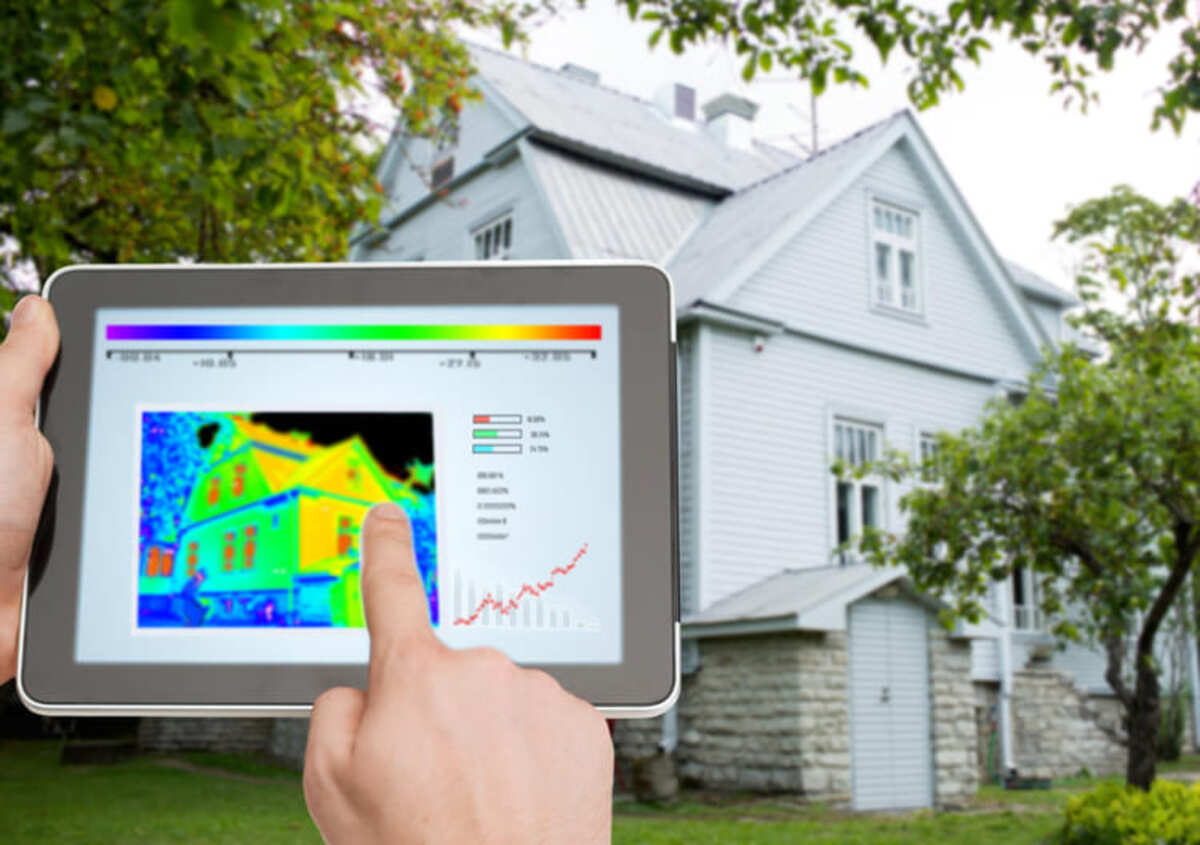
Digital Twin Setup: Ensure your digital twin platform is ready to ingest sensor data. The digital twin is usually software that might be part of a smart building dashboard or a specialized application linked to your BIM model. Begin by mapping the building’s spaces and equipment in the digital twin – essentially, importing or creating the building’s 3D model or floor plans and establishing the virtual representations of rooms, zones, and systems.
-
Link Sensor Data to the Twin: Connect the live data feed from the IAQ sensors (often via the BMS or directly from an IoT database) into the digital twin. Practically, this could involve configuring APIs or data connectors: for example, the digital twin might pull data from the BMS’s database or subscribe to a message broker topic that the sensors publish to. Each sensor in the physical world should correspond to a digital object in the twin. For instance, if Room 101 has a CO₂ sensor, the digital twin’s model of Room 101 should display the current CO₂ reading and perhaps change color if levels exceed certain thresholds.
-
Visualization and Navigation: Take advantage of the twin to visualize IAQ conditions intuitively. Create heatmaps or color-coded overlays in the twin: e.g., areas with excellent air quality in green and areas with issues in red. A facilities engineer can look at the twin’s dashboard and immediately spot if, say, the northwest corner of a building is consistently showing higher particulate levels. The digital twin can also integrate multiple data layers – you might display IAQ alongside occupancy data or HVAC status to get context.
-
Simulation and Forecasting: One powerful aspect of digital twins is running simulations. With IAQ sensor integration, you can simulate “what if” scenarios: for example, if outside air quality is poor (high PM2.5 due to a wildfire smoke event), the twin could simulate how indoor PM levels might rise and advise closing dampers or running air scrubbers. Or simulate the impact of adding 50 people to an event hall – will CO₂ stay in safe range with current ventilation? Some advanced digital twins incorporate Computational Fluid Dynamics (CFD) models to simulate air flow and contaminant spread in the 3D space.
-
Bi-Directional Control (if applicable): A true digital twin not only reflects data but can also send commands back (this is sometimes called closing the loop between the virtual and physical). If your digital twin platform supports it, test any control capabilities carefully. For instance, an operator might click on a room in the twin and increase its ventilation setpoint, which should send that command to the BMS in real-time. This kind of seamless operation can streamline management – you manage your building by interacting with its digital counterpart.
Step 5: Automation, Optimization, and Maintenance
-
Automated Alerts and Responses: With the IAQ sensors feeding both BMS and the digital twin, configure automated alerts for out-of-bounds conditions. The BMS can trigger on-the-spot responses (e.g., turn on an alarm or increase ventilation if high CO₂ is detected) and also send notifications to facility staff. Meanwhile, the digital twin or associated analytics software can email a daily or weekly air quality report and flag anomalies (for example, “VOC levels in the storage room spiked beyond normal range last night”).
-
Continuous Optimization: Use the collected data to refine building operations. Over time, trends may emerge – perhaps a particular meeting room always has high CO₂ at 3 pm on Fridays when a big team meeting occurs. Knowing this, the facility team can pre-emptively adjust the schedule: program the BMS to ramp up ventilation in that room every Friday afternoon, even before sensors trigger. Or if data shows that a building is over-ventilated, you might optimize by slightly reducing baseline ventilation to save energy while still staying within healthy IAQ ranges.
-
Maintenance of Sensors and Systems: Integration is not a one-and-done task; maintaining the sensors and systems is crucial for long-term success. Establish a maintenance schedule for IAQ sensors: for example, calibrate critical sensors (like those in high-stakes areas such as cleanrooms or healthcare facilities) every 6-12 months, and replace any on-board sensor elements according to manufacturer lifespan (some electrochemical gas sensors might need replacement every 2 years). Also monitor the data for any sensor drift or failures – e.g., if one CO₂ sensor flatlines at the same value for days, it likely needs attention.
-
Data Management and Security: Ensure that the integrated system’s data pipeline is secure and the data is stored properly. IAQ data might not be as sensitive as some security data, but it still should be protected from tampering or loss. Use secure network practices (encrypted protocols, VPNs for remote sensor connections, etc.) as recommended by IT. Also, plan for data storage: maintain at least a year’s worth of IAQ data logs if possible – this is useful for analyzing seasonal patterns (like how winter heating affects humidity and CO₂) and also serves any regulatory documentation needs.
-
Occupant Engagement (Optional): While primarily a technical integration, consider the end-users – the occupants. Many organizations share air quality information with occupants to build trust and demonstrate commitment to wellness. With integrated IAQ data, you could, for example, display a lobby dashboard or a phone app that shows current air quality indices in the building (similar to a weather app but for the office). This transparency can reassure occupants, especially in a post-2020 world more conscious of air quality.
Real-World Example: Data-Driven IAQ Management in Action
To illustrate the benefits of integrating IAQ sensors with a BMS and digital twin, consider a real-world inspired scenario. In 2024, a large university library was completed with a fully integrated smart building system. During the first two months of operation, the facilities team noticed via the digital twin dashboard that certain study areas had CO₂ spikes up to 1500 ppm in the late afternoons. These areas were popular for group study, leading to high occupancy that the default ventilation settings didn’t accommodate. Before integration, this issue might have gone unnoticed (students would simply feel drowsy or uncomfortable, not knowing why).
The team quickly responded by adjusting the BMS settings: they implemented demand-controlled ventilation for those zones, meaning when CO₂ climbed above 800 ppm, the BMS automatically increased the fresh air supply to those rooms. The digital twin helped in fine-tuning this solution – by simulating different occupancy and ventilation rates, they optimized the HVAC schedules.
The impact was significant: average CO₂ levels in the study areas dropped to around 600-800 ppm even during rush hour, and students reported feeling less stuffy and more alert. Importantly, this was achieved without a big energy penalty; in fact, the data revealed that the system was over-ventilating some empty areas in the evenings. By leveraging the insights, the facilities team also scaled back ventilation in unoccupied zones at night (saving energy) while ensuring air quality was maintained where people were present.
Before using this integrated approach, the library’s HVAC ran on a static schedule, and operators were not aware that air was being heated and cooled in unused spaces or that occupied spaces were under-ventilated at peak times. The IAQ sensor integration essentially gave the building a voice to “tell” the operators where and when to adjust, much like how LBNL’s team discovered misconfigurations through interval data. The key takeaway from this example is that data-driven adjustments can drastically improve both efficiency and indoor environmental quality.
It also underscores a general principle: it’s vital not to optimize one aspect (like energy efficiency) in isolation. In the library’s case, simply minimizing ventilation to save energy without sensor feedback could have harmed indoor air quality and comfort. Thanks to the integrated BMS and digital twin playbook, the building achieved a balanced outcome – energy savings were realized in some areas while other areas received increased ventilation for health, all coordinated automatically.
Challenges and Best Practices
Integrating IAQ sensors with BMS and digital twins is rewarding but not without its challenges. Anticipating these challenges and following best practices can ensure a successful implementation:
-
Interoperability and Standards: One common challenge is getting devices and systems from different manufacturers to communicate. A sensor might speak one “language” (protocol) and the BMS another. Without careful planning, you could end up with data silos. The best practice is to stick to open standards – as noted, protocols like BACnet/IP for building systems or MQTT/HTTP for IoT data are widely supported. Using these standards means your IAQ sensors can talk to your BMS out of the box or through minimal configuration. Also, consider using standardized data models or tagging conventions for naming points and sensors.
-
Data Quality and Calibration: Sensor drift or inaccuracies can mislead automation. If a CO₂ sensor reads higher than actual, it might over-ventilate and waste energy; if it reads too low, people could end up in stuffy air. Mitigate this by regular calibration schedules and using high-quality sensors in critical areas. Another best practice is cross-validation – occasionally compare readings of one sensor with another or with a portable reference instrument. The digital twin can assist by flagging anomalies.
-
Network and Security Concerns: Connecting many IoT sensors and systems can broaden the “attack surface” of a building’s network. There are cases of building systems being targeted by cyber attacks, so security must be a priority. Follow IT best practices: isolate the BMS and sensor network from public internet access, change default passwords on devices, and keep firmware updated to patch vulnerabilities. Using an encrypted protocol for data is increasingly recommended as we move into 2025 and beyond. Collaboration between the facilities team and the IT/cybersecurity team is a best practice to ensure the integrated system is robust against threats.

-
Scaling and Data Management: As you add dozens or hundreds of sensors, the volume of data can become large. BMS systems traditionally handle slower, smaller data sets, whereas IoT sensors might report every minute or more. Ensure your BMS or associated databases are configured to handle the load (for example, adjust logging intervals or storage sizes). Some projects choose to offload historical data storage to the digital twin’s database or a cloud platform, while the BMS focuses on real-time control with shorter history. This hybrid approach is fine – just verify data consistency and decide where the “source of truth” lies for analysis.
-
User Training and Change Management: Introducing new sensors and a digital twin means new tools and workflows for the facility staff or construction project managers. A challenge can be getting the team comfortable with the technology so that it’s fully utilized. Invest time in training sessions: for example, show the facilities team how to interpret the CO₂ trends, how to respond to alerts from the system, and how to use the digital twin’s interface. Provide clear documentation or an internal manual (much like this article) that outlines standard operating procedures – e.g., “If VOC alert triggers in chemical storage, do X, Y, Z.”
-
Continuous Commissioning: Buildings and usage can change over time – tenants change layouts, construction sites evolve phases, etc. A best practice is to treat integration as an ongoing process. Periodically (say annually or when major changes occur), re-commission the IAQ sensors and BMS integration. This could involve re-testing the sequences (maybe simulate high CO₂ and ensure the dampers still respond correctly), verifying digital twin model updates (if walls moved or room usage changed, update the twin to match reality), and checking that alarm thresholds are still appropriate.
In summary, the challenges of integration can be overcome with careful planning and adherence to industry best practices. The result is a building or site that effectively “self-monitors” and even “self-corrects” its indoor air quality, providing a safer and more pleasant environment for occupants while optimizing resource use. Construction projects that follow this playbook are more likely to deliver smart buildings that delight their users and perform as intended, from day one and for years to come.
FAQs
How do IAQ sensors integrate with a building’s BMS?
IAQ sensors can integrate with a Building Management System via standard communication protocols. Many sensors support BACnet/IP or Modbus, allowing direct connection to the BMS network. The BMS detects each sensor as a device and reads its values (e.g., CO₂ ppm). The data is then used in the BMS for monitoring and to trigger controls (like adjusting fans or dampers automatically when readings exceed setpoints). Essentially, the sensor becomes another data point in the BMS, much like a thermostat or smoke detector, providing real-time air quality information for the system to act upon.
What indoor air quality parameters do modern IAQ sensors monitor?
Modern IAQ sensors measure a range of environmental parameters. Common ones include carbon dioxide (CO₂) levels, which indicate how well-ventilated a space is relative to the number of people. They also often measure particulate matter (PM2.5/PM10) to detect dust or smoke, volatile organic compounds (VOCs) which signal the presence of chemical pollutants or odors, and basic comfort parameters like temperature and humidity. Some advanced sensors include carbon monoxide (CO) for safety, formaldehyde, ozone, or nitrogen dioxide in specialized settings. These measurements together give a comprehensive view of indoor air quality.
Which communication protocols are used to connect IAQ sensors with BMS and digital twins?
The most common protocols for integrating IAQ sensors with building systems are BACnet (typically BACnet/IP for modern systems), Modbus (RTU or TCP), and increasingly MQTT for IoT-based deployments. BACnet is an open standard widely used in BMS for seamless interoperability between HVAC components and sensors. Modbus is a simpler protocol often used for wired sensor networks.
MQTT is used to send sensor data over IP networks (or cloud) in IoT scenarios, and digital twin platforms often consume data via MQTT or RESTful APIs. The choice depends on the project: for direct BMS integration, BACnet is popular; for cloud integration and digital twins, MQTT/HTTP APIs are common. All of these ensure that sensor data can be shared and interpreted across systems.
Is it true that digital twins can automatically improve indoor air quality?
A digital twin itself is a virtual model and doesn’t directly control the building, but when linked with the BMS it can effectively lead to automatic improvements. The digital twin aggregates real-time IAQ data and can run analytics or AI on it. If it detects an issue (say, a pattern of high CO₂), it can either alert facility managers or, in advanced setups, send commands to the BMS to take corrective action.
In that sense, yes, a digital twin can be part of an autonomous system that optimizes indoor air quality. For example, the twin might recognize that an air handling unit isn’t maintaining air quality in one zone and prompt a ventilation increase. However, it’s the combination of digital twin intelligence and the BMS’s physical control that achieves the actual air quality improvement. As technology progresses, digital twins are increasingly capable of not just monitoring but also driving automated optimizations for healthier indoor environments.
Conclusion
Integrating IAQ sensors with BMS and digital twins on construction sites is a forward-looking strategy that bridges healthy indoor environments with smart, efficient building operation. By following a structured playbook – from careful sensor selection and installation to seamless data integration and continuous optimization – project teams can ensure that indoor air quality is monitored and controlled in real time. In 2025, this approach is increasingly becoming standard practice, as organizations recognize the dual benefits of protecting occupant well-being and improving energy and operational efficiency.
The key is to treat data as an ally: letting sensor insights drive decision-making, both automatically through the BMS and analytically through the digital twin. When done correctly, the building essentially becomes responsive to the needs of its occupants and environment, adjusting itself for optimal performance. In conclusion, integrating IAQ sensor technology with management systems transforms passive buildings into active, smart spaces – a crucial step toward healthier, more sustainable buildings in the construction industry of today and the future.
Resources:
Kaiterra. (2021). How IAQ Monitoring Optimizes Commercial Buildings Through Building Automation.
See The Air. (2025). Moving from Tech-Focused Air Quality Monitoring to Societal-Centric Digital Twin Solutions.
Fellowes. (n.d.). IAQ Data Implementation Transforms Building Efficiency.
European Agency for Safety and Health at Work. (2022). Improving compliance with occupational safety and health regulations.
Suggested article for reading:
7 Smart Leak-Detection Systems Construction Sites Are Adopting in 2025
5 Embedded Moisture Sensors That Prevent Concrete Failures — Real Use Cases
6 Fiber-Optic Monitoring Techniques to Detect Hidden Water Intrusion
5 Ultrasonic Leak Detectors Making Big Waves in Construction Safety
4 AI-Powered Flow Sensors That Turn Drips into Data-Driven Alerts