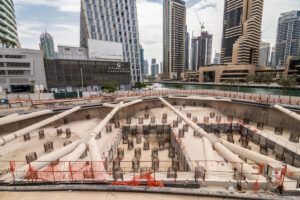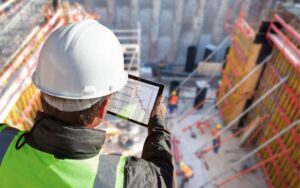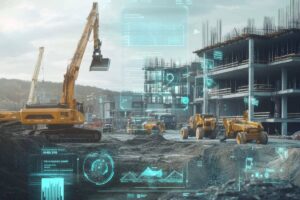

Smart sensor networks in construction gather real-time data from devices and equipment to improve site operations. These interconnected sensors collect measurements (temperature, location, vibration, etc.) across the project and feed analytics platforms. As a result, teams shift from reactive fixes to condition-based processes. For example, sensors on critical machinery can trigger maintenance tasks by detecting wear, rather than waiting for a breakdown. A Smart Sensor Network provides a continuous operational picture of site conditions, making it possible to optimize safety, energy use, and scheduling across the project.
Table of Contents
10 Benefits of Smart Sensor Networks in Construction Analytics and Maintenance
1. Enhanced Safety and Risk Reduction
A smart sensor network greatly improves worker safety by detecting hazards early. Wearables embedded in helmets and vests can track vital signs and detect falls or fatigue, sending immediate alerts. Environmental monitors keep watch over site conditions, such as gas levels or wind gusts. For instance, a wind sensor can trigger warnings if gusts rise above safe limits. Immediate alerts from these devices allow the crew to address dangers before accidents occur.
-
Worker health wearables: Sensors on gloves or helmets monitor worker vitals and motion, alerting supervisors to slips, falls, or fatigue.
-
Hazard detectors: Air quality and gas sensors trigger alarms on dangerous leaks; temperature or wind monitors warn of extreme conditions.
2. Optimized Equipment and Asset Management
IoT sensors make equipment tracking transparent. Heavy machinery fitted with GPS or RFID tags report their location and usage, letting managers quickly locate idle assets and redeploy them efficiently. This visibility prevents asset loss and overbooking. Sensors also log operating hours and conditions. If a crane or pump shows signs of wear, the system flags it for service before failure. Real-time tracking and usage data cut rental costs and keep the right equipment at each site.
-
Real-time location: GPS/RFID tags on cranes, trucks, and tools show exact position and availability.
-
Usage monitoring: Sensors track machine run-time and performance, triggering maintenance alerts before breakdowns.

3. Predictive Maintenance and Reduced Downtime
Connected sensors enable predictive maintenance across the project lifecycle. Instead of waiting for breakdowns, sensors continuously monitor equipment health (vibration, temperature, pressure) and forecast failures. When a sensor trend crosses a threshold, it automatically alerts the maintenance team. For example, rising vibration in a mixer or generator would generate a service ticket well before it fails. This data-driven approach minimizes unplanned stops, reducing downtime and repair costs.
-
Condition monitoring: Sensors detect early signs of wear or imbalance in machinery and equipment.
-
Proactive alerts: Automated notifications create maintenance work orders before minor issues cause a shutdown
Suggested article to read: Top 12 Wearable Technology in Construction Industry
4. Efficient Supply Chain and Material Tracking
Smart sensors streamline material logistics. RFID or Bluetooth tags on deliveries report real-time location and status, so teams know when supplies will arrive or if they are delayed. On site, tagged inventory shows where each material batch is stored, eliminating time lost searching for parts. This tracking ensures the right materials are on hand when needed. Instant visibility into the supply chain keeps projects on schedule and helps communicate status to stakeholders.
-
Shipment tracking: IoT tags on material shipments update location and delivery status.
-
Inventory locators: Sensors in storage areas map material locations and quantities automatically.
5. Regulatory Compliance and Quality Assurance
Continuous sensor logging creates an audit trail for compliance and quality. Sensors record site conditions (temperature, humidity, noise, etc.) and process metrics. For example, concrete curing sensors can confirm that pours happened under correct conditions. Environmental monitors log data needed for EPA or OSHA reports. When disputes or inspections arise, these records prove that work was performed properly. As noted in one study, having detailed data “about conditions over a building’s construction timeline can potentially save a firm millions” in defect claims.
-
Automated logging: Sensors collect environmental and operational data continuously for records.
-
Quality monitoring: Devices verify critical processes (like concrete curing) follow specifications, ensuring consistent outcomes.

6. Energy Efficiency and Resource Optimization
Smart sensors drive energy savings and waste reduction. In buildings, sensors on HVAC, lighting, and plug loads adjust systems based on occupancy and usage. A well-known example showed sensor-driven analytics halving a laboratory’s natural gas use in two months. On sites, smart meters on generators and fuel tanks reveal inefficiencies. Leak detection sensors prevent water or fuel spills. By continuously monitoring utilities, teams can trim waste and meet sustainability goals without compromising productivity.
-
Automated controls: HVAC and lighting adjust in real time to conditions and occupancy, saving energy.
-
Utility monitoring: Meters on power, fuel, and water systems alert to spikes or leaks, helping fix them quickly.
7. Data-Driven Analytics and Decision Making
The data from a smart sensor network feeds advanced analytics for better decisions. Dashboards and reports reveal trends and anomalies (such as rising energy use or equipment wear). For example, analysts might discover that a foundation pump runs harder on hot days, informing schedule adjustments. Descriptive analytics explain what happened; predictive models forecast future issues. Such insights let managers allocate resources strategically. As one advisor notes, analytics empower “data-backed decisions” and planning initiatives.
-
Trend analysis: Visual tools highlight deviations (e.g. unusual temperature rise or cost overrun) so teams can investigate.
-
Predictive models: Algorithms use historical sensor data to predict failures or schedule bottlenecks before they occur.
8. Integration with Digital Models and BIM
Sensor data enhances digital project models (BIM/digital twins). When sensors are tied to the BIM, the model reflects actual conditions. This creates a living “as-built” record of the asset. Maintenance teams can locate hidden elements exactly by checking the sensor-updated BIM. For example, a manager can see a pipe’s path and last pressure reading directly in the model. Over the building’s life, this integration saves time and money by providing accurate asset history and simplifying future work.
-
Live as-built data: Real performance metrics (e.g. flow rates, occupancy) feed into the BIM, keeping models current.
-
Lifecycle reference: The BIM becomes a single source of truth for maintenance records and future planning.
9. Real-Time Environmental Monitoring
Smart sensors ensure continuous environmental oversight for safer construction sites. Dust, gas, or noise sensors detect hazardous levels immediately. For example, air monitors can trigger water spraying if dust rises too high. Weather stations measure wind, rain, or extreme temperatures to protect workers and schedules. A wind alert can stop crane operations before an accident, and a rising water sensor can prevent flooding of excavation. This real-time data safeguards health and prevents damage.
-
Air and noise sensors: Track pollutant and sound levels in real time to enforce safety limits.
-
Weather and water alerts: On-site sensors warn of high winds, heavy rain, or rising water to prevent accidents.
10. Improved Productivity and Operational Efficiency
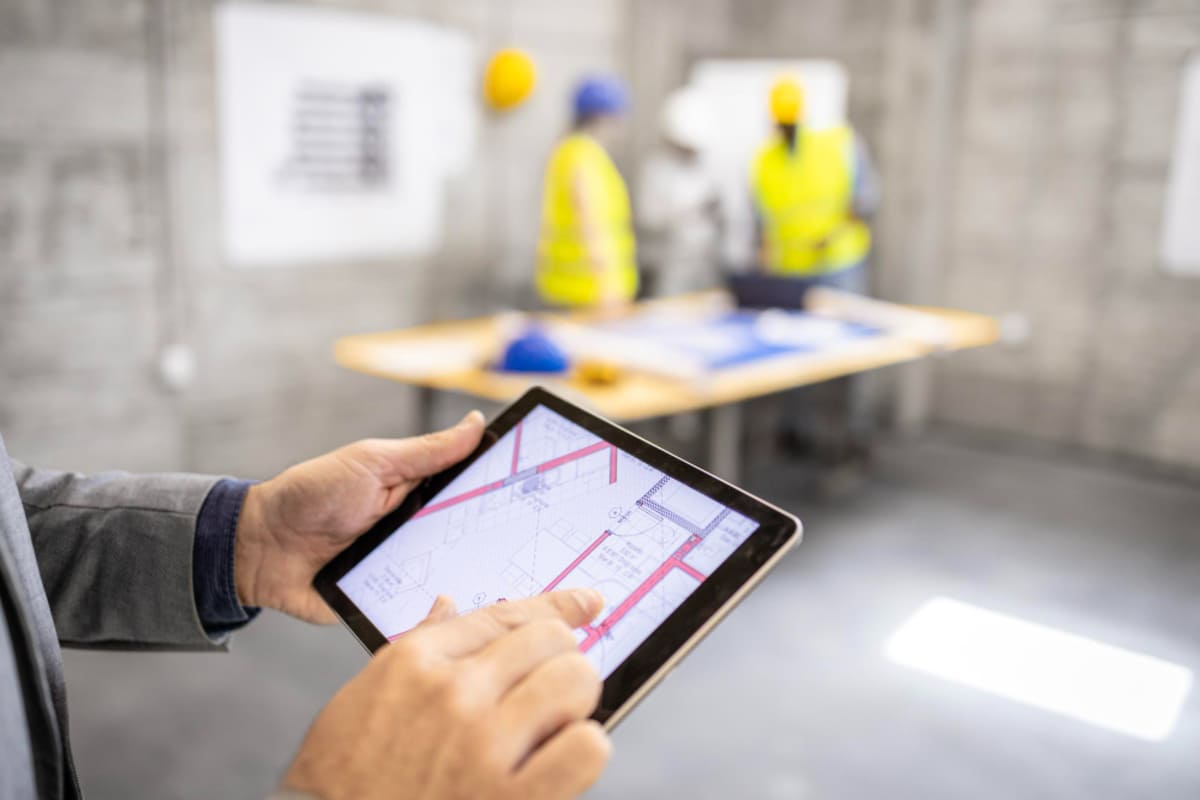
Overall, smart sensor networks make construction operations more efficient. By automating data collection, they remove the need for many manual checks. Managers can use cloud dashboards to monitor multiple sites remotely. For instance, a supervisor might review equipment status and energy use on a tablet to approve work orders. Sensors can also trigger actions: detecting a crack might auto-create a repair ticket. This connectivity and automation speed decision cycles and keep projects moving smoothly.
-
Remote oversight: Central dashboards let teams check site status and assign work from anywhere.
-
Automated workflows: Sensor alarms automatically generate alerts or work orders, reducing paperwork and delays.
FAQs
How do smart sensor networks improve safety on construction sites?
They provide real-time alerts about hazards. Wearable sensors and environmental monitors (for gas, heat, or wind) send immediate warnings when dangerous conditions arise. This early warning system allows supervisors to intervene quickly and prevent accidents.
What maintenance problems can smart sensor networks solve?
They enable predictive maintenance by continuously monitoring equipment (e.g. vibration or temperature). Sensors alert the team before small issues become failures. This prevents unplanned downtime and reduces repair costs.
Which aspects of construction projects benefit most from smart sensor analytics?
Sensors enhance almost every phase. They optimize energy use in buildings, track equipment and materials, and monitor site conditions. For example, smart meters and HVAC sensors can halve utility bills, while RFID tags and asset trackers prevent material shortages and equipment loss.
Is it true that smart sensor networks reduce operational costs?
Yes. By uncovering inefficiencies (idle systems, leaks) and preventing breakdowns, they cut energy and maintenance expenses. In practice, sensor-driven analytics have enabled projects to save up to 50% on energy use and avoid costly repairs.
Conclusion
A Smart Sensor Network transforms construction projects by turning data into action. These networks make sites safer and machinery more reliable by catching issues early. They optimize energy and materials, cutting waste and costs. With real-time visibility into operations, teams work more efficiently and make informed decisions. In short, a Smart Sensor Network turns raw measurements into tangible benefits: fewer accidents, less downtime, and higher-quality outcomes.
Resources:
Dell Inc. and Intel Corp. (2016). Smart Cities Start with Smart Buildings.
Facilities Management Advisor. Christiansen, B. (2022). The Role of Smart Sensors, Cloud Tech, and Data Analytics in Facility Management.
The Connected Shop. Ancajas, J. (2023). The Economic Edge: Top 5 Financial Advantages of Investing in Smart Sensors.
For all the pictures: Freepik
Suggested article for reading:
5 AI-Powered Sensor Technologies Enhancing Construction Efficiency
6 Digital Fabrication Technologies Reshaping Construction in 2025
5 Major Benefits of 3D Concrete Printing for Affordable Housing
3 Breakthroughs in Hybrid Additive‑Subtractive Fabrication for Custom Components
4 Ways BIM-Driven Digital Fabrication Enhances Construction Precision