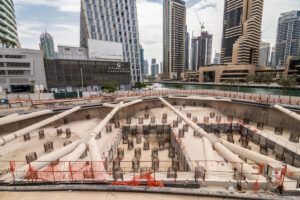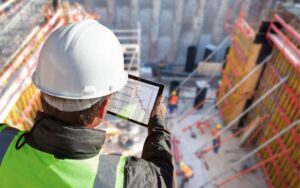

Modern construction projects face growing pressure to improve sustainability, especially when it comes to concrete. Concrete is vital for infrastructure but is also responsible for roughly 8% of global man-made CO₂ emissions, making it one of the construction industry’s largest environmental challenges. To tackle this, project teams are turning to concrete monitoring platforms – sensor-based systems that track concrete curing and structural health in real time.
By leveraging wireless IoT sensors embedded in concrete and cloud-based analytics, these platforms provide live data on parameters like temperature, strength, and moisture. This continuous insight enables engineers and managers to make smarter, faster decisions that yield significant sustainability benefits. The result is not only greener construction practices but also improved efficiency, safety, and quality on modern job sites.
In this article, we explore five key sustainability benefits delivered by concrete monitoring platforms on today’s construction sites. Each section highlights a major area where real-time concrete data and intelligent monitoring lead to more sustainable outcomes, with practical examples and explanations in a clear, didactic tone.
Table of Contents
5 Sustainability from Concrete Monitoring Platforms Delivered on Modern Sites
Optimizing Mix Designs to Cut Carbon Footprint
One of the most impactful ways concrete monitoring platforms enhance sustainability is by optimizing concrete mix designs and reducing excess cement use. Traditionally, contractors have had to over-design concrete mixes “just in case,” often using more cement than necessary to ensure strength. This over-specification can increase cement consumption by up to 30%, which in turn drives up carbon emissions, since cement production is carbon-intensive. The root cause of this practice is uncertainty – without precise in-situ data, teams rely on conservative safety margins.
Concrete monitoring platforms change this by providing accurate, real-time strength measurements of the actual in-place concrete. With wireless maturity sensors embedded in the pour, engineers know exactly when the concrete reaches required strength under real jobsite conditions, rather than relying solely on lab-cured samples or guesswork. This scientific certainty means mixes can be designed only as strong as needed, avoiding the typical “over-performing” mix with excessive cement. Using a right-sized mix directly translates to a lower carbon footprint, since every kilogram of cement saved reduces CO₂ emissions.
In practice, this has enabled more sustainable mix choices. For example, contractors can confidently use low-carbon concrete alternatives (such as mixes with higher fly ash or slag content, or new cement chemistries) because the monitoring system validates their performance in real time. Without such platforms, these greener mixes might be deemed too risky due to slower strength gain or unfamiliar behavior. Now, sensors ensure transparency on concrete strength development, allowing structural engineers to select the greenest possible mix that still meets requirements. This data-driven mix optimization is a powerful lever for sustainability: it minimizes cement use, encourages innovative materials, and directly cuts embodied carbon in modern construction.
Accelerating Construction Schedules to Save Energy
Another sustainability benefit delivered by concrete monitoring platforms is the acceleration of construction schedules, which leads to significant energy and resource savings on site. Real-time concrete data allows project teams to strike formwork and move to the next construction stage as soon as the concrete has gained sufficient strength, rather than waiting on slow traditional tests or conservative cure times. By eliminating unnecessary waiting periods, projects can be completed faster and more efficiently – and a shorter project duration means reduced overall energy use and emissions from the construction site.
On a modern job site, a variety of equipment consumes energy around the clock: diesel generators power lighting, curing heaters keep concrete warm in cold weather, and machinery often idles while crews wait for concrete to cure. By using live sensor data, teams can make decisions in minutes rather than days. For example, if embedded sensors show that a concrete slab reached its target strength overnight, the crew can begin removing forms and building the next level immediately in the morning.

In a real project in the UK, wireless concrete sensors and AI-based predictions enabled contractors to strike each floor slab up to 24 hours earlier per pour, resulting in an overall project completion about 30% faster than usual. Finishing construction weeks ahead of schedule not only saved labor time, but also meant generators, site lights, and other equipment were running for fewer days – directly cutting fuel use and emissions.
Speeding up workflows with sensor-based insights also improves efficiency in other ways. In cold weather concreting, continuous temperature monitoring tells teams exactly when to apply insulated blankets or heat (and when it’s no longer needed), preventing wasted energy on curing. During normal weather, knowing the precise curing progress avoids idle time, so heavy machinery and trucks spend less time on standby. Every day trimmed from a construction schedule reduces the project’s environmental impact. Thus, concrete monitoring platforms contribute to sustainability by enabling faster, leaner construction operations, conserving energy and reducing the carbon footprint of the build process itself.
Suggested article to read: The Ultimate Guide to IoT Sensor in 2024
Minimizing Waste and Preventing Rework
Sustainability on site isn’t only about carbon and energy – it’s also about reducing material waste and avoiding rework, areas where concrete monitoring platforms excel. Construction waste can be a major environmental burden, and any concrete that is placed and later removed or any extra material used “just in case” represents wasted resources. By providing precise, actionable data, monitoring systems help eliminate several sources of waste in concrete construction.
Firstly, real-time quality control through sensors helps catch issues early and prevent large-scale problems. For instance, temperature and maturity sensors can alert engineers to uneven curing or potential thermal cracking in a massive pour, allowing them to take corrective action (like adjusting curing measures) before cracks form. This prevents scenarios where hardened concrete might have to be demolished and repoured due to undetected issues. Continuous monitoring ensures that concrete cures under optimal conditions, maintaining quality and eliminating the need for costly rework. Less rework means less wasted material and less additional cement usage – a clear sustainability win.
Concrete monitoring platforms also reduce waste through non-destructive testing methods. Traditionally, strength testing relies on casting extra concrete specimens (cylinders or cubes) that are cured and broken in labs to estimate in-situ strength. Those test samples often end up discarded, and if results are low, they can lead to further delays or safety buffers (wasting time and material).
With embedded sensors directly measuring the structure’s strength, the reliance on sacrificial concrete test samples is greatly reduced. For example, a project using wireless maturity sensors was able to eliminate dozens of test cubes, saving the material that would have gone into those samples and the labor and lab energy for curing and crushing them. The sensors provided instant strength readings from the structure itself, which were more reliable and waste-free.
In addition, monitoring data helps avoid over-ordering or over-pouring. Knowing the exact in-place strength and concrete behavior means engineers don’t have to pour excessive safety layers or oversized structural elements “just to be sure.” They can build to spec confidently, which optimizes material usage. And in the long run, the data gathered can improve future mix designs and construction methods to further cut waste. In summary, concrete monitoring platforms promote sustainability by fostering a “right-first-time” approach: ensuring quality during the pour, preventing material waste from errors, and doing away with unnecessary extra concrete and testing samples.
Enhancing Durability and Lifecycle Sustainability
Sustainability isn’t just about the construction phase – it also involves the entire lifespan of a structure. Concrete monitoring platforms contribute to sustainability by enhancing the durability of structures and enabling proactive maintenance, thereby extending the service life of concrete infrastructure. A longer-lasting building or bridge that requires fewer major repairs or rebuilds over time has a much lower environmental impact, as it avoids additional construction materials and energy in the future. Smart sensor data plays a pivotal role in achieving this longevity.
During construction, careful monitoring ensures concrete reaches its peak strength and durability. By tracking curing conditions (temperature gradients, moisture, etc.), these platforms help contractors cure concrete in a way that maximizes its long-term performance. For example, preventing thermal shock in mass concrete or ensuring proper hydration through sensor alerts will reduce micro-cracks that could compromise durability. The result is concrete that is structurally sound and less prone to early-age defects, setting the stage for a longer life.

Once the structure is in service, embedded sensors become part of a structural health monitoring (SHM) system that continuously watches over the concrete’s condition. Sensors can detect stress, strain, vibrations, or subtle crack growth within the concrete, and they can monitor environmental factors like humidity that might lead to corrosion of reinforcement. By analyzing this data, facility managers and engineers can implement predictive maintenance – addressing minor issues before they escalate.
For instance, if sensors in a bridge detect abnormal strain or crack propagation in one section, maintenance crews can reinforce or repair that area early, preventing a potential structural failure or the need for extensive reconstruction later. This targeted upkeep keeps the structure safe and extends its usable life without the environmental cost of big repairs.
Moreover, the insights from long-term monitoring support more sustainable asset management. Trends in the data might guide improvements in future design or material choices to enhance durability. In some innovative cases, sensors have even been used alongside experimental materials like self-healing concrete, which contains microcapsules or bacteria that seal cracks automatically. The sensor feedback confirms that these self-healing mechanisms are working, encouraging broader use of such materials that make infrastructure more resilient and sustainable. By ensuring structures remain robust and serviceable for decades longer, concrete monitoring platforms reduce the frequency of rebuilds and renovations, conserving enormous amounts of materials and energy over a structure’s lifecycle.
Data-Driven Decision Making and Stakeholder Collaboration
The fifth sustainability benefit comes from the way concrete monitoring platforms enable data-driven decision making and better collaboration among project stakeholders, leading to more holistic sustainable practices. A concrete monitoring platform typically includes a cloud-based dashboard or software that aggregates all the sensor data from the job site and presents it in real time. This transparency means that everyone – from ready-mix concrete suppliers and structural designers to site managers and owners – has a clear understanding of how the concrete is performing. When teams have access to the same reliable data, they can make coordinated decisions that optimize for sustainability at every step.
One immediate effect of this data transparency is improved planning and resource efficiency. For example, knowing the exact curing status and strength gain through a central platform allows project managers to efficiently schedule manpower and equipment. They avoid keeping large crews idle or machines running when not needed. Resources can be allocated just-in-time, reducing wasted fuel and labor. The platform’s alerts and predictions help different teams (formwork, steel, etc.) synchronize their activities with concrete readiness, creating a leaner construction process with fewer delays and less redundancy.
Another key aspect is how data fosters trust and willingness to innovate. With concrete sensors providing evidence of performance, stakeholders are more likely to embrace sustainable innovations. Ready-mix producers can supply eco-friendlier mixes (like those with recycled aggregates or novel binders) knowing that the platform will verify their curing and strength in the field. Structural engineers, who might be cautious about using a new lower-carbon concrete mix, gain confidence from live data that proves the mix is achieving the intended strength.

This collaborative use of data breaks down silos and aligns everyone toward sustainability goals. Essentially, the platform acts as a single source of truth for concrete behavior, which builds confidence in trying greener solutions and ensures accountability (for instance, verifying that specified curing temperatures were maintained to meet sustainability and quality standards).
Furthermore, the rich data collected can be analyzed with advanced tools (AI, machine learning) to uncover new insights for sustainability. Trends might reveal ways to further reduce curing time or adjust mix designs for better performance. Some platforms integrate with Building Information Modeling (BIM) and even digital twin technology, enabling simulations of how different design choices impact both structural performance and environmental footprint. This allows teams to make informed decisions that balance all factors. On a strategic level, companies can use the data to document sustainability metrics – such as how much CO₂ was saved by using a certain method – which can support green building certifications or corporate sustainability reporting.
In summary, sustainability from concrete monitoring platform adoption isn’t just about individual benefits in isolation; it’s also about a cultural shift to data-driven practices in construction. By centralizing concrete performance data and making it accessible, these platforms help all stakeholders collaborate more effectively, make smarter choices that minimize waste and emissions, and continually improve processes. This systems-level improvement is crucial for delivering sustainable outcomes on modern construction sites, now and into the future.
FAQs
How do concrete monitoring platforms improve sustainability in construction?
Concrete monitoring platforms contribute to sustainability by providing real-time data that helps optimize the construction process. They reduce the need for excess cement (cutting CO₂ emissions), shorten wait times (saving energy on site), and prevent mistakes or rework (minimizing waste). By ensuring concrete is used as efficiently as possible and reaches its performance targets without guesswork, these platforms help make construction projects greener and more resource-efficient.
What environmental benefits do IoT concrete sensors offer on a job site?
IoT concrete sensors offer several environmental benefits on site. They enable precise curing control, which means you avoid unnecessary heating or cooling and save energy. They also allow early formwork removal and faster progress, reducing the time heavy equipment and generators are running. Additionally, by optimizing mix design and avoiding overuse of cement, these sensors help lower the overall carbon footprint of the concrete used in the project.
Which aspects of a construction project are most impacted by concrete monitoring technology?
Concrete monitoring technology has the biggest impact on project scheduling, quality control, and material management. From a scheduling perspective, knowing the in-situ concrete strength in real time lets teams accelerate critical path activities (like formwork stripping or post-tensioning) safely. In terms of quality, continuous monitoring ensures proper curing and helps detect any issues early, improving the longevity of the structure. For material management, the technology ensures that the concrete mix is optimized and that no more cement or resources are used than necessary. Together, these impacts improve both sustainability and overall project efficiency.
Is it true that using smart concrete sensors can reduce construction costs as well as carbon emissions?
Yes, it is true. Smart concrete sensors can lead to significant cost savings while also cutting carbon emissions. By enabling faster construction cycles, they help save on labor and equipment rental costs. They also reduce the need for extra materials (like surplus cement or numerous test samples) and decrease the likelihood of costly delays or repairs. Many projects have found that the investment in a concrete monitoring platform is offset by the money saved in project duration and materials. At the same time, those optimizations mean fewer resources consumed and lower emissions, aligning financial benefits with environmental benefits.
Conclusion
In conclusion, concrete monitoring platforms are proving to be powerful tools for delivering sustainability on modern construction sites. By combining real-time sensor data with intelligent analytics, these platforms enable construction teams to reduce cement usage, shorten project timelines, eliminate waste, extend structure longevity, and make informed decisions that benefit both the environment and the bottom line.
The five sustainability benefits discussed – optimized mixes with lower carbon, accelerated schedules, minimized waste, enhanced durability, and data-driven collaboration – demonstrate how embracing technology can transform concrete from a carbon-heavy necessity into a more efficient and responsible material. Modern projects that leverage these sensor-based platforms have reported faster completion times, fewer material overruns, and improved confidence in using innovative green concrete solutions. Ultimately, by making concrete construction smarter, we also make it more sustainable.
As the industry moves forward, the integration of concrete monitoring technology will likely become standard practice, aligning with global efforts to reduce emissions and build resilient infrastructure. Sustainability from concrete monitoring platforms is no longer a theoretical concept – it is being realized on job sites through tangible improvements in efficiency, resource usage, and environmental impact. Construction professionals, from contractors to engineers, can use these tools as part of internal training and project planning to ensure that each new structure is not only strong and safe but also built with the smallest environmental footprint possible.
Resources:
-
American Rock Products. (2024). The Future of Concrete: Smart Sensors and IoT Integration. (Industry Insights article, October 18, 2024).
-
Concrete Sensors (Hilti). (2025). Sustainable Concrete with Concrete Sensors. (Company website content on sustainability initiative).
-
UK Green Building Council (UKGBC). (2022). Sensors and AI to Predict Concrete Curing Time (ConcreteDNA Solution). (Case study on Converge’s concrete monitoring platform).
-
Minnesota Paving & Materials. (2025). Smart Sensor Integration in Concrete Monitoring. (Industry insights article, January 7, 2025).
-
Princeton Student Climate Initiative. (2020). Cement and Concrete: The Environmental Impact. (Climate analysis article, November 3, 2020).
For all the pictures: Freepik
Suggested article for reading:
10 Reason Indoor Air Quality Monitoring for Commercial Buildings is Important
Urban Air Quality Monitoring for Smart Cities 2025
Top 5 Challenges of Air Quality Monitoring for Warehouses 2025