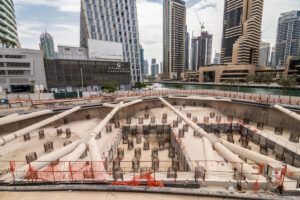
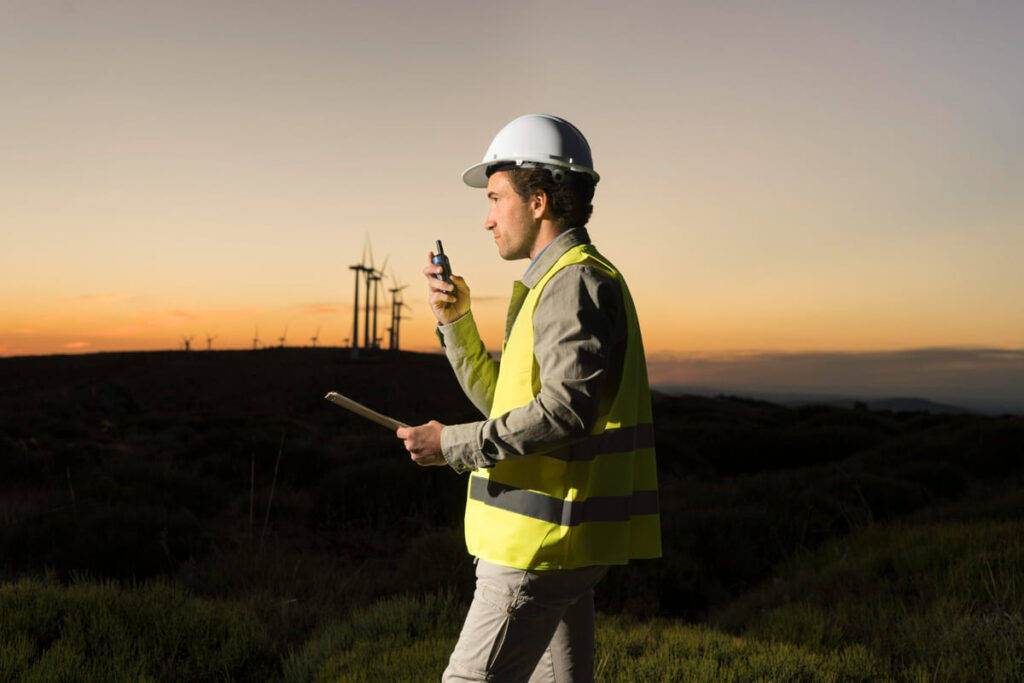
Modern construction sites are high-risk environments with hidden hazards. To keep projects safe and compliant, builders now rely on essential environmental sensor systems. These sensors continuously monitor factors like air quality, dust, noise, and vibration. For example, a city-center project discovered through sensors that dust spiked on dry afternoons and noise peaked during certain equipment use. Using that data, they adjusted their schedule and dust control, cutting neighborhood complaints by 30% and avoiding fines. Without sensors, such problems would have been noticed only after causing issues. This proactive approach shows why comprehensive environmental monitoring is indispensable on construction sites in 2026.
Table of Contents
7 Essential Environmental Sensors Every Construction Site Needs in 2026
1. Air Quality Sensors (Gas Monitors)
Air quality sensors measure pollutant gases from heavy equipment (e.g. carbon monoxide, nitrogen oxides, VOCs). Tracking these emissions in real time means managers can detect harmful fumes early and respond quickly. If a monitor detects a spike in CO around an excavation or confined area, the crew gets an immediate alert to improve ventilation or pause work. Air quality monitors thus prevent workers from inhaling dangerous exhaust and help the site stay within legal air pollution limits. Deploying these sensors has become standard practice to manage invisible pollutants on site and maintain a safe breathing environment.
2. Dust Particulate Monitors (PM Sensors)
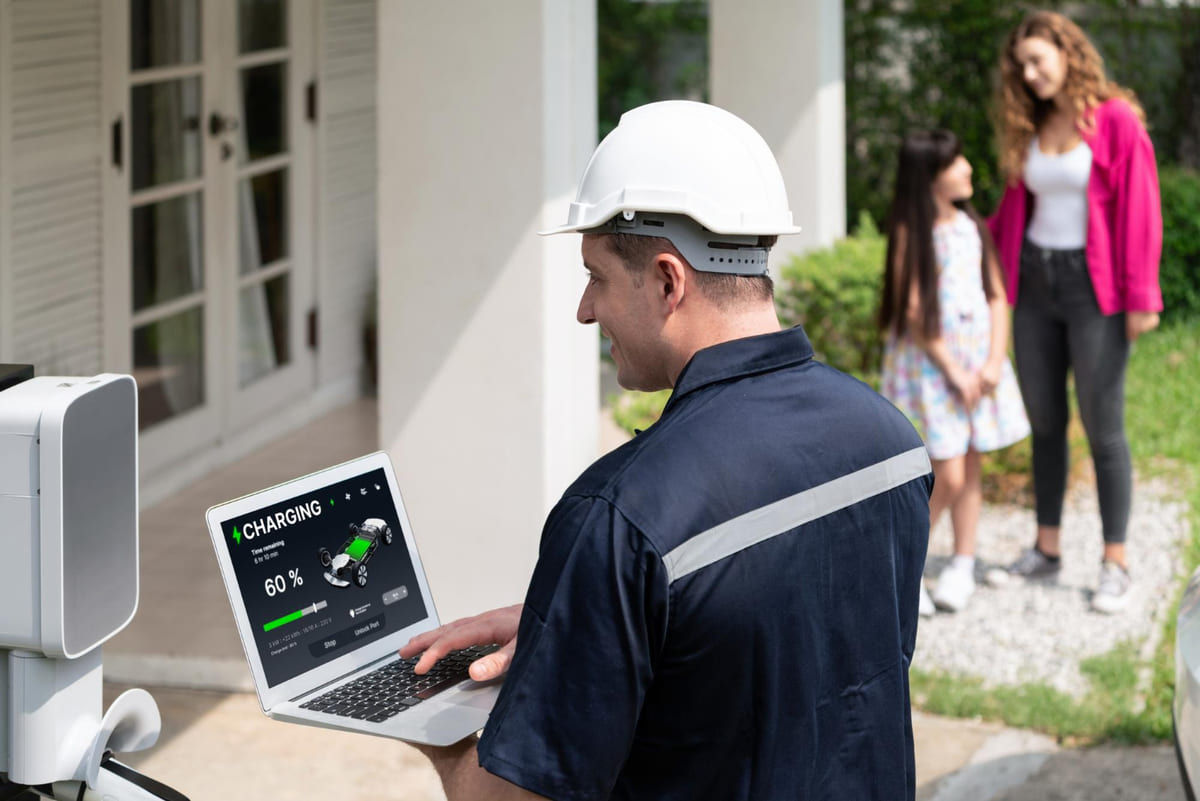
Cutting concrete, grinding, and demolition all generate dust. Dust monitors (for PM10 and PM2.5) continuously measure fine particles in the air. This is crucial because construction dust often contains respirable crystalline silica that can cause severe lung disease. Silica has strict exposure limits that only dedicated monitoring can effectively enforce. With real-time dust data, site managers can activate suppression measures (water sprays, vacuums, etc.) as soon as particle levels approach the threshold.
Many systems send automatic alerts when dust concentrations get too high. For example, on one large site, dust sensors warned that levels were rising on a windy day. The team immediately increased water spraying on exposed soil and rescheduled some dust-generating tasks. This kept air quality within regulatory limits and prevented health risks and complaints. Particulate monitors are essential environmental sensors for maintaining air quality and protecting workers’ lungs on active construction projects.
3. Noise Level Sensors (Sound Monitors)
Construction noise – from jackhammers, saws, and heavy machinery – can reach harmful levels. Noise level sensors around the site record decibel levels continuously. They serve two main purposes: protecting workers’ hearing and ensuring the project doesn’t violate local noise laws. Loud noise can cause hearing loss, so monitors show when levels exceed safe thresholds (~85 dB(A) over a sustained period) and prompt corrective steps.
For instance, if a sensor near a jackhammer crew reads too high for too long, the team can rotate workers more often or provide better hearing protection. At the site boundary, noise monitors ensure the construction stays within permitted noise limits for neighbors. If a perimeter sensor shows noise creeping above the ordinance level, the team can install temporary sound barriers or delay particularly loud work.
Example: A downtown site’s noise monitors revealed that early-morning pile driving exceeded the city’s limit. The contractor moved that activity to mid-morning and used sound blankets, preventing any noise fines. By 2026, using noise monitoring to keep construction activity in check with safety and community expectations has become an expected practice.
Suggested article to read: 5 Workers Monitoring Solutions in Construction Industry

4. Vibration Sensors (Ground Vibration Monitors)
Heavy construction activities like excavation, pile driving, and compaction send vibrations through the ground that can affect nearby structures. Vibration sensors (seismograph-type monitors) track these tremors and ensure they stay below set limits. Projects often establish vibration thresholds to avoid even cosmetic cracks or structural damage to adjacent buildings. Sensors will trigger an alarm if those limits are approached, giving the crew time to pause or adjust operations before any harm is done. This protects surrounding properties and prevents undue disturbance.
Scenario: During excavation for a subway tunnel, vibration monitors in a neighboring historic building showed readings nearing the allowable limit. Work was temporarily halted and methods were adjusted, preventing any cracks in the old structure. In 2026, most urban construction sites near sensitive structures employ vibration sensors as an early-warning system. The data proves that vibrations stayed within safe levels and helps avoid disputes over damage.
5. Weather Sensors (Wind and Rain Monitors)
On-site weather sensors – such as anemometers for wind and rain gauges – provide real-time data about changing conditions. Wind monitoring is especially important: high winds can endanger crane lifts and spread dust off-site. A wind speed sensor will alert the team when gusts reach critical levels so they can halt crane operations and secure materials. Knowing the wind direction also helps in placing dust screens or adjusting activities to minimize spread.
Rainfall sensors help manage stormwater and erosion. If a rain gauge shows a sudden downpour, the team reinforces erosion controls (tarps, silt fences) to prevent muddy runoff from leaving the site. Example: At a high-rise build, the site’s weather station detected wind gusts over 50 km/h. The manager immediately postponed a crane lift and tied down loose materials, averting an accident. This shows how weather sensors enable instant reactions to protect safety and compliance when nature is unpredictable.
6. Temperature and Humidity Sensors (Heat Stress Monitors)
Temperature and humidity sensors track ambient conditions to protect workers from heat stress or cold stress and to ensure certain construction processes stay within proper ranges. In hot weather, these sensors help calculate the heat index, indicating how dangerous conditions are for labor. If the heat index crosses a critical threshold, managers can enforce extra rest breaks, hydration, and shade, or even suspend heavy work during the hottest part of the day to prevent heat exhaustion. In freezing weather, sensors warn when conditions approach 0°C so the crew can provide warm-up breaks and protect materials (for example, cover concrete or use heaters).
Aside from safety, many materials like concrete or paint require specific temperature/humidity ranges to cure correctly. By monitoring climate conditions, teams can adjust timing or add climate control (e.g. heating an enclosure) to ensure quality. Use case: On a summer afternoon, a site’s heat sensor showed a heat index above safe limits. The project manager added a 15-minute break every hour and shifted some tasks to early morning, resulting in no heat-related illnesses. In another case, a winter project used temperature sensors to trigger overnight heaters, preventing concrete from freezing. By 2026, most projects use basic climate sensors as essential environmental sensors for worker health and consistent results.
7. Water Quality Sensors (Turbidity Monitors)
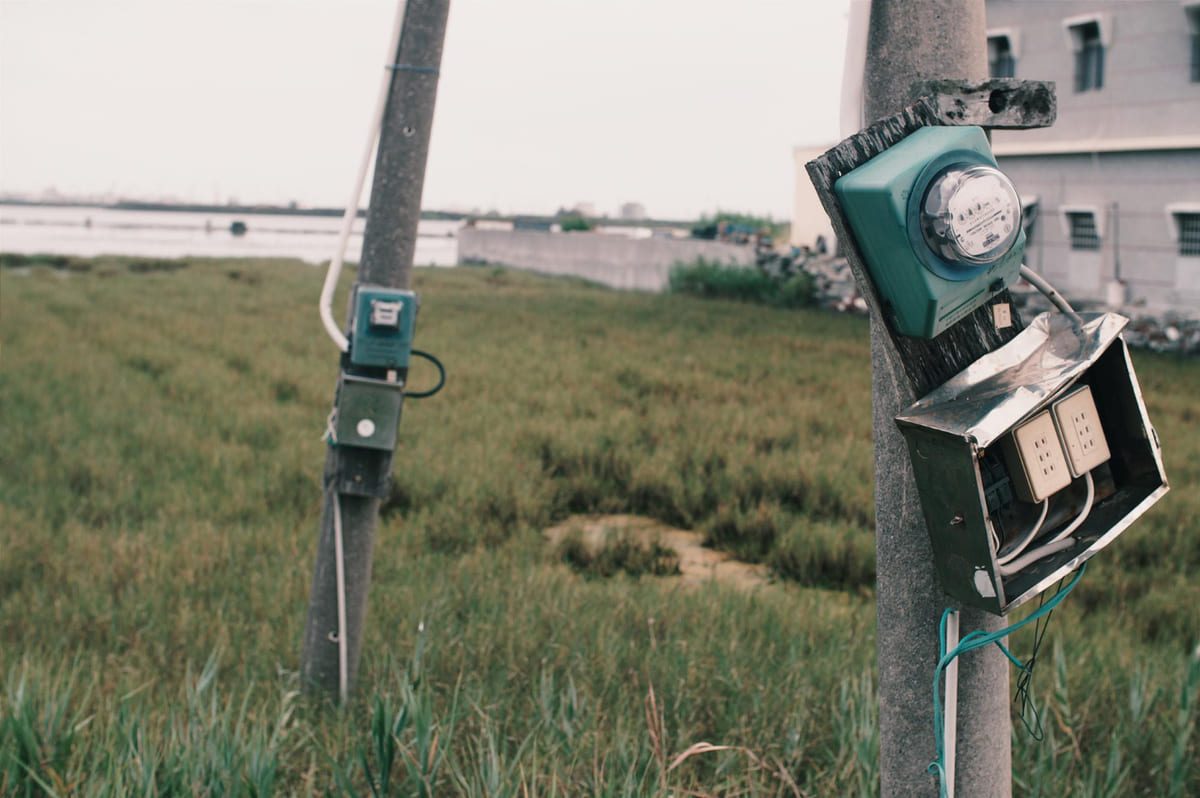
Preventing water pollution is a key part of construction site management, especially near rivers or storm drains. Water quality sensors, particularly turbidity monitors, measure how much sediment or silt is in the runoff water leaving the site. High turbidity means the water is carrying too much soil, which can harm waterways. By placing turbidity sensors at discharge points (like the outlet of a sediment basin), the site gets immediate feedback on water clarity. Many projects near sensitive waters continuously monitor turbidity during rains to ensure compliance with environmental permits. If a sensor shows muddy runoff exceeding the limit, the team can pause work and strengthen erosion controls or filtration before a small problem becomes a big violation.
Example: A road construction site by a river installed a turbidity sensor at its stormwater outfall. After heavy rain, the sensor indicated the runoff was much murkier than acceptable. The crew swiftly reinforced silt fences and added extra barriers, which brought turbidity back down and protected the river. Water quality sensors act as the site’s environmental guardians, catching issues so the team can respond in real time to keep local water clean.
FAQs
How do environmental sensors improve safety on construction sites?
They act as early warning systems. For example, air quality and dust sensors alert you to unhealthy fumes or particles so you can increase ventilation or misting before anyone is harmed. Noise monitors show when sound levels are too high, prompting you to provide hearing protection or reschedule noisy tasks. Vibration sensors warn if heavy work might damage nearby structures, allowing you to adjust methods. By turning hidden dangers into alerts, sensors enable timely actions that keep workers safe.
What noise level is considered safe during construction?
For workers, keeping continuous noise below 85 dB(A) over an 8-hour shift is generally considered safe. Prolonged exposure above that can damage hearing, which is why 85 dB(A) is often used as an action level for hearing protection. For the surrounding community, acceptable noise levels are usually lower. Many local rules aim to keep construction noise at around 65–75 dB during daytime at nearby properties (and even lower at night). Using noise sensors and mitigation (like mufflers and barriers) helps ensure the site stays within these limits.
Which environmental sensor is most critical for regulatory compliance?
It depends on the project, but dust monitors are often among the most critical. Airborne dust (especially silica dust) is strictly regulated due to health risks, so continuous particulate monitoring is key to staying compliant and keeping workers safe. Noise monitoring is also crucial in dense urban areas with strict ordinances. In practice, no single sensor covers all compliance needs – a combination is best. However, if your project involves a lot of demolition, concrete cutting, or earthwork, a dust particulate sensor would be a top priority to manage silica dust exposure.
Is it true that construction vibrations can damage nearby buildings?
Yes. If vibrations from construction are strong enough and not controlled, they can cause cracks or structural damage in adjacent buildings. That’s why projects near older or sensitive structures set vibration limits and use monitors. Vibration sensors will trigger alerts if the shaking approaches a dangerous level. This allows the crew to modify or stop the activity before any damage occurs. With proper monitoring and adjustments, construction vibrations can be kept below thresholds that would cause harm to neighboring buildings.
Conclusion
By 2026, using a full suite of environmental sensors has become fundamental to responsible construction. These seven sensor types – covering air quality, dust, noise, vibration, weather, climate, and water – give project managers immediate data on site conditions. With this information, teams can fix issues like excessive dust or noise right away, preventing accidents, health hazards, and community complaints. Each essential environmental sensor serves as a dedicated safeguard for its area of risk. Integrated into daily operations, they foster a proactive safety culture that protects workers, respects neighbors, preserves the environment, and keeps the project on track and in compliance.
Resources:
-
Nova Group Pacific. (2024). Effective Noise and Dust Mitigation Techniques for Construction Sites in Sydney.
-
SLR Consulting. (2023). Construction Vibration: How to Avoid Complaints, Delays, and Damage.
-
Occupational Safety and Health Administration (OSHA). (2017). OSHA Fact Sheet: Protecting Workers from Respirable Crystalline Silica.
-
Frontier Precision. (2019). Construction Site Water Quality Monitoring.
-
European Agency for Safety and Health at Work (EU-OSHA). (2021). Construction: Dust, Noise and Vibration Prevention.
For all the pictures: Freepik
Suggested article for reading:
7 Practical Steps to Implement Well-being Management in Construction Projects (Checklist + Timeline)
9 Worker Wellbeing Metrics Every Construction Firm Should Track in 2026
11 Psychosocial Risks on Construction Sites (and How ISO 45003 Helps You Manage Them)
6 Ways Construction Well-being Programs Reduce Incidents and Lower Insurance Costs
3 Steps to Build a Construction Well-being Strategy Aligned with ISO 45003