
The rise of digital twin sensor technology is transforming how projects in construction, manufacturing, and infrastructure are managed. A digital twin sensor system combines physical sensors with a virtual replica of a building, machine, or process, enabling constant monitoring of real-world operations. By feeding real-time sensor data into dynamic models, teams gain immediate insights—identifying issues early, optimizing performance, and making data-driven decisions.
Table of Contents
9 Digital Twin Sensor Applications Driving Real-Time Project Insights
1. Smart Building Energy & Asset Management
In facilities management, digital twins link building systems to detailed models. IoT sensors track temperature, air flow, occupancy and equipment status. For example, one campus deployed a digital twin of its labs: users could click any pump in the virtual model to see live voltage, current and flow readings. Analysis of these data revealed a misconfigured HVAC schedule; after adjusting it, natural gas use dropped ~50% in two months. Benefits include:
-
Remote monitoring: Teams see asset health and energy use in real time from anywhere.
-
Energy optimization: Twin analytics cut waste (in lighting, heating, etc.) while preserving occupant comfort.
-
Predictive maintenance: Early alerts from pump or boiler sensor data trigger timely repairs.
-
Balanced efficiency: Managers tune lighting and HVAC together to save energy without creating uncomfortable conditions.
Overall, building managers use sensor-driven twins to operate facilities smarter and greener on a tight budget.

2. Construction Project Monitoring
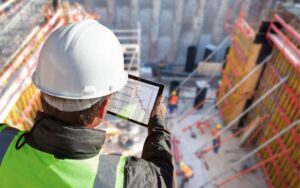
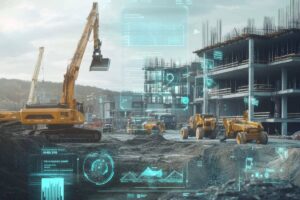
During construction, digital twin sensors give teams a live window into the site. Cameras, vibration meters and environmental sensors stream data to the project’s virtual model. In one retail buildout, a twin helped spot potential foot-traffic jams and HVAC inefficiencies early in design. On-site, the sensors catch safety or structural issues immediately. Key uses include:
-
Schedule tracking: Comparing actual progress (via crane trackers or material counters) to the model spot delays in real time.
-
Safety alerts: Sensors on scaffolds or supports detect tilt or overload, prompting evacuation or reinforcement.
-
Quality control: Scanning completed work versus design in the twin flags construction errors right away.
By continuously syncing the plan with physical reality, project teams fix problems on the fly and hand over a fully documented digital model to facility operators.
3. Industrial Manufacturing & Equipment
Factories rely on twin models of machines to optimize production. Sensors on robots, conveyors and furnaces feed live data into their digital twins. If a metric drifts beyond normal (say, rising vibration in a motor), the twin can alert engineers before a failure happens. An aerospace plant, for instance, runs a twin of its jet engine test stand to catch wear in turbine blades from temperature and vibration streams. Key impacts include:
-
Predictive maintenance: Servicing occurs only when sensors indicate need, slashing unplanned downtime.
-
Process optimization: Engineers test “what-if” changes in the twin (speeds, feeds, scheduling) to boost throughput.
-
Quality assurance: Comparing twin predictions to sensor outputs catches product defects or tooling issues immediately.
Modern manufacturers leverage sensor-fueled twins to keep production lines running efficiently and reliably.
Suggested article to read: Predictive Maintenance in Buildings; Ultimate Guide 2024
4. Transportation & Automotive
Connected vehicles create natural digital twins. For example, Tesla says each car’s sensors continuously stream performance and environment data to a cloud-based twin. The twin analyzes these feeds with AI: if a parameter is off, it triggers remote diagnostics or over-the-air fixes. In racing, digital twins run thousands of scenarios: McLaren F1 cars, with 300 sensors each, feed models that optimize tire changes and pit stops. Transportation twin benefits include:
-
Vehicle health: Mechanics access a vehicle’s real-time state remotely, scheduling service only as needed.
-
Fleet optimization: Operators use traffic and fuel sensor data in the twin to optimize routes and reduce costs.
-
Simulation testing: Autonomous vehicle software is validated in a digital twin environment before hitting the road.
By mirroring vehicles virtually, automakers and logistics companies keep their fleets efficient and safe.

5. Smart Cities & Infrastructure
Cities use digital twins for traffic, utilities and planning. Shanghai’s city-wide twin integrates live data from cameras and road sensors. Using this model, Shanghai cut rush-hour congestion by ~20%. The twin simulates traffic lights, bus routes and even weather to manage flow proactively. Other benefits:
-
Traffic control: Vehicle count and GPS data drive real-time adjustments to lights and signs.
-
Urban planning: New infrastructure projects are tested in the twin for impacts on commute times and energy use.
-
Environmental monitoring: Air quality and noise sensors feed the model, helping officials target pollution.
-
Emergency planning: The twin can mimic disasters (floods, blackouts) so responders optimize evacuation routes.
In this way, cities harness digital twin sensors to create smarter, more resilient infrastructure.
6. Energy & Utilities
Energy companies deploy digital twins across grids and plants. Sensor networks in power lines, substations and turbines feed a live grid model. For example, simulating the grid with real-time data lets operators “foresee disruptions like voltage spikes” before they cause blackouts. Wind and solar farms use twins too: Hitachi built twins from turbine telemetry, then used AI on that data to improve maintenance decisions. Key outcomes include:
-
Grid reliability: Real-time twin simulations balance supply and demand, reducing outages.
-
Renewable integration: Twin models manage variability from wind and solar, adjusting storage or backup resources on the fly.
-
Asset maintenance: Sensor alerts in the twin trigger upkeep on transformers or turbines before failures occur.
-
Efficiency gains: Operators run scenarios in the twin (different load or generation mixes) to find the cheapest, greenest way to meet demand.
Using sensor-enhanced twins, utilities boost uptime and accelerate the shift to clean energy.
7. Healthcare & Medical Devices
In healthcare, digital twins turn patient sensors and medical devices into personalized insights. One example uses a diabetic patient’s glucose monitor to feed their virtual twin. The twin watches sugar levels in real time and alerts when insulin is needed. Similarly, replicas of a patient’s heart let doctors simulate treatments safely. Applications include:
-
Patient monitoring: Wearable vitals (heart rate, activity, glucose) update the twin continuously for remote care.
-
Predictive treatment: Trends in the twin can signal an impending health event (e.g. arrhythmia), prompting preventive action.
-
Device oversight: Twins of pacemakers or MRI machines use sensor data to schedule maintenance or detect malfunctions.
By making medical data instantly actionable, twins help shift care from reactive to proactive.
8. Agriculture & Farming
Agriculture uses digital twins to manage fields, crops and livestock precisely. Soil moisture sensors, drones and weather stations feed farm twins that advise exactly when to irrigate or fertilize. Experts note that farms using these twins can reduce water and fertilizer use by ~30% while boosting yields by ~20%. Farmers even use digital copies of animals: each cow’s temperature and activity sensors update its virtual profile to spot illness early. Benefits include:
-
Precision irrigation: Sensor data in the twin ensures each crop zone is watered only when needed.
-
Livestock health: Real-time monitoring of individual animals detects issues before they spread.
-
Equipment uptime: Tractors and harvesters report usage stats to their twins, enabling proactive service.
-
Yield forecasting: Sensor-driven twins model crop growth to improve planning and timing.
Digital twins help farmers raise productivity and sustainability through data-driven decisions.

9. Supply Chain & Logistics
Supply chains gain visibility through sensor networks on goods and vehicles. A recent example was a cloud platform for supply chain twins: it aggregated IoT data so that tasks taking hours now took just minutes. Logistics teams can then test “what-if” scenarios (e.g. rerouting shipments if a port closes) and see impacts before acting. Key uses:
-
Real-time tracking: IoT tags update the twin on shipment locations, giving a live view of inventory.
-
Risk management: Twin simulations show how a delay or disruption will propagate, enabling contingency planning.
-
Inventory control: Warehouse sensors feed the twin to trigger restocking only when needed.
With a complete digital replica of the logistics network, companies turn sensor data into strategic agility.
FAQs
How do digital twin sensors improve project efficiency?
They provide a constant feedback loop: as sensors update the twin instantly, teams spot anomalies immediately. This means issues are fixed on the spot rather than discovered later, cutting delays and waste in projects.
What industries benefit from digital twin sensor technology?
Nearly any sector with physical assets. Common examples are construction and building management, manufacturing plants, energy and utilities, transportation, healthcare, agriculture and logistics. In other words, if sensors measure something, a digital twin can apply.
Is it true that digital twin sensors can predict equipment failures?
Yes. By continuously monitoring conditions like vibration or temperature, the twin detects subtle trends signaling wear or defects. When the data diverges from normal patterns, the model raises an alert. For example, rising engine vibration in the twin would prompt a bearing replacement before it breaks. This predictive alerting greatly reduces unplanned downtime.
Which components are needed to build a digital twin sensor system?
The main elements are: IoT sensors installed on the asset, a data/connectivity platform to gather and integrate the sensor streams, and the digital twin software (simulations and analytics). Sensors collect real-world measurements, the platform centralizes the data, and the twin software applies models and ML to generate insights.
Conclusion
Sensor-enabled digital twins are proving their value across diverse projects and industries. Each application above shows how real-time data from digital twin sensors converts into actionable insight—catching problems early, improving efficiency, and guiding decisions. By tightly integrating physical sensors with virtual models, teams move from guesswork to precise, data-driven control. In short, digital twin sensor systems transform streams of raw data into continuous project intelligence, enabling smarter, faster decision-making.
Resources:
Harvard Business School Publishing. (2016). Smart Cities Start with Smart Buildings.
Construction Management. (2019). Case study: Digital Twin Pilot Demonstrator Project, Cambridge.
Innowise. (2024). Digital Twin in Construction Industry: Benefits, Challenges & Use Cases.
AltexSoft. (2024). Digital Twins: Components, Use Cases, and Implementations.
Hitachi America. (n.d.). Digital Twins: The Key to a Smarter, Greener Energy Future.
MDPI. Johnson Z. & Saikia M.J. (2024). Digital Twins for Healthcare Using Wearables. Bioengineering, 11(606).
Toobler. (2022). Top 7 Real World Examples of Digital Twin Cities.
AltexSoft. (2024). Digital Twins: Technology, Use Cases, and Implementation Tips.
For all the pictures: Freepik
Suggested article for reading:
6 Examples of Robotic Bricklaying and On‑Site Assembly in Construction
10 Government Policies for Solar Panels into New Builds in 2025
5 Ways AI is Revolutionizing Asset Tracking and Management
6 Must-know AI Tools for Construction Managers
5 Real‑World Applications of BIPV: From Facades to Canopies
10 Ways of Integrating Digital Twin Technology with Fabrication Workflows