
Building-Integrated Photovoltaics (BIPV) refers to solar-electric materials that are integrated into a building’s envelope components (walls, roofs, windows, or canopies) rather than mounted externally. Applications of BIPV systems generate renewable electricity on-site while serving as building materials. Typical applications include PV windows, glazing, façade panels, roof shingles, canopies, and shading devices. In each case, the photovoltaic element replaces a conventional building component, adding both energy production and functionality.
Table of Contents
Facade Integration
Façade-integrated PV uses exterior walls and curtain-wall surfaces to harvest sunlight. Modules or PV glass panels in the façade generate electricity while also providing shading or insulation. For example, the new CFMEU Training & Wellness Centre in Melbourne features a double-skin façade with integrated PV panels. Advanced façade modules can mimic finishes like stone or wood, helping preserve design intent.
-
PV Cladding Panels – Opaque solar panels replace conventional wall cladding or spandrels, turning the wall into a power generator.
-
PV Glazing – Windows or glass walls with embedded solar cells that let in light while converting UV/IR to electricity.
-
Integrated PV Fins and Louvers – Vertical or horizontal PV elements that act as sunshades on façades, generating power and cutting cooling loads.
These façade systems have lower output per area than roof-mounted panels (vertical surfaces get less sun), but they use large wall areas and reduce heating/cooling loads. Architecturally, BIPV façades maintain a clean look: frameless PV glass and colored panels blend with curtain walls or mimic conventional materials.
Roof Integration
Rooftop BIPV replaces conventional roof coverings with photovoltaic materials. The roof or sections of it can be made of solar shingles, tiles, or integrated panels, providing weather protection and power simultaneously. Typical products include:
-
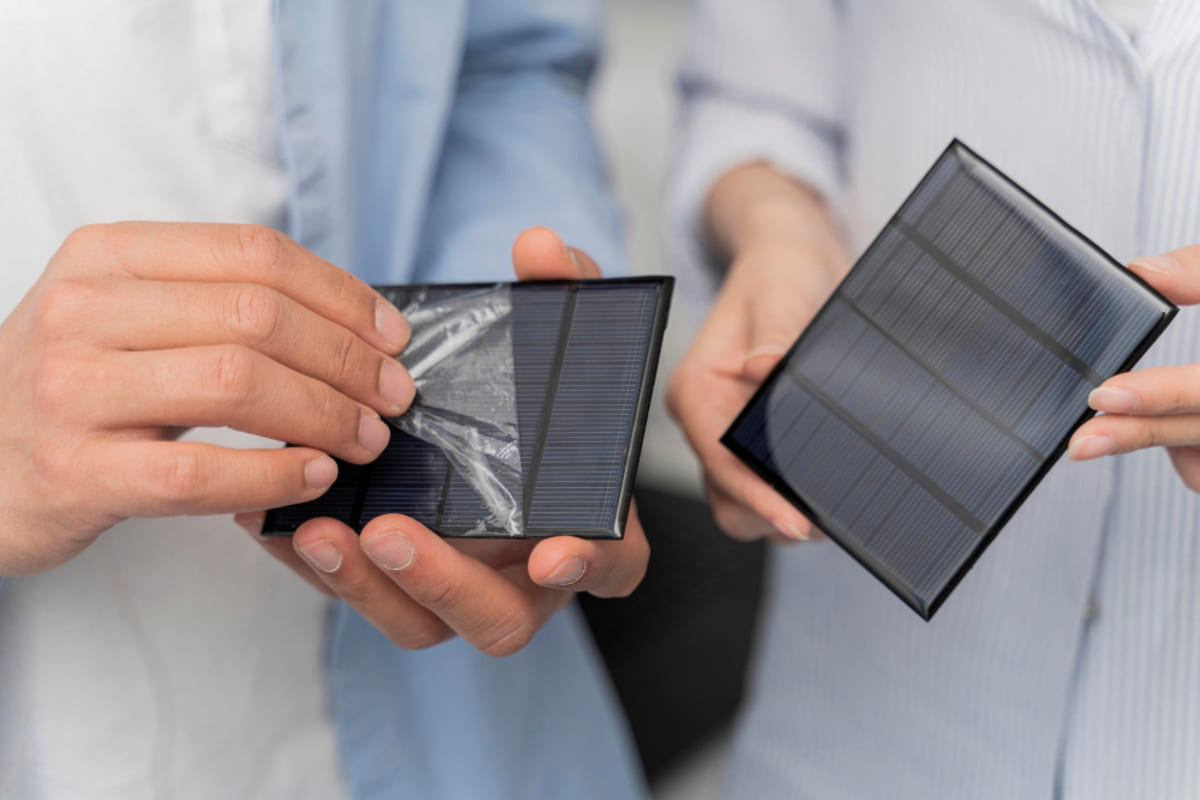
Solar Roof Shingles/Tiles – Solar cells laminated into roof tiles or shingles that look like conventional roofing. Crystalline silicon versions typically produce around 20 W per ft² (roughly 200 W/m²).
-
Integrated Flat Panels – For flat or low-slope roofs, PV laminates are set flush within the roofing membrane, yielding a sleek appearance with no visible panel frames.
-
Transparent/Translucent Skylight Panels – Sections of glass roof or skylights equipped with PV cells to generate power from daylight (often with perforations or spacing to admit diffuse light).
A notable example is a fruit-import logistics warehouse in Perpignan, France, where a 7-hectare roof was replaced with ~97,000 solar shingles. That BIPV roof (completed 2011) produces about 10.7 GWh per year (nearly 11 MW capacity). Such large-scale solar roofs can generate as much electricity as utility-scale solar farms while also providing insulation and weather protection. In residential contexts, products like Tesla’s Solar Roof embed PV cells into tempered glass tiles, combining power generation with a conventional roof appearance.
Suggested article to read: 6 Lightweight Rooftop Solar Panel Innovations for Commercial Buildings
PV Glazing and Skylights
Building-integrated PV glazing turns windows and skylights into solar generators. This includes semi-transparent solar glass and thin-film coatings mounted in window frames. These systems admit visible light while converting UV/IR into electricity. Key features include:
-
Solar Glass Windows – Glass units with embedded PV cells (often amorphous silicon or thin-film) that generate power. They provide daylight while reducing solar heat gain (low SHGC).
-
PV Skylights – Roof-mounted glass panels with PV. For example, the Novartis campus in Basel, Switzerland, uses dual-glass PV skylights and window modules (total ~1,300 m²) to produce 92 kWp.
-
Emerging PV Films – New materials (e.g. perovskite or organic solar cells) can be semi-transparent or tinted. These developments (13–26% lab efficiency) promise lightweight, tinted PV windows.
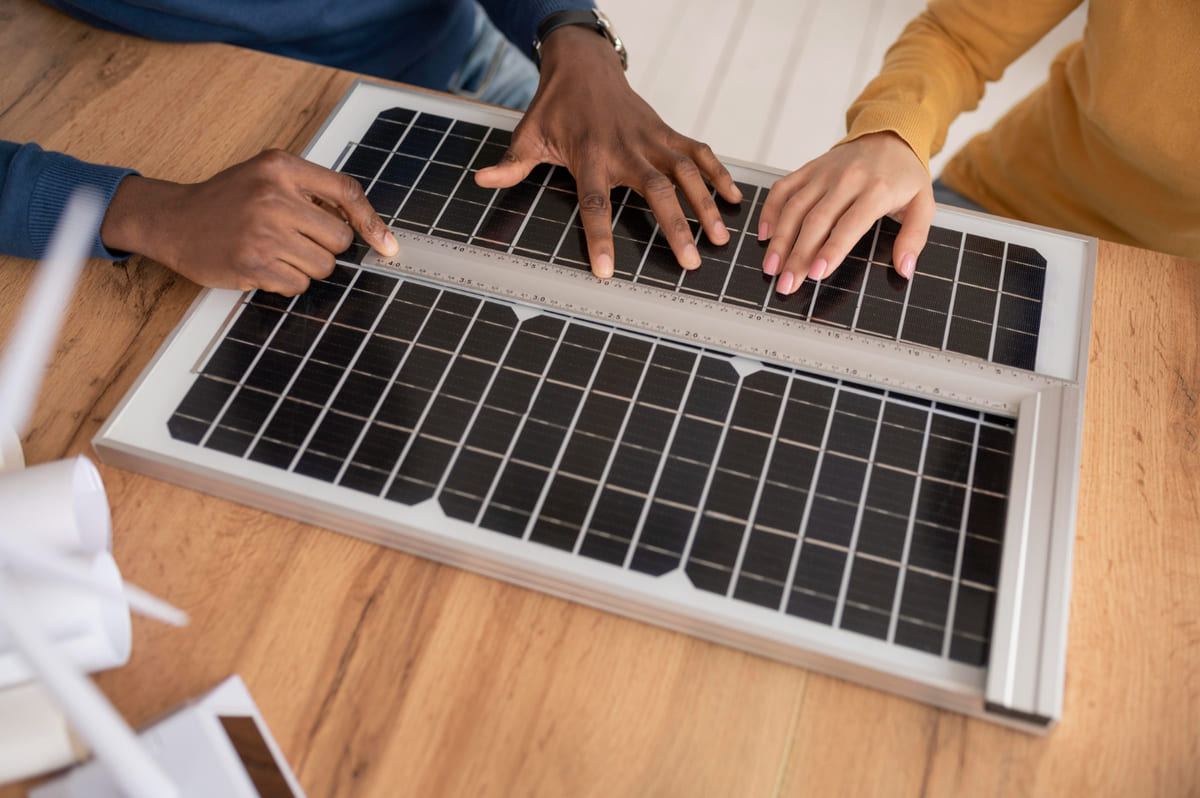
PV glazing yields less power per square meter than opaque panels, but it adds renewable generation without blocking daylight. For instance, the University of Washington’s Life Sciences Building used 650 m² of vertical PV fins (20% transparency) on its façade, generating about 496,885 kWh over 35 years. In greenhouses or atriums (e.g. the Aqua Ignis Hot Springs project in Japan), transparent PV glass admits plant-appropriate light while the system produces energy.
Solar Shading Systems
BIPV sunshades (louvers, screens, overhangs) combine passive solar control with power generation. Fixed or movable PV elements cover windows or façades to block direct sun. Well-designed shading can cut annual cooling energy by ~5–15%, while the PV coating generates electricity. Applications include:
-
External Louvers and Blinds – PV cells laminated on angled horizontal or vertical fins. For example, the UW Life Sciences Building’s PV fins produced about 3.15 W/ft² (34 W/m²) while shading the interior.
-
Overhangs and Awnings – Roof extensions or balcony shades with integrated PV. These protect openings from high-angle sun while capturing sunlight.
-
Dynamic Shading Panels – Automated BIPV louvers that adjust angle to track the sun, combining shade control with solar harvesting.
Such shading devices improve occupant comfort by reducing glare and heat gain, as well as generating useful power. They are especially effective on west- or south-facing façades in sunny climates.

Solar Canopies and Awnings
BIPV canopies are roof-like structures above open spaces that carry solar modules. Common uses include carport canopies, transit-shelter roofs, and entrance awnings. These structures provide shade or cover while producing power. Key benefits include:
-
Parking Lot Canopies – Elevated PV roofs over parking stalls. They supply shade for vehicles and generate electricity for lighting or EV charging.
-
Public Transit Shelters – Bus-stop or train station roofs with integrated PV powering signage and lighting.
-
Balcony/Entrance Awnings – Home or building overhangs covered in solar film or panels, using exterior wall exposure that might otherwise be unused.
Solar canopies make efficient use of horizontal surface area and can produce significant energy. For example, airports and university campuses often install BIPV carports to offset facility loads. Industry reports note that canopy installations deliver high return on investment due to dual use of space and reduced panel shading.
FAQs
How can BIPV improve energy efficiency in buildings?
BIPV improves efficiency by generating electricity on-site and reducing heat gain. Solar façades and windows produce power while acting as shading or insulation. For example, PV glazing yields electricity and lowers solar heat gain, reducing cooling load. Studies indicate a fully BIPV envelope could generate roughly 63–103% of its energy needs, making net-zero operation feasible.
What are the main applications of BIPV in modern architecture?
BIPV is applied to nearly every building envelope surface. Key applications include roofs (solar shingles/tiles), facades (PV cladding or curtain walls), glazing (PV windows and skylights), shading structures (PV louvers/awnings), and canopies (solar carports or entrance roofs). Each illustrates how buildings can integrate PV into their design and structure.
Which building envelope elements commonly incorporate BIPV systems?
Typical elements are roof surfaces, exterior walls or curtain-wall panels, windows, skylights, and overhangs. For example, a modern office might have PV glazing on its south façade, integrated solar tiles on its roof, and a PV carport canopy. A real-world example is the Novartis campus in Basel, which features photovoltaic skylights and window modules on its southern facade. Even balconies, walkways, and railings can use BIPV materials.
Is it true that BIPV can help achieve net-zero energy buildings?
Yes. With extensive integration, BIPV can supply a large share of a building’s power. Modeling studies suggest high-coverage BIPV envelopes can meet or exceed on-site energy needs. In practice, this means a well-designed BIPV building could operate at net-zero, thanks to combined generation from its roofs, walls, and glazing.
Conclusion
Building-integrated photovoltaics transform conventional building elements into renewable energy generators. Projects like the CFMEU Centre (Australia) and the Perpignan logistics hub (France) illustrate how BIPV can meet architectural and energy goals simultaneously. For example, the Perpignan warehouse’s BIPV roof (~10.7 GWh/yr) offsets grid electricity for thousands of homes. Overall, BIPV deployment is a significant advance in sustainable building design and energy efficiency.
Resources:
-
National Institute of Building Sciences. (n.d.). Building Integrated Photovoltaics (BIPV).
-
Compass-Intelle Engineering Group. (n.d.). CFMEU Training & Wellness Centre, Melbourne VIC.
-
Designboom. (2024). ClearVue’s Building-Integrated Photovoltaics (BIPV).
-
SunStyle. (2021). The world’s largest building-integrated photovoltaic (BIPV) power plant.
For all the pictures: Freepik
Suggested article for reading:
How Sensor Startups Reshaping the Future of Construction Monitoring 2025
7 Benefits of Transparent Solar Panels in Urban Architecture
Top 10 Sensor Companies Powering Smart Construction in 2025
5 Game‑Changing BIPV Technologies Powering Modern Buildings in 2025
Top 10 Asset Tracking Software Solutions for Businesses in 2025