
AI-powered construction management software uses advanced algorithms and data analysis to tackle the root causes of project slowdowns. By centralizing information and applying machine learning, these tools help construction teams identify scheduling risks, optimize resources, and keep work moving smoothly. For example, on one large project, AI-driven scheduling cut average schedule overruns by about 25–30%, thanks to the software’s ability to spot bottlenecks and adjust plans before delays set in. Below are five practical ways these systems prevent delays and keep construction timelines on track.
Table of Contents
5 Ways AI-Powered Construction Management Software Cuts Project Delays
1. Predictive Scheduling and Dynamic Planning
Traditional schedules often go off-track when unexpected issues occur. AI-powered software changes this by forecasting problems before they happen. Machine learning models analyze historical project data, labor availability, weather forecasts, and other factors to predict potential delays. The system can then automatically adjust schedules or flag risks for managers to review. For example, if heavy rain is predicted, the software might reschedule concrete pours to avoid idle crews. Key aspects include:
-
Historical data analysis: AI learns from past projects, identifying tasks or conditions that typically cause delays, and builds these patterns into new schedules.
-
Real-time adjustments: If a vendor falls behind on materials or a crew finishes early, the software reshuffles upcoming tasks on the fly to use time efficiently.
-
Scenario simulation: Teams can run “what-if” scenarios, letting the software explore millions of schedule variations. In one case, an AI-based scheduler helped a team recover a 29-day delay on a data center build by reallocating overtime and avoiding extra hires, saving about $32 million in potential revenue loss.
-
Resource balancing: The software can recommend adding or reallocating labor and equipment to critical tasks when delays are detected, preventing problems from snowballing.
Together, these capabilities create dynamic project plans that adapt as conditions change. Construction teams using AI scheduling often see much smaller overruns because problems are caught and resolved before they cascade.
2. Real-Time Monitoring and Progress Tracking
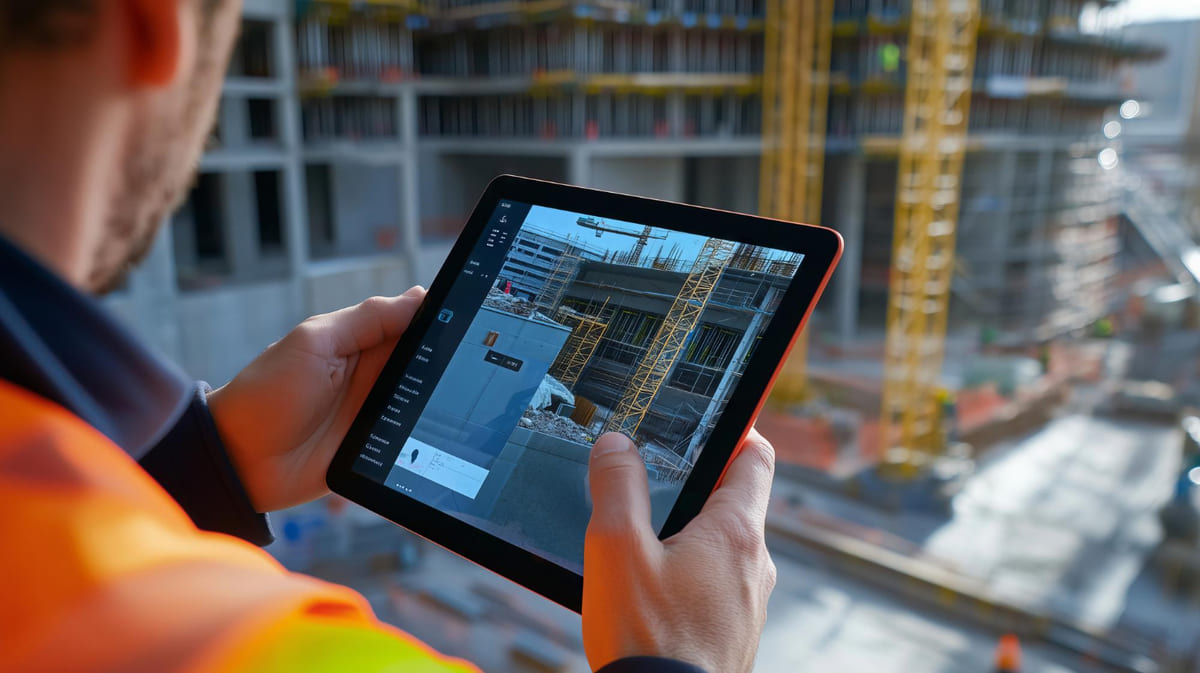
Delays often occur because issues aren’t caught on time. AI-powered systems fix this with continuous monitoring. Using technologies like computer vision, drones, or helmet-mounted 360° cameras, software compares actual progress against the digital schedule or model and alerts managers immediately when there’s a deviation. For example:
-
Visual progress comparison: Cameras or mobile devices capture work in progress, and AI automatically compares it to the BIM model. If a crew is late finishing a wall or an area is not built as planned, the system flags it so adjustments can be made right away.
-
Automated reporting: Instead of waiting for manual updates, the software ingests real-time data (hours logged, materials used, tasks completed) and detects trends. A field tool might recognize that drywall work is slower than expected and notify the team to investigate causes before the next milestone slips.
-
Early issue alerts: By tracking equipment usage, worker attendance, or material deliveries in real time, the software identifies anomalies (e.g. a delayed delivery or an unexpected idle period) and raises alerts. Managers can then fix the issue on the same day instead of losing a week.
In practice, firms using real-time tracking report fewer surprises. In one case, combining site cameras with AI detection yielded a 15% improvement in on-time milestone delivery, since project leads could reassign resources the moment a delay risk emerged. This “on-the-fly” visibility turns delays into minor schedule tweaks rather than project halts.
Suggested article to read: Top 7 Reusable Materials in Construction; 2025 Review
3. Intelligent Resource and Material Optimization
Many delays start with supply chain or resource issues. AI-powered software tackles this by optimizing materials and manpower planning:
-
Supply chain forecasting: Machine learning analyzes past orders, lead times, and vendor performance to predict material needs. The system suggests ordering schedules and suppliers to minimize the chance of a late delivery. For instance, if a steel supplier often runs behind schedule in winter, the software might order earlier or find an alternate supplier proactively.
-
Just-in-time inventory: AI calculates exactly how much material is needed for upcoming tasks, preventing both shortages (which halt work) and excess stock (which tie up space and money). Fewer stockouts mean fewer idle crews.

-
Labor optimization: The software ensures crews are assigned efficiently. If one task finishes early, AI might reassign workers to another critical area. Conversely, if labor is underutilized, it automatically flags tasks that can be pulled forward.
-
Subcontractor coordination: Advanced platforms analyze subcontractor performance data to flag potential delays. If a subcontractor historically falls behind on electrical work, the system adjusts the schedule or buffers time for that trade ahead of time to prevent ripple effects.
By automating procurement and resource allocation with AI insights, teams avoid many common delay triggers. In one airport expansion, predictive analytics helped identify and mitigate a potential supply bottleneck, keeping the project on schedule despite global disruptions.
4. Predictive Maintenance and Equipment Management
Equipment breakdowns are a classic cause of delays. AI-enhanced maintenance prevents these unplanned stops by predicting failures before they occur:
-
Sensor-based monitoring: Heavy machinery and tools are fitted with IoT sensors that stream data to AI algorithms. Metrics like vibration, temperature, and hours of operation are analyzed to spot patterns indicating wear. The system then predicts when maintenance is needed.
-
Automated alerts: Managers receive alerts well before a breakdown. For example, if a crane’s motor temperature is trending high, AI might recommend a check-up during the next scheduled break, averting an unexpected halt.
-
Optimal usage planning: Some AI tools optimize equipment use in real time. For instance, a crane AI may adjust lifting sequences to maximize efficiency and prevent overstrain. One construction company using an AI-driven crane monitor reduced critical-path crane installation time by about 30%, speeding up the assembly of structural elements.
-
Extended asset life: By avoiding abuse or overheating of machines, AI maintenance extends equipment lifespan. This prevents delays due to having to rent replacements or scramble for backups.
When machines run smoothly, work flows uninterrupted. Studies show that predictive maintenance in construction significantly cuts emergency repairs and downtime, meaning projects hit their schedules more reliably.
5. Automated Design Review and Data Integration
Finally, many delays originate from design issues or miscommunication. AI-powered management software addresses this by ensuring data consistency and automating checks:
-
AI design clash detection: During preconstruction, the software can automatically scan digital designs (BIM models, CAD drawings, or PDFs) to find conflicts or missing information. Cloud-based AI review tools catch issues like misaligned duct runs or missing wall dimensions in minutes instead of weeks. This means less rework in the field and fewer RFIs (requests for information) holding up crews.
-
Centralized information hub: AI platforms integrate data from all project systems – plans, schedules, invoices, etc. – creating a single source of truth. Everyone from the architect to the onsite foreman accesses the same updated plan. Changes (such as scope updates or design revisions) propagate through the system automatically. Teams see the latest data without confusion, preventing errors that cause work to stop.

-
Automated reporting: AI can generate routine reports and alerts automatically. For example, it might summarize weekly progress variances or highlight tasks without assigned resources. Project leads get concise insights without sifting through spreadsheets, so they can address problems early.
-
Enhanced collaboration: Some AI systems offer natural-language interfaces (chatbots or voice assistants) that allow field workers to query schedules or report issues on the go. This ensures important information is not lost between office and site teams.
By linking all project data and using AI to check it, teams dramatically cut down on missteps that normally cause delays. In global projects like major rail or airport builds, adopting AI-led document control and communication practices has been shown to reduce schedule slippage by catching issues before work even begins.
FAQs
How does AI-powered construction management software reduce project delays?
AI-powered construction management software analyzes data from past and current projects to predict and avoid delays. It can automatically adjust schedules, optimize resources, and alert managers to emerging issues. By catching risks early, it helps teams take corrective actions before delays occur, keeping projects on track.
What features of AI construction management tools help prevent schedule overruns?
Key features include predictive scheduling (using machine learning to forecast bottlenecks), real-time progress monitoring (with sensors or cameras to track work), and intelligent resource allocation (adjusting labor and materials on the fly). Together, these functions minimize idle time and prevent small issues from turning into big delays.
Which AI technologies are commonly used in construction management to avoid delays?
Construction management software often uses machine learning for predictions, computer vision for on-site monitoring, and natural-language processing for automated reports and document checks. IoT integration and predictive analytics are also common, enabling the system to learn from data, analyze sensor readings, and forecast problems before they happen.
Is it true that AI-powered construction management can improve project scheduling?
Yes. AI tools enhance scheduling by continually updating plans based on actual progress and by simulating different scenarios. This leads to more accurate timelines. Many companies report noticeably better on-time performance after adopting AI-assisted scheduling and monitoring, as the software helps them adapt instantly to changes and delays.
Conclusion
AI-powered construction management software transforms how projects stay on schedule. By forecasting risks, monitoring work in real time, optimizing resources, and automating tedious checks, it removes many causes of downtime. Real-world projects around the world demonstrate that firms using these tools complete far more work on time. For example, AI-based scheduling algorithms that continually recalibrate plans can reduce typical delays by a quarter or more, while integrated data platforms prevent miscommunications that otherwise stall crews. In short, the combined power of predictive analytics, computer vision, and data integration helps construction teams build smarter and finish faster.
Resources:
Construction Dive. Burke, W. (2025). Revolutionizing construction: AI’s role in reducing project delays. Construction Dive.
BuildPrompt. (2024). Lessons Learned Case Studies: Major Infrastructure Projects.
CMiC Global. (2023). How AI-Powered Forecasting is Reducing Construction Delays.
ALICE Technologies. (2023). $32M Saved: Data Center Project Overcomes 29-Day Delay with ALICE.
ALICE Technologies. (2023). General Contractor generates >$25MM in savings on highway project.
StruxHub. (n.d.). The Role of AI in Predictive Maintenance for Construction Equipment: What Superintendents Need to Know.
Togal.AI. (n.d.). How to Boost Construction Site Collaboration and Communication.
ServiceTitan. (n.d.). AI in Construction: What You Need to Know in 2025 and Beyond.
For all the pictures: Freepik
Suggested article for reading:
8 Important Concrete Dashboard Metrics: Maturity, Thermal Differential, Crack Risk & Beyond
5 Sustainability from Concrete Monitoring Platforms Delivered on Modern Sites
Top 7 Concrete Monitoring Platforms Accelerating Curing & Cutting Rework in 2025
7 Air-Quality Platforms Construction Teams Use to Stop Dust & Silica from Delaying Projects