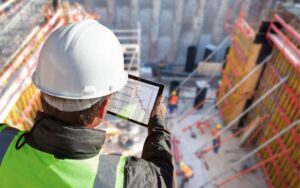

Construction worksites are high-risk environments where accidents and health issues are common. Every injury can mean costly downtime and higher insurance premiums. A well-designed Construction Well-being Program addresses this by integrating safety, health, and support initiatives into daily operations. For example, one large contractor saw recordable incidents drop by over 80% after introducing proactive safety and wellness measures. Fewer accidents translate directly into reduced workers’ compensation claims and lower insurance rates.
Table of Contents
6 Ways Construction Well-being Programs Reduce Incidents and Lower Insurance Costs
1. Build a Proactive Safety Culture
A cornerstone of any well-being program is a shift from reactive to proactive safety. Regular safety training and clear protocols make workers alert to hazards before accidents occur. Sites may hold daily or weekly safety huddles where crews review potential risks and reinforce best practices. For instance, one study noted that combining innovation with proven safety practices – like daily briefings and strict personal protective equipment (PPE) enforcement – significantly improves safety culture and reduces incidents.
Over time, such programs encourage every team member to identify and fix hazards. Fewer accidents also mean fewer claims: when safety programs prevent injuries, a company’s workers’ comp claims drop, which typically lowers the firm’s risk rating and insurance premiums. In effect, promoting a watchful, team-oriented safety environment pays off in both human and financial terms.
2. Promote Physical Wellness and Ergonomics
Construction tasks demand strength, flexibility, and endurance. A well-being program often includes fitness and ergonomic training to keep workers physically prepared. This may involve on-site stretching routines, lifting technique workshops, and strength-building exercises. Such efforts directly prevent common musculoskeletal injuries (sprains, strains, back pain) that cause lost work days. In fact, ergonomics initiatives are proven to “reduce the number and severity of work-related musculoskeletal disorders”.
For example, hiring athletic trainers or occupational health nurses to work alongside crews is “a proven way to reduce injuries before they happen”. These professionals teach proper body mechanics and can quickly address minor aches before they become serious. The result is a stronger, more resilient workforce with fewer strain-related accidents. Healthier bodies on the job mean less time off and lower compensation costs, further reducing insurance expenses.

3. Support Mental Health and Stress Management
Construction is mentally demanding. Long hours, tight deadlines, and physically stressful work can lead to fatigue, distraction, and high stress – factors that increase accident risk. A robust well-being program explicitly addresses mental health, giving crews tools to cope with stress and fatigue. This can include awareness training so that supervisors recognize warning signs, anonymous counseling, peer-support champions, and stress-management workshops. When workers learn to manage fatigue and pressure, they make safer decisions on the job.
Insurers and researchers acknowledge this link: “By fostering a culture where mental wellness is prioritized, construction employers can reduce safety incidents, improve team cohesion and enhance job satisfaction”. In practice, crews with access to mental health resources report fewer errors and “near misses,” because workers are less distracted by stress. Lower stress also improves focus and reaction time. In short, caring for minds as well as bodies on-site reduces the chances of mistakes that lead to injuries, cutting both incidents and the associated insurance claims.
Suggested article to read: Safety First (2025): Enhancing AI and Sensors in Construction Safety
4. Provide On-Site Health Services and Early Intervention
A key feature of many well-being programs is bringing health services directly to the worksite. On-site medical professionals – such as nurses, paramedics or first-aid technicians – can treat minor injuries immediately and identify health problems early. Construction employers often provide mobile health clinics or wellness carts that travel to job sites. These resources allow quick screenings (blood pressure, hydration status, ergonomic check) and even simple treatments (ice packs, bandages). For example, construction associations note that enabling quick response through on-site medical staff has “proven successful in mitigating multiple workplace hazards – from injury to burnout”.
Immediate care means small issues don’t escalate into days-off injuries. It also helps monitor workers for fatigue or heat stress before collapse. On-site professionals also keep detailed records of injuries and health checks. Over time, this lowers the company’s experience modification rate (EMR) – a key factor in insurance pricing. In practice, firms with embedded medical services report that their EMR and claims rate decline as risks are caught and corrected faster.

5. Leverage Data and Technology for Safety Monitoring
Modern well-being programs increasingly use technology to keep workers safe. Wearable sensors, smart PPE, and site-wide IoT devices collect real-time data on worker health and environmental conditions. For example, smart vests or wristbands can track a worker’s heart rate and alert supervisors if a person shows signs of heat stress or exhaustion. Other sensors can detect if someone has had a fall, or if a worker remains motionless for too long, allowing instant rescue. Analyzing this data helps managers spot patterns: perhaps one task causes frequent strain injuries, or a certain shift has more fatigue-related incidents. Addressing these findings proactively prevents accidents before they happen.
Industry experts note that such real-time monitoring and alerts “help prevent accidents and reduce response times in emergencies”. In addition, safety management software logs training completion, incident reports, and equipment inspections. Insurers favor this documented approach: companies using comprehensive safety software often achieve EMR scores 15–20% below industry average, saving thousands in premiums. In other words, data-driven programs make sites safer and demonstrate to insurers that risk is being managed carefully.
6. Use Metrics for Continuous Improvement and Insurance Savings
Finally, the best well-being programs treat safety as an ongoing process. They set clear targets (e.g. reduce total recordable incident rate) and review progress regularly. By tracking metrics like injury frequency, days lost, and compliance rates, teams identify trends to address. In practice, top-performing construction firms using proactive safety measures see their incident rates drop dramatically – up to 81% lower than the industry norm. Each drop in injuries further lowers the company’s claim costs. And when metrics improve, insurers take notice. They underwrite using factors like the Experience Modification Rate (EMR) and total recordable incident rate (TRIR).
A well-maintained safety and wellness program will document improvements in these indicators, which typically leads to lower premiums. For example, demonstrated reductions in minor injury rates and strong training records signal to insurers that a company is low-risk. In sum, a continuous feedback loop – learning from incidents, refining training, and leveraging data – not only keeps sites safer over time but also delivers measurable insurance cost savings.

FAQs
How does a Construction Well-being Program improve jobsite safety?
A well-being program combines safety training with health support. It teaches workers to recognize hazards, uses tools (like wearables) to monitor risks, and provides medical resources on-site. These elements work together to prevent accidents: for example, fitness and ergonomic training keep bodies strong, while stress management and fatigue monitoring help minds stay sharp. Together, these measures reduce mistakes and injuries.
What should a construction well-being program include?
Effective programs mix preventive and support measures. Common elements are regular safety trainings and meetings, fitness or stretching routines, ergonomic assessments, and mental health resources (like peer counselors or stress workshops). Many programs also provide on-site health services (nurses or clinics), wellness breaks (hydration and rest areas), and technology (sensors or apps) to track safety metrics. Each component helps keep workers healthy and alert.
Which metrics show that a well-being program is working?
Key indicators include lower injury and lost-time rates, fewer workers’ comp claims, and reduced experience modification (EMR) scores. Companies track total recordable incident rate (TRIR) and days-away-from-work cases before and after the program. If those drop, it’s a sign of success. Insurers also look at training completion and compliance records. Improved scores on these metrics usually lead to better insurance terms.
Is it true that well-being programs can lower insurance premiums?
Yes. Healthier, safer workers file fewer and less severe claims. When a contractor’s injury frequency and severity decrease, insurers view them as lower risk. This is reflected in a lower EMR and often translates to reduced premiums. In practice, firms that implement robust wellness and safety programs often see savings of many thousands of dollars on insurance each year.
Conclusion
In a nutshell, a comprehensive Construction Well-being Program makes job sites safer and insurance bills smaller. By combining proactive safety training, physical fitness and ergonomic care, mental health support, on-site medical services, and smart use of technology, companies can dramatically cut injuries. Fewer accidents mean fewer claims, which directly translates to lower workers’ compensation and liability insurance costs. Over time, the program’s documented success earns better insurance ratings (lower EMR and TRIR).
In practice, employers that invest in worker well-being often see the benefits in both human and financial terms. The key is integration: treating health and safety as linked goals. When well-being initiatives are built into every project and every schedule, workers stay healthier and incidents drop – a winning outcome for everyone.
Resources:
Chubb Ltd. (2025). Situational Awareness for Mental Wellness in Construction.
Construction Management Association of America (CMAA). (2024). Boosting Retention and Recruitment Through a Modern Wellness Program.
Gallagher Bassett Services, Inc. (2025). The Role of Wearables and the IoT in Enhancing Construction Site Safety.
Mobile Medical Corporation. (2025). Occupational Health and Safety in Construction: Customizable On-site Medical Services. Available at:
U.S. Department of Labor (OSHA). (n.d.). Ergonomics – Overview. Available at: https://www.osha.gov/ergonomics.
KYRO AI, Inc. (2024). 5 Ways Construction Safety Management Software Reduces Insurance Premiums and Claims Costs. Available at: https://kyro.ai/blog/5-ways-construction-safety-management-software-reduces-insurance-premiums.
For all the pictures: Freepik
Suggested article for reading:
7 Ways the Digital Product Passport (DPP) Will Change Construction Procurement in 2026
9 DPP Requirements for Construction Materials (How to Prepare Your Product Data)
5 Tools & Workflows to Create a DPP for Building Products (BIM, QR, LCA Integration)
8 DPP Use Cases That Will Speed Up Green Building Certification (BREEAM, LEED & Beyond)
11 Business Risks if You Ignore the DPP in Construction (Market Access, Fines & Tender Losses)