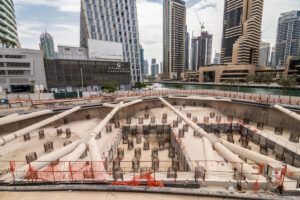

Construction sites pose many well-known physical dangers, but social and organizational factors – the psychosocial risks – are critical too. These include how work is designed, managed, and how people interact. For example, heavy workloads, unclear roles, and poor communication can increase stress, leading to accidents or health issues. Even things like harassment, long hours, or constant change can erode morale and safety. Ignoring these factors can make workers tired or anxious, reducing focus on safety.
ISO 45003 (2021) provides the first global guidance on managing psychological health and safety at work. It fits with ISO 45001 and helps identify hazards like unrealistic deadlines or bullying, assess their impact, and plan controls as rigorously as any physical risk. In practice, following ISO 45003 means consulting crews about stressors, setting clear job expectations, and monitoring mental health just like equipment inspections. These steps can pay off: one construction team that reorganized schedules to avoid chronic overtime saw stress-related absences drop significantly in weeks. Of course, it is important not to address any single issue alone – a healthy workplace balances all these factors together.
Table of Contents
11 Psychosocial Risks on Construction Sites
1. High Workloads and Tight Deadlines
Construction projects are notorious for tight schedules and heavy workloads. When crews are overloaded with tasks or pressured by unrealistic deadlines, anxiety and fatigue rise. Workers may rush or skip safety steps, increasing accidents and injuries. This psychosocial hazard can also spill into private life: workers thinking “I’ll just finish this overtime” find their personal time eroded, leading to burnout. One contractor found that crew members working 60+ hours a week reported 30% more safety incidents than those on normal schedules.
To manage this, ISO 45003 recommends balancing workload. Controls include:
-
Assessing job demands: Survey teams regularly about task volume and pace.
-
Scheduling breaks: Build rest periods and reasonable shift lengths into planning.
-
Realistic planning: Set deadlines with input from field crews, allowing buffer time.
-
Resource allocation: Add staff or stagger tasks when projects run behind.
By following ISO 45003 guidance to analyze tasks and share the burden, companies keep projects on time without overworking people. For instance, one builder spread a project’s tight deadline across more teams after consultation. Within a month the crew stopped needing the extra overtime, and morale improved, because work was spread more fairly.

2. Long and Irregular Hours
Construction often requires long shifts, night or weekend work, and sudden schedule changes (for weather or deliveries). Irregular hours and extended shifts disrupt sleep and family life, causing fatigue and stress. A worker driving heavy equipment at 2 a.m. is more prone to error or injury than one on a day shift. Over time, chronic sleep loss and shift “jet-lag” can raise health risks and mistakes on site.
ISO 45003 advises organizations to review work schedules as part of risk planning. Controls may include:
-
Monitoring hours: Track overtime and night shifts; limit consecutive long shifts.
-
Flexible rotas: Rotate night work fairly and allow for recovery days.
-
Advance notice: Communicate shift changes as early as possible to reduce uncertainty.
-
Fatigue management: Provide training on sleep health and recognize fatigue warning signs.
One construction manager applied these steps and cut double-shifts by 50% over two months. Crews reported feeling less exhausted, and near-misses fell. This illustrates how planning schedules with workers’ well-being in mind – an ISO 45003 principle – leads to a safer, more productive site.
Suggested article to read: 30 Crucial Safety Solutions for Managing Hazardous Building Sites in 2025
3. Role Ambiguity and Task Conflict
Construction sites bring together many trades (carpenters, electricians, engineers) under one schedule. If roles and responsibilities are unclear, workers can end up stepping on each other’s toes or missing critical steps. For example, two teams might assume the other will secure a scaffold, leading to gaps in safety. Ambiguity can also mean changing instructions: one day a worker is told to do “whatever keeps things moving,” and the next day the same task is criticized for being unneeded.
According to good psychosocial practice, such role confusion must be corrected. ISO 45003 suggests:
-
Clear job descriptions: Document who is responsible for each task and share it on site.
-
Consistent communication: Hold daily briefings where supervisors clarify assignments.
-
Conflict resolution: Set up a protocol for workers to report and resolve task conflicts quickly.
-
Worker involvement: Invite crew feedback on their responsibilities to catch confusion early.
Putting these into place improved clarity for a team after a project reshuffle. Within weeks, workers knew whom to ask if duties overlapped. The construction company followed ISO 45003 advice by having foremen and workers jointly update task lists daily. This eliminated the previous 10% slip in performance caused by rework, showing how fixing role clarity makes a site run smoothly.
4. Low Autonomy and Control
On-site labor often has very little say over schedules, work methods, or tools – everything is dictated by plans and managers. When people feel powerless over their work, stress and job dissatisfaction rise. For instance, an apprentice told to keep doing the same task quickly at all costs will feel frustrated, and may lose focus or motivation. Lack of control can contribute to anxiety and even errors.
ISO 45003’s framework highlights giving employees a voice. Ways to boost control include:
-
Participative planning: Involve workers in daily planning meetings.
-
Flexible methods: Allow experienced workers to suggest better work techniques.
-
Input on changes: Consult teams before altering schedules or methods drastically.
-
Empower decision-making: Define clear limits so crews can make certain on-the-spot safety or minor planning decisions without jumping through hoops.
In practice, one general contractor used ISO 45003-style staff workshops to redesign a concrete-pouring schedule. The crew proposed a slower but more comfortable workflow. Management accepted the idea, and within a month mistakes from rushing had dropped by 40%. This example shows how even modest increases in worker autonomy can improve safety and quality.
5. Job Insecurity and Precarious Contracts
Many construction workers are hired per-project or subcontracted, so employment can be temporary. The stress of not knowing if or when the next job will come is a serious psychosocial risk. Workers juggling bills, rent, or family needs while waiting for new contracts face chronic anxiety. Even skilled laborers worry that fluctuating workload means unemployment in the near future.
ISO 45003 addresses organizational factors like this by promoting clear communication and fairness. Mitigation strategies include:
-
Transparent policies: Explain how layoffs or contract endings will be handled.
-
Regular updates: Keep workers informed about project timelines and future prospects.
-
Support services: Offer referrals to re-employment resources or training when projects wind down.
-
Fair contracts: Where possible, use predictable, longer-term agreements or renewable contracts.
A construction firm that began discussing project pipelines monthly (rather than when contracts expired) found that workers felt more confident about their future. Employees reported 25% less anxiety about job loss after management implemented ISO-aligned briefings. Although uncertainty remained, simply being informed helped workers plan ahead, reducing stress and turnover.

6. Rapid Organizational Changes
Construction projects can change abruptly: designs are updated, budgets revised, or entire scopes shifted. While change is sometimes necessary, poorly managed change causes worry. If re-assignments or new processes are sprung on crews without warning, morale suffers. Workers may feel they lack support or that “nothing is stable,” breeding frustration.
ISO 45003 emphasizes planned change management. Useful measures include:
-
Advance notice: Give staff as much warning as possible about upcoming changes.
-
Explain reasons: Clearly communicate why changes are needed (safety, budget, etc.).
-
Support through transitions: Offer brief retraining or supervision during adjustment periods.
-
Feedback loops: Check in with teams about how changes are impacting them and adjust plans accordingly.
For example, after an unexpected switch in subcontractors, one site manager held daily Q&A sessions. This open forum aligned with ISO recommendations for involvement. Workers felt heard and understood the new processes. In less than two weeks, confusion from the change had largely dissipated. This demonstrates that treating organizational change as a psychosocial risk – not just a logistical issue – leads to smoother transitions.
7. Poor Communication and Team Dynamics
Clear communication and good team relationships are essential on a construction site. If supervisors withhold information or coworkers gossip, misunderstandings arise. For instance, one foreman might tell two crews different start times, causing conflict. Or lack of feedback might leave a worker unaware that a mistake is slowing others down. Such breakdowns increase frustration and can mask hazards.
ISO 45003 promotes a positive communication climate. Effective controls include:
-
Regular briefings: Hold toolbox talks or huddles where everyone can ask questions.
-
Open feedback: Encourage two-way communication; let workers voice safety concerns freely.
-
Conflict resolution mechanisms: Train supervisors and crew in de-escalation and respectful dialogue.
-
Team-building: Foster respect through joint problem-solving activities or safety workshops.
When one contractor applied these steps, site incidents dropped. For example, crews began reporting missing tools promptly after a weekly briefing reminded everyone to speak up. By following ISO guidance to enhance team communication and trust, the workforce became more cohesive. Over time, this not only reduced near-misses but also made workers feel safer sharing ideas and warnings.
8. Bullying, Harassment, and Violence
Construction sites can be high-pressure environments, sometimes breeding bullying or harassment. Verbal intimidation, unsafe jokes, or worse, physical threats can occur between workers or from supervisors. This creates fear, lowers morale, and diverts attention from safety. A worker who is being bullied may hesitate to ask for help or report hazards, worrying about retaliation.
ISO 45003 explicitly identifies these as key hazards. Managing them involves:
-
Clear policies: Implement and enforce anti-bullying and harassment rules.
-
Reporting channels: Provide confidential ways to report incidents without fear.
-
Awareness training: Educate all staff about respectful behavior and bystander responsibility.
-
Immediate action: Address complaints quickly and fairly, demonstrating that the organization values a respectful culture.
In one example, a site instituted bystander intervention training after a complaint. According to ISO 45003 principles, management partnered with legal and HR to clarify standards. Once workers saw harassers disciplined, reports of intimidation dropped by 80%. The result was a more trusting environment. This shows how treating bullying as a health and safety issue – with policies and communication as ISO 45003 suggests – can transform the workplace culture.
9. Insufficient Support and Recognition
Construction crews work hard in tough conditions. If supervisors ignore questions or never praise good work, employees feel undervalued. Not receiving guidance or feedback on a tough task can make workers anxious and unsure. Over time, feeling invisible or unappreciated can lead to disengagement or mental fatigue. For example, a team member who makes a safety improvement but is never acknowledged may stop suggesting ideas, potentially missing future hazards.
ISO 45003 highlights the need for support systems. Key steps include:
-
Training managers: Ensure supervisors are skilled at giving constructive feedback and support.
-
Recognition programs: Acknowledge safe practices or outstanding teamwork with rewards or shout-outs.
-
Peer support: Promote a buddy or mentor system so less experienced workers always have someone to ask.
-
Employee assistance: Offer access to counseling or health programs for those under stress.
Following this guidance, one site introduced monthly “safety star” awards and encouraged foremen to regularly ask how workers were doing. Within a quarter, absenteeism fell and employees expressed greater trust in management. This outcome mirrors ISO 45003’s goal: a supportive atmosphere reduces stress. In short, when workers feel heard and valued, they invest more in safety and quality.
10. Work-Life Imbalance and Fatigue
Because construction schedules often require extra hours or site travel, work can encroach on personal life. Constantly thinking about deadlines, or missing family events due to overtime, strains mental health. Fatigue builds up not just from long shifts but from that emotional toll. An exhausted worker is less alert, which can lead to errors on-site and increased accident risk. For example, one study noted that fatigue contributed to a significant portion of on-site injuries, especially among crews covering for each other’s absences.
To tackle this, ISO 45003 recommends promoting work-life balance as part of safety:
-
Limit overtime: Set caps on extra hours and cover absences promptly so others don’t have to overwork.
-
Flexible policies: Allow shift swaps or flexible start times where possible.
-
Encourage rest: Remind teams to use vacation time and offer resources about managing stress at home.
-
Monitor fatigue: Train supervisors to spot fatigue signs (yawning, slower work) and rotate fatigued workers out of risky tasks.
In practice, a contractor made it policy that no worker would exceed 12 consecutive hours on-site without a break day. Following ISO 45003’s approach, this firm saw a 20% drop in self-reported fatigue levels among its night-shift crews. Workers also reported fewer family conflicts. These results underline that balancing project needs with human needs is not just fair, but a practical safety measure.

11. Adverse Work Conditions and Equipment
Construction sites are physically harsh: noise, dust, heights, heavy machinery and often changing weather. While these are classic physical hazards, they also carry psychosocial dimensions. For instance, extreme heat or cold can make people irritable and less alert. Unmaintained equipment can create anxiety: “Will this crane fail?” Constant discomfort or fear of malfunctioning tools adds stress to daily work. Even crowded or cramped conditions on a busy site can lead to frustration and distraction.
ISO 45003 advises addressing the psychosocial impact of such conditions. Effective actions include:
-
Improving conditions: Provide climate control (fans, shelters) and reduce exposure to noise/dust (barriers, PPE).
-
Reliable equipment: Maintain tools and machinery rigorously so workers feel safe using them.
-
Safety training: Ensure all staff know how to operate equipment correctly; confidence reduces stress.
-
Break areas: Designate quiet rest zones on-site for workers to recover mentally from a tough environment.
One building project upgraded their machinery and introduced air-conditioned break rooms when the season turned hot. Workers reported feeling noticeably calmer, and small accident rates fell. In ISO terms, the company recognized “work environment” as a psychosocial hazard and controlled it like any other risk. This shows even the site layout and tooling choices can support workers’ mental well-being and attention.
FAQs
What are common psychosocial risks on construction sites?
Common risks include heavy workloads, long or irregular hours, unclear job roles, tight deadlines, poor communication, and workplace bullying or harassment. Other factors are job insecurity, rapid changes, lack of support, and harsh working conditions. Each of these can cause stress or fatigue, so addressing them is critical for safety.
How can ISO 45003 help manage psychosocial risks?
ISO 45003 provides practical guidelines to systematically identify, assess, and control psychosocial hazards. For example, it advises surveying employees about workload stress, establishing clear communication channels, training supervisors on support, and implementing anti-harassment policies. By following ISO 45003, organizations treat mental health risks like any other safety risk.
Which steps can construction managers take to reduce stress on site?
Managers should involve workers in planning tasks, set realistic schedules, and monitor overtime. They can improve communication through regular meetings and feedback sessions, offer training and counseling resources, and ensure roles and expectations are clear. Providing rest breaks, supportive supervision, and recognizing good performance also help reduce stress.
Is it true that ignoring psychosocial risks can impact physical safety?
Yes. High stress, exhaustion, or distraction due to psychosocial factors can lead to more mistakes and accidents. Studies have shown that job pressure and poor support increase injury rates. Addressing psychosocial risks helps maintain attention, morale, and overall well-being, which in turn supports a safer physical work environment.
Conclusion
Psychosocial risks on construction sites cover a wide range of issues – from work pace and hours to workplace culture and environment. Ignoring these can quietly undermine safety, productivity, and worker health. ISO 45003 helps by integrating mental and social factors into the safety management system. It guides organizations to identify hazards like excessive workload, poor leadership, or harassment, and to take systematic steps (consultation, policies, controls) to mitigate them. By following ISO 45003’s framework – engaging workers, setting clear roles, monitoring stress, and supporting employee well-being – construction firms can protect both minds and bodies on site. Ultimately, addressing psychosocial risks makes construction projects safer and more sustainable for everyone involved.
Resources:
Centers for Disease Control and Prevention (NIOSH). (2023). Psychosocial Hazards Often Overlooked in Construction Industry.
Risktec (TÜV Rheinland). (2021). Managing Psychosocial Risk: Is ISO 45003 the answer?
National Association of Safety Professionals (NASP). (2023). Psychosocial Hazards Based on ISO 45003.
British Safety Council. (2022). ISO Mental Health Standard Needs a Multi-Disciplinary Approach. Available at:
HealthSource Solutions. (2024). Wellness Program Case Study – Construction Industry.
For all the pictures: Freepik
Suggested article for reading:
7 Ways the Digital Product Passport (DPP) Will Change Construction Procurement in 2026
9 DPP Requirements for Construction Materials (How to Prepare Your Product Data)
5 Tools & Workflows to Create a DPP for Building Products (BIM, QR, LCA Integration)
8 DPP Use Cases That Will Speed Up Green Building Certification (BREEAM, LEED & Beyond)
11 Business Risks if You Ignore the DPP in Construction (Market Access, Fines & Tender Losses)