The construction industry is entering a new era of digital transformation. Projects are becoming more complex and data-driven, so contractors need software that keeps pace. The latest construction management software future trends are reshaping how we plan, execute, and monitor jobs. These innovations—from AI-assisted scheduling to cloud-based collaboration—make it easier to keep projects on time and on budget. By understanding these trends, contractors and project teams can work smarter and more safely.
Table of Contents
7 Construction Management Software Future Trends Every Contractor Should Know
1. Artificial Intelligence and Machine Learning
Artificial intelligence (AI) and machine learning (ML) are powering smarter project planning and risk management. Modern software uses algorithms to analyze past project data and predict what might go wrong. For example, AI-driven scheduling tools can explore many “what-if” scenarios in minutes. In one case, an AI planning system helped a data-center project avoid a 29-day delay and protected $32 million in revenue by optimizing crew overtime, rather than simply adding more workers. Machine learning can also spot patterns (like cost overruns or safety hazards) before they become problems. In practice, this means predictive analytics identify delays and optimize resource assignments. Key applications of AI/ML include:
-
Predictive Scheduling – Forecast delays and optimize timelines based on historical data.
-
Risk Analysis – Automatically flag potential budget overruns or safety issues.
-
Design Optimization – Use generative design to find efficient configurations and detect clashes in plans.
Contractors using these AI features report faster decision-making and fewer surprises. One industry estimate suggests AI-driven analytics could trim 10–20% off project budgets and schedules, making it a critical trend to watch.

2. Cloud-Based and Mobile-First Platforms
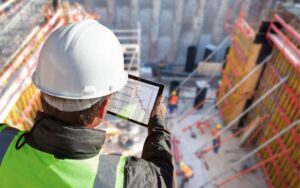
Cloud computing and mobile access are now standard in construction management software. Instead of data stuck in file cabinets or local servers, information lives in centralized platforms accessible on tablets or smartphones on the jobsite. This trend means every team member can see the same up-to-date plans, budgets, and schedules from anywhere. Contractors no longer send paper forms or call in updates; workers upload daily reports and photos in real time. Cloud platforms also integrate different workflows—such as design review, bidding, and field inspections—into one system. As a result, communication improves and errors drop.
For instance, when one large general contractor adopted a centralized cloud solution, their teams eliminated outdated drawings and improved collaboration across offices and sites. Studies show that 61% of contractors who used a unified project data platform reported better outcomes on their projects. The takeaway: moving to cloud and mobile systems is a must-have for the future. By storing data in the cloud and giving crews mobile tools, companies get real-time visibility and can respond instantly to issues.
Suggested article to read: Top 10 Must-Have Construction Management Software for 2024
3. Data Analytics and Business Intelligence
Modern construction software isn’t just a filing system—it’s a data engine. Advanced analytics and business intelligence (BI) features let teams turn raw data into actionable insights. Dashboards visualize metrics like cost burn rate, schedule variance, and safety incidents. Predictive analytics use this data to forecast trends – for example, predicting which tasks are likely to overrun or when equipment will need maintenance. This trend shifts decision-making from reactive to proactive. A centralized data strategy can even reduce maintenance costs by up to 30% through predictive upkeep.
Common data-driven capabilities include performance dashboards, automated reports, and “what-if” scenario modeling. Contractors might review analytics to spot that a particular trade has consistently more rework or that specific materials cause delays. Over time, teams learn from these insights to improve future bids and workflows. In short, BI tools help contractors see the big picture and fine-tune performance. Investing in analytics means fewer surprises: teams discover problems early and allocate resources more efficiently across infrastructure and building projects.
4. Internet of Things (IoT) and Connected Devices
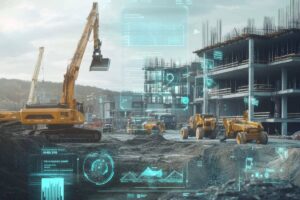
The Internet of Things (IoT) is extending construction software into the field through smart sensors and connected devices. Sensors on equipment, vehicles, or even personal protective equipment stream data into the project system. For example, soil sensors can monitor site conditions, GPS trackers can report equipment location, and wearables can check worker fatigue or exposure. This real-time data flow feeds into the construction platform, enabling automated alerts and improved oversight. A sensor network might detect concrete strength building over time and update the curing schedule in the software automatically.
Or an IoT-connected crane could send usage stats to maintenance logs. By fusing physical operations with digital management, IoT helps increase safety and productivity. One trend is incorporating 5G networks on sites, so high-bandwidth data (like 4K video from cameras or AR glasses) can sync instantly. Project managers can thus walk around with tablets and see live feeds from sensors. This transparency ensures issues are visible immediately. For instance, digital twin software uses IoT data to continuously mirror the real-world jobsite in a virtual model. Having an “always on” link between field and office is a major future trend—helping contractors make faster decisions with up-to-the-minute information.

5. Digital Twins and BIM Integration
Building Information Modeling (BIM) has been evolving into full digital twin systems. A digital twin is a virtual replica of a physical asset or project in the construction software. Unlike a static 3D model, the digital twin synchronizes with IoT data and project updates over time. This allows teams to simulate the construction process and even the future operation of a building or infrastructure asset. For example, before pouring concrete, engineers can run a digital simulation to verify structural integrity and sequencing. On large infrastructure projects like bridges or tunnels, a digital twin helps coordinate teams by highlighting clashes or sequencing conflicts in the model before they hit the field.
As projects progress, the model updates to reflect actual work done. Over the life of an asset, the digital twin becomes valuable for maintenance planning and system optimization. Software platforms are increasingly bundling BIM integration, data sharing, and even generative design into one “common data environment.” This means that contractors and owners can access a single repository of plans, schedules, and 3D models. Early adopters have seen huge benefits: one mechanical contractor doubled its margin after expanding its BIM team and using prefabrication at scale. The future trend is clear: fully digital, AI-enabled models of projects will guide everything from bid prep to final handover.
6. Augmented Reality (AR) and Virtual Reality (VR)
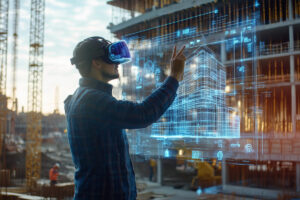
Immersive technologies like AR and VR are finding their way into construction management. AR overlays digital project information onto the physical world through tablets or smart glasses, while VR creates a fully simulated environment. Both are used for design review, training, and on-site collaboration. For example, on a new infrastructure project engineers might use AR to project a 3D model of piping onto the actual floor, ensuring all runs line up before installation. VR can let project teams “walk through” a building’s model before construction begins to spot design issues. AR also improves training and safety.
Major firms (for example, AECOM) are already using AR to create virtual hazard simulations, allowing workers to practice safety procedures in a controlled digital setting. Wearable AR aids can display work instructions hands-free on a helmet, or show real-time measurement data. As hardware becomes cheaper and more robust (even smartphone-based AR apps are emerging), these technologies will embed into management software. They let teams visualize complex plans on the jobsite, improve communication, and reduce mistakes. In short, AR/VR bring plans to life and train workers more effectively, aligning with the trend of digitalized, interactive project management.
7. Drones, Robotics, and Automation
Automation is on the rise in construction management – think drones mapping sites and robots performing repetitive tasks. Drones provide fast, high-resolution aerial surveys of work sites, feeding that data back into the software. This automates progress tracking and volume calculations. In practice, contractors have found that drone surveys can cut field work from weeks to days. In one example, a general contractor reported a typical 2–3-week surveying task was reduced to just 1–4 days using drones, slashing related costs by about 75%. Robots and 3D printers are also emerging for tasks like bricklaying, rebar tying, or pouring concrete.
These machines tie into management software to execute precise plans with minimal human input. While full autonomy is still developing, on-site automation can greatly speed up routine operations. The future trend includes more self-reporting machinery (autonomous equipment tracking its own output) and advanced construction robotics. These tools, combined with software, help address labor shortages by letting crews focus on specialized tasks while machines handle volume work. In summary, drones and robotics are making construction “smarter” by automating data capture and physical tasks – a key trend for infrastructure and building projects moving forward.
FAQs
How does artificial intelligence improve construction management software?
AI adds predictive power and automation to project software. It analyzes past project data to forecast delays, optimize schedules, and even suggest resource allocations. For contractors, AI-driven tools mean fewer surprises – for example, one system helped recover a 29-day delay on a data-center project and saved $32 million in potential costs. In practice, AI can automate repetitive tasks (like daily status updates) and highlight risks early, leading to faster decisions and reduced costs.
What features can contractors expect in next-generation construction software?
Future construction platforms will be cloud-based and mobile-first, with integrated tools for scheduling, budgeting, and field reporting. Key features include real-time collaboration (e.g. plan markups on a tablet), IoT data dashboards, and BIM/digital twin integration. Advanced analytics dashboards will track KPIs, and AI assistants might help draft schedules or identify clashes. Importantly, security and compliance monitoring will be built-in. These features help general contractors and infrastructure teams work smarter, not harder, by unifying data and automating routine processes.
Which benefits do real-time data and analytics offer to contractors?
Access to real-time data transforms decision-making. Contractors can spot issues (like cost overruns or safety incidents) immediately and course-correct in time. Analytics help quantify trends – for example, tracking budget burn rates or crew productivity – so project managers can allocate resources efficiently. Predictive analytics also guide preventive actions, such as scheduling maintenance before equipment fails. Overall, real-time insights reduce risks and waste. Companies see this in practice: one report found centralized, frequent data collection allowed building managers to cut energy or maintenance costs by around 30%, which translates directly to project savings.
Is it true that mobile and cloud computing are the future of construction management?
Yes. Mobile and cloud technologies are already transforming construction workflows. Cloud platforms give teams a single source of truth – everyone sees the latest plans and documents in real time. Field staff can enter data via mobile apps (timesheets, safety reports, photos) instead of waiting for paper to circulate. This eliminates duplication and accelerates communication. Studies show firms using integrated cloud systems have fewer errors and better project performance. In short, mobile cloud solutions are the backbone of future construction software, enabling on-the-go access and scalable collaboration for contractors.
Conclusion
Together, these seven trends paint a picture of a construction industry that is more digital, data-driven, and automated than ever before. Contractors who adopt AI-driven scheduling, cloud collaboration, real-time analytics, IoT connectivity, and immersive visualization will gain a competitive edge. These technologies help projects run smoothly, cut waste, and improve safety.
Of course, adopting new software means change management, so training teams and updating processes is essential. But the payoff is significant: future-ready construction management software ties together every aspect of a project, from design to closeout. In the end, the future of construction management lies in integrated software ecosystems – combining people, processes, and digital tools for more efficient, sustainable, and profitable building.
Resources:
Autodesk. (2025). Top 2024 AI Construction Trends: According to the Experts.
Wunderbuild. (2024). Case Studies: How Top Companies Use Construction Management Software.
ALICE Technologies. (2023). $32M Saved: Data Center Project Overcomes 29-Day Delay with ALICE.
TechHQ. (2018). How drones are saving millions for construction companies.
Deloitte. (2024). 2025 Engineering and Construction Industry Outlook.
For all the pictures: Freepik
Suggested article for reading:
5 AI Features in Air-Quality Platforms That Turn Sensor Noise into Workable Site Actions
6 Construction-Grade Air-Quality Platform Metrics (and Why They Matter)
9 Practical Air-Quality Monitoring Platform Deployment Steps on a Live Jobsite (Sensors, Networks, Dashboards)
5 Governments Rolling Out Construction-Site AQ Sensor Mandates (and the Platforms Used)
4 Scalable Data Pipelines Powering AI Air Monitoring in Resource-Constrained Markets