

Sustainable Material Handling refers to managing, moving, and storing construction materials in ways that minimize environmental impact. In green construction, efficient material logistics reduce waste, energy use, and carbon footprint while maintaining productivity and safety. The U.S. EPA promotes treating construction and demolition (C&D) debris as commodities for reuse, avoiding the need to mine new resources. In 2018 the EPA estimated over 600 million tons of C&D waste in the U.S. – more than twice municipal solid waste – highlighting the scale of potential savings. By rethinking equipment, storage, and processes, contractors can cut waste and costs. The following sections detail six key sustainable material handling practices, with examples and practical steps.
Table of Contents
Top 6 Sustainable Material Handling Practices Driving Green Construction
Energy-Efficient Material Handling Equipment
Using energy-efficient handling machinery is critical. For example, replacing diesel forklifts with electric models eliminates tailpipe emissions, reduces noise, and cuts fuel and maintenance costs. Electric lift trucks and battery-powered cranes operate quietly indoors and require fewer moving parts. Strategies include:
-
Electric Forklifts and Vehicles: Adopt battery-powered forklifts or hybrid loaders. Electric forklifts produce zero on-site emissions and need less upkeep than combustion engines. Over time, advanced lithium-ion batteries offer longer run-times and faster charging.
-
Renewable Charging: Install on-site solar arrays or wind power for equipment charging. For instance, warehouse rooftops with photovoltaic panels can directly power charging stations, offsetting grid energy use and further cutting carbon. Battery storage allows use at night or peak times.
-
Efficient Conveyor Systems: Use gravity-fed or low-friction rollers to move materials. Regenerative drives on conveyors can recover energy during braking or slowdown.
-
Idle Reduction and Telematics: Equip machines with telematics to monitor idle time. Scheduling software can alert operators to turn off motors when idle, avoiding wasted fuel. (For example, some facilities audit 15-minute data to find and eliminate unnecessary equipment operation.)
By choosing cleaner machines and smarter controls, construction sites lower fuel consumption and meet stricter emissions rules. The shift to low-emission handling equipment is increasingly driven by regulations and incentives; many jurisdictions now offer tax breaks for electric machines. Over time, efficient equipment pays off through energy savings and compliance with green building standards.
Smart Inventory and Just-In-Time Logistics
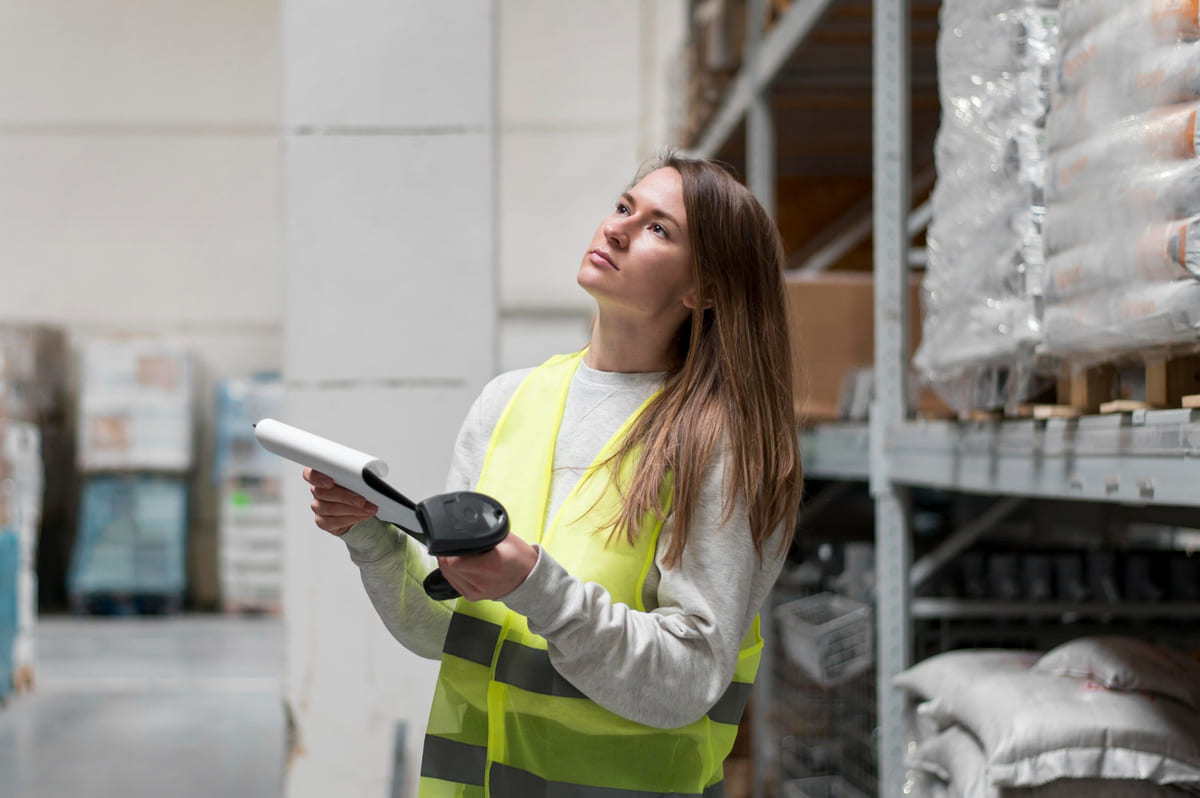
Effective inventory management prevents material waste and overstock. Lean, just-in-time (JIT) strategies ensure materials arrive when needed. In practice, this means closely coordinating supply deliveries with on-site demand to avoid excess storage and spoilage. Key actions include:
-
Just-in-Time Ordering: Schedule deliveries based on project phases and usage rates. JIT reduces handling and storage costs and minimizes damage risk. For example, contractors might receive only the steel beams or concrete batches required for the week, rather than stockpiling months of inventory.
-
Digital Tracking Systems: Use barcodes, RFID tags, or BIM (Building Information Modeling) to track materials in real time. A digital inventory system alerts teams to low stock or potential surpluses. By analyzing usage trends, foremen can adjust orders, avoiding over-ordering and scrap. As one analysis notes, technologies like IoT devices can provide real-time inventory data, enabling precise demand forecasts and cutting waste.
-
Demand Forecasting: Employ analytics to predict material needs from historical data and project schedules. Accurate forecasts align orders with actual usage, reducing leftover materials. Modern software can incorporate factors like weather delays or design changes to keep ordering on track.
-
Centralized Logistics Planning: Use a single system to plan shipments, deliveries, and on-site storage. This helps identify bottlenecks or inefficiencies. For instance, a well-configured system might reroute a late shipment to another site to avoid idle labor and wasted handling on one project.
By leveraging lean inventory and technology, companies can slash surplus ordering and disposal. One industry guide emphasizes that tightening the link between supply and construction schedules “significantly reduces the need for large inventory buffers”. In practice, firms that adopted smart scheduling have cut material waste and saved on storage costs.
Eco-Friendly Packaging and Material Use
Reducing packaging waste is a practical step for sustainable material handling. Construction materials often come with single-use plastics or foam that end up in landfills. To cut this waste:
-
Recyclable and Biodegradable Packaging: Replace plastic wraps or foam inserts with recycled cardboard, paper, or biodegradable films. Many suppliers now offer materials bundled in returnable crates or compostable straps. For example, several companies have switched from single-use shrink-wrap to reusable pallet cages or biodegradable wraps.
-
Reusable Containers: Use metal or plastic kegs, bins, and drums that can be reused across projects. For instance, bulk concrete or paint can be delivered in refillable tanks that are collected and cleaned. This cuts single-use drum waste and disposal fees.
-
Minimalist Packaging: Order only what is needed, avoiding extra bundling. For irregular shapes or components, custom-fit packaging (like stretch film cut to size) can minimize leftover material.
-
On-Site Material Optimization: For materials like lumber or pipe, plan cuts to minimize offcuts. Leftover pieces should be measured and cataloged; sometimes small scrap can be ordered out of a later supply run. This practice aligns with the circular economy by keeping raw material usage low from the start.
Implementing greener packaging helps sites reduce cleanup time and waste management costs. As one guide notes, “Switching to eco-friendly materials can significantly reduce waste and improve overall efficiency,” aligning with both customer and environmental goals. By insisting on sustainable packaging with suppliers, projects advance green credentials without impacting workflow.
On-Site Waste Sorting and Recycling
Effective sorting and disposal of waste on site turns potential garbage into resources. Construction projects should treat waste segregation as an operational task. Best practices include:
-
Designated Waste Zones: Set up clearly labeled bins or areas for wood, metal, concrete, drywall, plastic, and general refuse. By separating streams at source, recyclables stay clean and fetch higher value. For example, placing roll-off containers for scrap wood and metals prevents contamination.
-
Partnerships for Recycling: Team up with local recyclers or composters. Wood scraps can be chipped for landscaping mulch or biofuel; concrete debris can be crushed for fill or aggregate. Some projects even turn sand or dirt into compacted fill on-site.
-
Composting and Reuse: Organic waste (food, wood dust) can be composted rather than landfilled. Small timber offcuts might be reused for formwork, temporary ramps, or fuel. Steel and pipes are typically baled and sold to metal recyclers.
-
Regulatory Compliance: Adhere to waste diversion targets. For instance, Norway mandates that 70% of all construction waste must go to reuse or recycling. Even where not legally required, setting an internal target (say 50% diversion) encourages sorting discipline.
These steps streamline clean-up and lighten garbage loads. A case study found that near-completion of a building renovation, over 90% of demolition waste had been diverted to reuse or recycling to meet Norwegian regulations. Organized waste handling both cuts disposal fees and recovers value from materials that would otherwise burden landfills.

Green Procurement and Supplier Partnerships
Choosing sustainable suppliers and materials upstream multiplies handling benefits downstream. Rather than just in-house measures, look across the supply chain:
-
Green Suppliers: Vet vendors for eco-practices. Prioritize suppliers who use renewable resources or recycled content. For example, ordering lumber certified by the Forest Stewardship Council (FSC) ensures wood comes from responsibly managed forests. Recycled steel or aluminum components cut embodied carbon. According to sustainability guides, “Selecting suppliers who use eco-friendly practices can help reduce your overall carbon footprint”.
-
Local Sourcing: When possible, source materials regionally. Shorter transport distances mean less fuel and handling emissions. Local suppliers often have faster delivery, reducing waiting times and on-site storage needs.
-
Supplier Collaboration: Work with suppliers on packaging and delivery improvements. Some trucking firms offer backhaul programs (returning with material instead of empty). Others provide reverse logistics (picking up pallets or crates after drop-off). Collaborations like these reduce extra trips and materials.
-
Material Take-Back: Negotiate take-back of unused products. For instance, some manufacturers will collect leftover tile or insulation for reuse in future projects. This closes the loop on materials.
Building strong relationships with eco-conscious suppliers creates a more sustainable material cycle. It aligns procurement with company goals. In turn, suppliers often propose innovations (like bulk shipments in bulk bags or returnable bins) that drive efficiency. Such partnerships, as one guide notes, promote “a responsible resource management cycle throughout the supply chain”. Ultimately, green sourcing reduces both environmental impact and the complexity of on-site handling.
Circular Economy and Material Reuse
A circular economy approach makes the most of every material. Instead of linear “use-and-dispose,” design processes to reuse and recycle continuously:
-
On-Site Reuse: Salvage leftover or demolition materials for reuse on the same project. For example, intact brick, stone, or lumber from demolition can be repurposed in new construction. Concrete can be reused as aggregate or fill. Even pallets and crates often survive; dry pallets can be repaired and sent back.
-
Equipment Refurbishing: Rather than discarding old tools or machines, refurbish them. For instance, remanufactured pumps or drills often perform like new. This extends equipment life and reduces demand for new parts.
-
Design for Deconstruction: Plan structures so that components can be easily separated at end-of-life. Modular walls, clip-in panels, and accessible bolted connections allow future salvaging. Such foresight means materials can re-enter inventory rather than waste stream.
-
Industrial Symbiosis: Coordinate with other projects or industries. Surplus siding or windows from one site may be donated or sold to another. Excess steel beams might find use in local fabrication shops. This way, “components are continually cycled back into production, reducing waste significantly”.

Studies underline that reuse is the most effective waste-reduction strategy after initial material optimization. One report states flatly that “reuse is the single most effective way to reduce waste,” because it affects the entire material life cycle. A dramatic example comes from a Norway renovation project: by retaining almost all structural elements and reusing them, the team slashed material-related CO₂ emissions by 93% compared to rebuilding from scratch.
That project reportedly saved nearly 50 tons of resources through reuse alone. In practice, these steps cut procurement costs and embodied energy. By embracing a circular mindset, construction sites transform waste streams into revenue streams and meet ambitious sustainability targets.
Frequently Asked Questions
How can sustainable material handling improve waste reduction on construction sites?
Sustainable material handling reduces waste by ensuring materials are used efficiently and recycled. Strategies like just-in-time delivery avoid excess stock, while on-site sorting and reuse programs divert scrap from landfills. Data-driven inventory systems also flag overordering, so fewer materials expire or become surplus.
What types of equipment are considered sustainable for material handling?
Eco-friendly equipment includes electric or hybrid vehicles (e.g. forklifts, loaders) with zero on-site emissions and advanced batteries. Energy-efficient conveyors and cranes with regenerative drives are also sustainable choices. Installing renewable charging stations (solar or wind) for these machines further lowers environmental impact.
Which packaging methods support sustainable material handling?
Sustainable packaging uses recycled, recyclable, or biodegradable materials. Examples are cardboard wraps, paper filler, or compostable films. Reusable containers and bins (metal cages, plastic pallets) are also key, as they replace single-use boxes. These methods significantly cut waste, aligning handling with green goals.
Is it true that digital tracking is essential for sustainable material handling?
Yes. Digital tracking and data analytics are critical tools. Systems like RFID, BIM, and IoT sensors give visibility into inventory and equipment use, highlighting inefficiencies. By analyzing this data, teams can optimize delivery schedules, reduce idling, and prevent material overstock, making the handling process much more sustainable
Conclusion
Adopting sustainable material handling practices is both an environmental imperative and a business advantage. The six approaches above – from energy-efficient equipment and smart inventory to packaging, waste sorting, green sourcing, and reuse – work together to cut waste, save energy, and lower costs. For instance, switching to electric forklifts and solar charging dramatically reduces emissions, while just-in-time delivery systems prevent surplus stock. Combined with rigorous recycling on-site and choosing renewable materials, these practices can transform a construction project into a model of green efficiency.
Companies that integrate data-driven monitoring and collaborate across the supply chain gain insights similar to those at Lawrence Berkeley National Laboratory, where granular usage data revealed misconfigurations and eliminated wasteful energy use. Though implementation requires planning and team training, the result is healthier work sites and substantial savings. Ultimately, driving material handling toward sustainability protects the environment and enhances project performance.
Resources:
U.S. Environmental Protection Agency. (2025). Sustainable Management of Construction and Demolition Materials.
Flowtrac Solutions. (2024). Reducing Waste in Manufacturing with Smart Inventory Practices.
Greener Ideal. (2024). 7 Sustainable Tips for Safe and Efficient Material Handling.
Springer, Baarnes, S., & Liang, E. Z. (2025). A Case Study of Sustainable Resource Management Through Reuse of Building Materials. In The 1st International Conference on Net-Zero Built Environment (pp. 941–954).
Stow Group. (2023). Green Warehouse Design: Sustainability as the New Standard in Logistics.
For all the pictures: Freepik
Suggested article for reading:
Playbooks to Integrate IAQ Sensors with BMS/Digital Twins on Construction Sites 2025
8 Portable Filtration and Ventilation Setups for Cleaner Air on Interior Project
10 Dust and Silica Controls Every Superintendent Should Enforce in 2025
9 Steps to a LEED v4.1 Construction IAQ Plan That Passes the First Time
7 Jobsite Air-Quality Sensors Every GC Needs in 2025 (PM2.5, TVOC, CO₂)