
Construction sites remain hazardous work environments where falls, collisions, and exposure to toxic substances are daily risks. In 2025, new sensor solutions help turn safety into a proactive, data-driven process. Connected sensors on workers, equipment, and infrastructure gather real-time information to detect problems before accidents occur. For example, smart systems that integrate wearable tags and environmental monitors have enabled companies to reduce incidents and speed up emergency responses. This article reviews seven key sensor solution categories that are reshaping construction site safety in 2025, with practical examples of how each works.
Table of Contents
Top 7 Sensor Solutions Transforming Construction Site Safety in 2025
1. Wearable Safety Sensor Systems
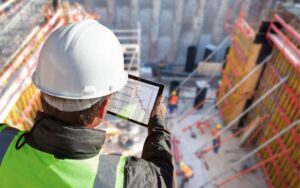
Wearable safety devices are now common on construction crews. Smart hard hats, vests, boots, and wristbands carry embedded sensors that monitor worker health, posture, and location. A smart helmet might measure head impacts, track vital signs, and even display warnings on a built-in screen. A high-tech safety vest can include GPS trackers and motion sensors: if a worker falls or stands still too long, the vest immediately alerts supervisors. Even smart boots contain pressure sensors to detect slips or presence of electrical fields. Fitness-tracker–style bands monitor heart rate and body temperature, sending alerts if a worker shows signs of heat stress or exhaustion.
-
Smart Helmets and Hard Hats: Embedded accelerometers and gyroscopes detect impacts or falls, while built-in cameras or displays can warn the worker of overhead hazards. Some helmets also track fatigue by monitoring brain-wave or heart-rate patterns.
-
Smart Safety Vests: Motion and GPS/RTLS tags in the vest allow real-time location tracking of each worker. These vests can sound an alarm if a fall is detected or if the wearer enters a restricted zone. Many also have bright LED lights or buzzers to draw attention when an alert is triggered.
-
Smart Boots and Footwear: Boots with pressure-sensitive insoles detect slips or sudden shifts in posture. Some models include sensors to alert for proximity to electrical hazards. They also log steps and standing time to infer fatigue levels.
-
Wearable Health Monitors: Smartwatches or bands measure vital signs like heart rate, hydration, and core temperature. These devices can send an alert if a worker’s body shows early signs of heat exhaustion, overexertion, or other health issues.
2. Proximity and Collision Avoidance Sensors
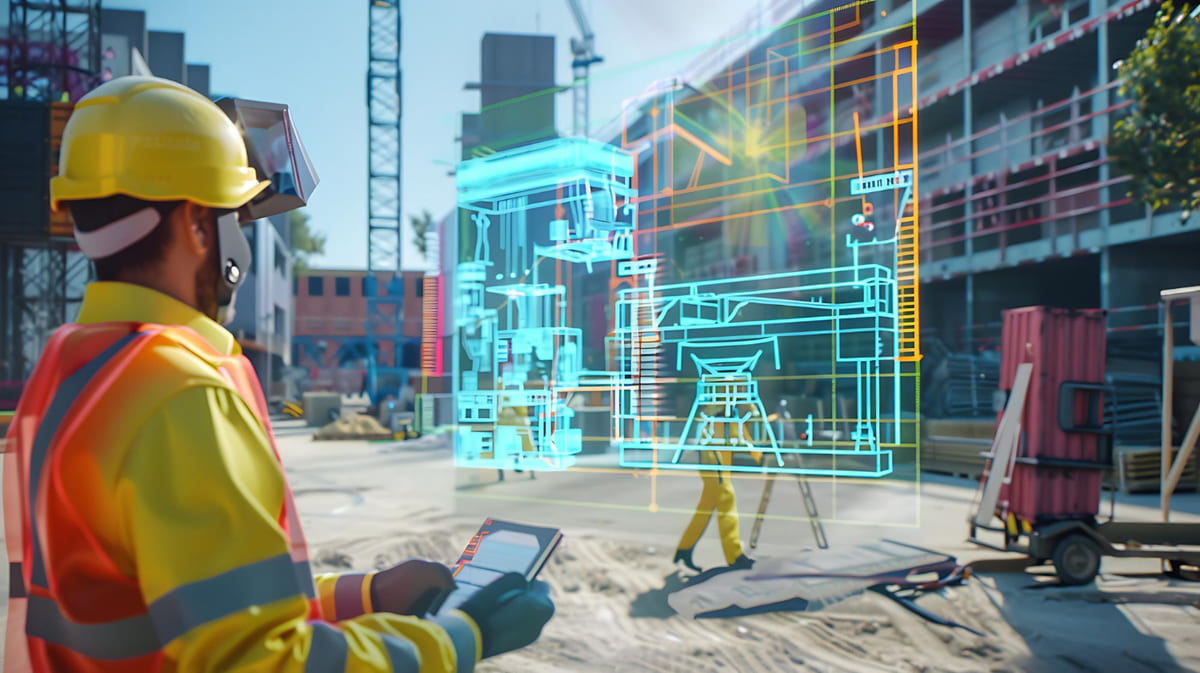
Heavy equipment and vehicle collisions are a major danger on sites. Proximity sensors on both workers and machines help prevent these accidents. For example, workers can wear small Bluetooth or UWB tags in their hard hats or vests that constantly broadcast their location. Excavators and cranes can be fitted with radar or ultrasonic detectors. If a person’s tag comes within a preset distance of moving machinery, an alarm or automatic braking is triggered.
Some smart helmets even have built-in infrared or RFID proximity alarms that buzz when dangerous equipment approaches. Geofencing takes this further: zones around hazardous areas (like open trenches or crane swing circles) are defined digitally, so any tagged worker or asset that crosses into a danger zone causes an immediate alert to site managers.
-
Worker Alerts: Wearable proximity tags and helmet sensors vibrate or light up when the wearer gets too close to heavy machinery. These immediate alerts help a worker step back before a collision happens.
-
Vehicle Detection: Machinery-mounted sensors (radar, LiDAR, or ultrasonic) detect nearby workers or obstacles. The machine’s controls can automatically slow or stop the equipment if a person enters its danger zone.
-
Geofencing Alerts: GPS or wireless beacon–based geofences create virtual safety perimeters. If a worker or vehicle enters a defined hazard zone (e.g. too close to a crane or an open pit), the system generates instant alerts to operators and supervisors.
Suggested article to read: Robotic Excavators and Diggers: Revolutionizing Construction Automation – 2024 Guide to Efficiency and Safety
3. Environmental Hazard Monitoring
Monitoring the work environment is crucial for health. Sensor networks on site detect gases, dust, noise, and weather conditions that can harm workers. Portable multi-gas detectors or fixed gas monitors keep track of toxic or combustible gases (like CO, H₂S, methane, or solvent vapors) and trigger alarms if levels become dangerous. Air-quality sensors measure dust and silica particle concentration, helping enforce ventilation or respirator use. Noise meters log sound levels around loud equipment to prevent hearing damage.
Weather stations with wind-speed, temperature, and humidity sensors send alerts if conditions become unsafe for tall cranes or heat-stress thresholds are crossed. Structural sensors (tiltmeters and strain gauges) on scaffolding or formwork can even warn of shifting or overloading. By continuously sampling these environmental factors, these sensor solutions let supervisors intervene (for example, by evacuating an area with a gas leak or pausing work during high winds) before a hazard causes injury.
-
Gas and Air Quality Sensors: Fixed or wearable detectors that sense toxic gases or oxygen deficiency. They alarm crews if, for example, CO levels rise in a confined space.
-
Dust and Particulate Monitors: Sensors that measure fine particles (silica, wood dust) in real time. Alarms can enforce dust-control measures or pauses when concentrations exceed safety limits.
-
Noise and Vibration Sensors: Devices that record decibel levels around equipment. Alerts can prompt use of hearing protection or equipment shutdown before hearing damage or structural fatigue occurs.
-
Weather and Structural Sensors: Anemometers, thermometers, and tilt/strain gauges track wind, heat, and stability. For instance, anemometer data can stop crane lifts in high winds, and tilt sensors on towers can warn of collapse risk.
4. Real-Time Location and Asset Tracking
Knowing where every person and piece of equipment is located at all times improves safety and emergency response. Real-time location systems (RTLS) use GPS, RFID, or ultra-wideband tags to continuously track tagged items. Workers wear tags or badges that update their positions on site maps. If an emergency evacuation is needed, supervisors instantly know which workers are in danger zones.
Similarly, trucks, generators, and tools are tracked via RFID or GPS; alerts can notify if an unauthorized person moves heavy machinery or if an expensive tool leaves the site. Some systems integrate with muster stations: in a crisis, the system can automatically record who has arrived at safety points. By overlaying worker and equipment locations, supervisors get a live view of personnel and asset distribution, enabling quicker search-and-rescue if someone is injured or missing.
-
GPS and RFID Tags: Devices attached to workers or machinery broadcasting location data to a central system. Managers use this to see who is in a hazardous area or to locate a missing worker immediately.
-
Bluetooth and UWB Beacons: Short-range transmitters placed around the site enhance indoor positioning. They provide precise tracking inside buildings or trenches where GPS is unreliable.
-
Digital Muster and Check-In: Automated systems track who is on site and where, streamlining head counts during emergencies. Workers can check in with a tag or station without manual rollsheets.
-
Vehicle and Tool Tracking: Embedded tags on vehicles and equipment prevent unauthorized use. If an item moves unexpectedly (e.g. a skip bin rolling downhill), alarms can notify operators to stop operation until it is safe.

5. AI-Powered Surveillance and Computer Vision
Cameras and computer vision software are acting as continuous safety monitors. AI-driven video systems watch live feeds to spot unsafe conditions that a human might miss. For example, smart CCTV can automatically detect if a worker is missing a hard hat or high-visibility vest and generate an alert. It can also recognize dangerous behaviors, like workers entering restricted zones or not standing clear of a moving load.
Thermal or low-light cameras extend vision to night shifts or through dust – they can see heat signatures, helping spot faint gas leaks or humans in low-visibility situations. Some sites even use facial recognition or biometric cameras at access gates to ensure only certified personnel enter certain areas. All these vision sensors feed into dashboards: the moment a camera “sees” a hazard, it can notify supervisors or sound site alarms.
-
AI Vision Cameras: Cameras with embedded analytics that instantly spot missing PPE, unsafe motions, or unauthorized entry, and trigger alerts.
-
Thermal and Low-Light Cameras: Sensors that capture heat signatures or provide night-vision, enabling continuous monitoring in darkness or obscured conditions.
-
Intelligent Access Control: Biometric or badge scanners integrated with cameras, ensuring only trained workers enter hazardous zones. For instance, only workers with the right certifications can unlock certain machinery.
-
Audio and Alarm Sensors: Microphones and acoustic sensors that detect abnormal sounds (like back-up beeps that indicate a vehicle movement) and activate alarms or alerts in response.
6. Drone and Aerial Sensing Technologies
Drones are now routine safety tools on construction sites. Unmanned aerial vehicles carry cameras, LiDAR, thermal sensors, and more to inspect the site quickly and safely. For example, a drone equipped with a high-resolution camera can fly around a scaffold or high structure to look for defects, removing the need for a worker to climb. Thermal drones fly over electrical equipment and welding operations to spot overheating parts before they fail.
Drones with laser scanners (LiDAR) create precise 3D site maps, revealing ground movement or settlement that could cause instability. In an emergency, specially outfitted drones can even drop first-aid kits or maintain radio contact to trapped workers. All this aerial sensing supplements ground sensors, giving an overhead view of hazards and enabling fast intervention.
-
Inspection Drones: UAVs equipped with visual cameras and lights for close-up surveys of structures, bridges, and roofs. They deliver detailed footage of hard-to-access areas without risking personnel.
-
Thermal Imaging Drones: Aerial thermal cameras identify heat anomalies, such as hot machinery, chemical reactions, or even people in need of rescue. These sensors can find problems invisible to the naked eye.
-
LiDAR Mapping Drones: Drones with laser scanners build accurate 3D models of terrain and structures. By comparing scans over time, teams can detect subsidence, trench shifts, or deformation in cranes and supports.
-
Emergency Response Drones: Drones carrying safety equipment (first-aid kits, radios) and live video feeds to response teams. In dangerous zones, a drone can arrive with help while ground teams stay clear of the hazard until conditions improve.
7. Integrated IoT Sensor Networks and Analytics
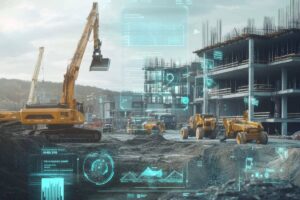
Individual sensors provide data, but their true power comes when all the data is connected into an IoT platform. Modern sites use integrated sensor networks that send every stream – from wearable health stats to gas levels to camera feeds – into a central cloud. Software dashboards aggregate this data into maps and charts so safety managers can spot trends at a glance. Advanced analytics engines process the raw data: for example, if worker vital signs rise at the same time wind speed increases, the system may predict heat-stress risk.

Machine learning models can recognize patterns (like vibration + temperature on a crane) that forecast equipment failure. When a dangerous condition is detected, the integrated system triggers alerts – and can even automate controls (e.g. cut power to a zone if gas is leaking). In summary, IoT integration ensures that insights from each sensor type complement one another. This holistic approach turns raw data into actionable safety intelligence across the entire site.
-
Centralized Dashboards: Software platforms that collect data from all sensors and display it on easy-to-read screens or apps. Managers can watch live site metrics and trends (heat maps of worker locations, gas concentration graphs, etc.) to anticipate problems.
-
Predictive Safety Analytics: AI algorithms analyze historical and real-time data (worker biometrics, weather, equipment status) to forecast hazards like heat stress or machine breakdowns. This lets managers fix issues before they cause injuries.
-
Automated Alerts and Controls: When any sensor detects a threshold breach (for example, toxic gas levels or a lost-worker signal), the system can automatically notify teams or even shut down equipment to halt unsafe conditions.
-
Interoperable Devices : Open communication standards (like MQTT or OPC-UA) ensure different sensor brands can share data. This makes it easy to integrate new devices into the safety network and maintain a complete picture of site conditions.
FAQs
-
How do wearable sensor solutions enhance construction worker safety?
Wearable sensors on PPE continuously monitor worker health and context. They can detect falls, overexertion, or exposure to harmful conditions and instantly alert supervisors. For example, a smart band that senses a dangerously high heart rate can prompt an immediate break before heat stroke occurs. This real-time feedback lets crews correct risky situations immediately rather than after the fact.
What types of sensors monitor environmental hazards on sites?
Key environmental sensors include multi-gas detectors (for CO, methane, etc.), dust particulate monitors, noise/vibration meters, and weather stations. These devices continuously measure site conditions. Gas sensors typically clip onto a worker’s vest and alarm at toxic concentrations. Dust sensors measure silica or other particles in the air. Decibel meters track noise exposure, and weather stations report wind and temperature. Together, they give a full picture of site hazards so managers can act (like ventilating or pausing work) before problems arise.
Which sensor technologies help prevent machinery collisions?
Collision avoidance relies on proximity and location sensors. Workers often carry Ultra-Wideband (UWB) or RFID tags, and equipment has its own detectors (radar or ultrasonic). When a worker’s tag comes near moving machinery, wearable alarms or machine brakes are triggered. GPS-based geofencing also helps: by defining a virtual “no-go” perimeter around cranes or dump zones, alerts sound if a person or vehicle enters those zones, giving operators time to stop.
Is it true that integrating sensor data and AI can improve site safety?
Yes. Combining data from many sensors into one platform enables smarter analysis. For instance, if environmental sensors show rising heat and noise while wearables show workers’ heart rates creeping up, an AI model can flag “heat stress risk” even before a single heatstroke occurs. AI algorithms can also correlate unusual patterns (like subtle changes in equipment vibration) to forecast failures. This holistic, data-driven approach means managers get actionable insights instead of isolated alerts, significantly improving overall safety management.
Conclusion
By 2025, sensor solutions are transforming construction site safety from a reactive to a proactive process. Wearable sensors, environmental monitors, AI cameras, and drones together provide continuous awareness of conditions that used to be invisible. Each category of sensor adds a layer of protection – and the greatest gains come from tying them together in a unified system. In practice, this means fewer accidents, faster emergency responses, and smarter planning. Safety managers can finally rely on data – for example, a site might discover that workers in a certain heat zone are consistently reaching fatigue thresholds and adjust break schedules accordingly. As more companies adopt these technologies, the industry standard for safety will continue to rise.
Resources:
PlanRadar. (2025). Construction safety technology in 2025: Trends and innovations to look out for.
American Institute of Constructors. (2024). Using wearable technology in construction to reduce incidents.
Electrical Contractor Magazine. Wearable Safety Devices: Smart technology use rises on construction sites.
U.S. Government Accountability Office. (2024). Science & Tech Spotlight: Wearable Technologies in the Workplace.
National Institute for Occupational Safety and Health (NIOSH). (2019). Wearable technologies for improved safety and health on construction sites.
RevGen Partners. (2025). Revolutionizing construction safety with IoT.
European Agency for Safety and Health at Work. (2022). Improving compliance with occupational safety and health regulations.
For all the pictures: Freepik
Suggested article for reading:
4 Proximity and Intrusion Sensor Solutions for Work Zone Safety
Best 5 Wearable Sensor Innovations Keeping Construction Crews Safe and Productive
10 Benefits of Smart Sensor Networks in Construction Analytics and Maintenance
7 Emerging IoT Startups Accelerating Smart Construction Efficiency
Top 4 Leading IoT Companies Delivering Wearable Safety Solutions on Construction Sites
8 Benefits of IoT Construction Platforms for Jobsite Productivity and Safety