Hybrid Additive-Subtractive Fabrication is an emerging manufacturing approach that combines 3D printing (additive manufacturing) with traditional machining (subtractive manufacturing) in a unified process. By leveraging both techniques in one workflow, it becomes possible to create custom components with complex shapes and precise tolerances more efficiently than ever before. This approach addresses the limitations of using either additive or subtractive methods alone – 3D printing can form intricate geometries but often lacks precision or surface finish, while machining delivers accuracy but is limited in shape complexity and can waste costly material.
Over the past few years, several breakthroughs have advanced hybrid fabrication from an experimental concept to a practical solution currently in use across industries such as aerospace, energy, and even construction. These breakthroughs are enabling faster production, reduced waste, and new design possibilities for custom parts. In this article, we delve into three major breakthroughs in Hybrid Additive‑Subtractive Fabrication that are revolutionizing how custom components are made.
Table of Contents
3 Breakthroughs in Hybrid Additive‑Subtractive Fabrication for Custom Components
Breakthrough 1: Single-Machine Hybrid Manufacturing for Complex Parts
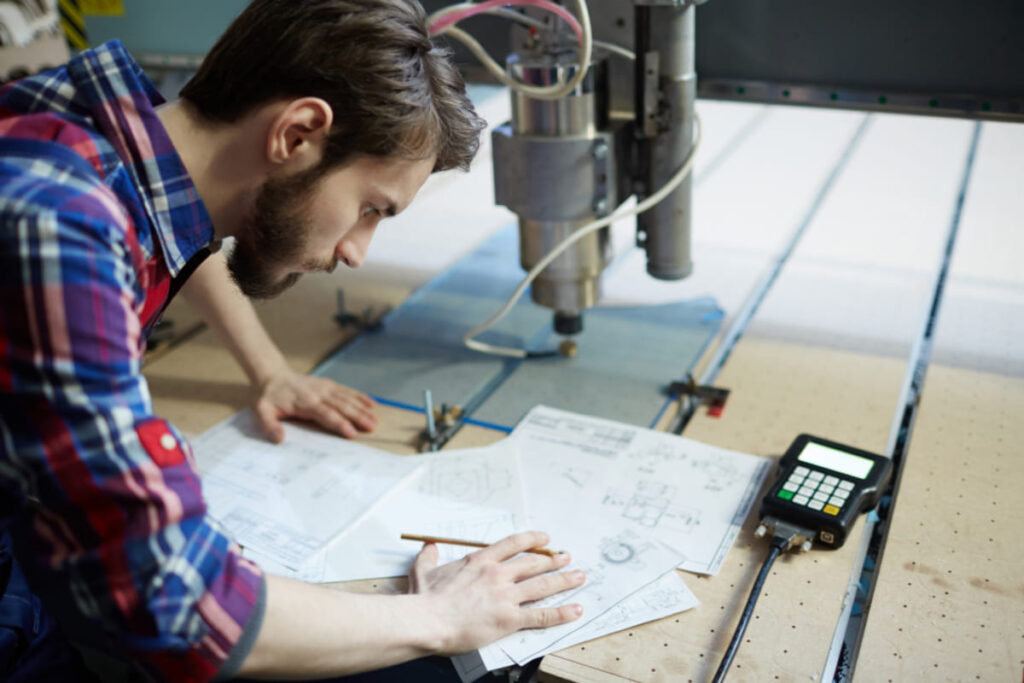
One key breakthrough is the development of single-machine systems that can perform both additive and subtractive processes in one setup. In a hybrid machine, a part is built up layer by layer and then milled to high precision without ever moving it to different equipment. This integration has accelerated production cycles and expanded the complexity of parts that can be produced. For instance, advanced hybrid CNC machines feature a laser or wire-feed deposition head alongside a multi-axis milling spindle. The machine can switch between adding material and cutting material within the same coordinate frame, eliminating the need for multiple machines or re-fixturing of the part.
In practice, a component can be partially 3D printed and then immediately machined for critical surfaces or features, alternating these steps until the piece is complete. Complex internal geometries that were once impossible to mill directly can be created by printing those sections, while mating surfaces, holes, and fine details are machined to exact specifications. Near-net-shape fabrication drastically reduces material waste – instead of carving away 80% of a metal block to get a final shape, material is only added where needed and minimal machining is required for finishing.
Suggested article to read: The Role of 3D Printing Robots in Construction; 2024 Guide
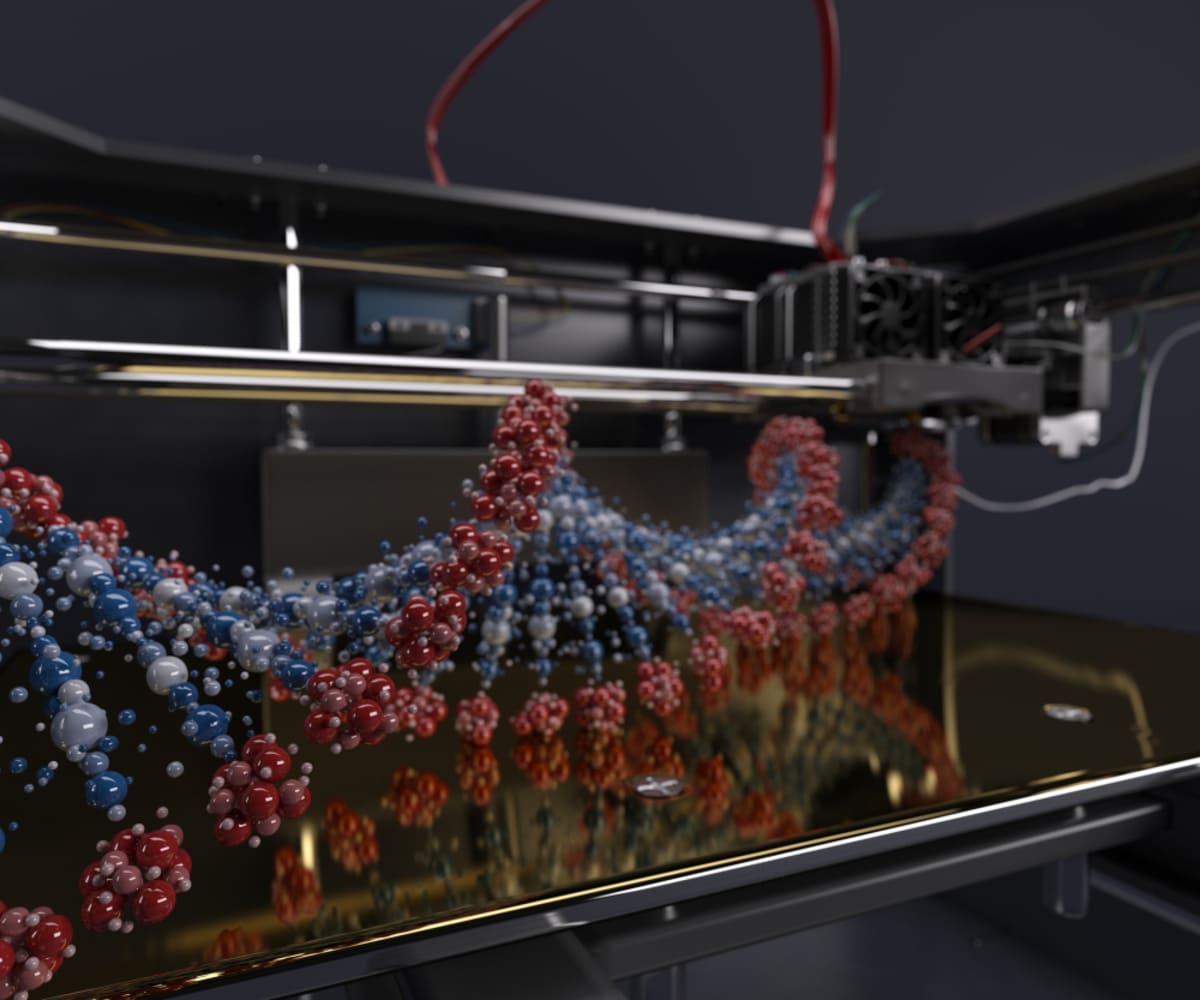
Case Example: On-Demand Pump Impeller in Days
A dramatic example is producing a custom pump impeller using one hybrid machine. Sulzer, for instance, built a complex metal impeller in just a few days, compared to the 15–20 weeks that casting and machining would typically require. In this approach, a steel impeller blank was partially machined, then a laser deposition head added material to form the blades and outer profile, which were immediately milled to final shape.
By alternating deposition and 5-axis milling in one setup, the process yielded a finished impeller with smooth internal surfaces and precise dimensions without any transfer between machines. This on-demand fabrication method drastically cut lead time and allowed the end user to reduce its spare part inventory. Similar hybrid techniques are now being applied to other high-value parts – from aerospace engine components to medical implants – achieving complex geometries without long waits or excessive scrap.
Key benefits of single-machine hybrid fabrication:
-
Faster turnaround: Combining 3D printing and CNC machining in one setup avoids lengthy scheduling between separate shops and eliminates re-alignment steps, shrinking overall production time.
-
Complex geometry + precision: Parts can have intricate, organic shapes (thanks to additive layering) along with tight tolerances and fine features (thanks to in-situ machining), all in a single build sequence.
-
Reduced material waste: Material is added only where needed. Expensive metals (titanium, Inconel, etc.) are utilized far more efficiently than in purely subtractive methods, where a large portion of the stock is cut away.
-
Lower labor and cost: Automation within one machine means fewer human interventions, no need for custom casting molds or multiple fixtures, and less floor space – reducing both labor and equipment costs for one-off production.
Breakthrough 2: Digital Integration and Smart Process Planning
Another major breakthrough driving Hybrid Additive‑Subtractive Fabrication is the integration of smart software, simulation, and sensors to harmonize the two processes. Early hybrid manufacturing efforts often faced challenges – for example, determining how to alternate between printing and machining, how much extra material to leave for machining, and how to avoid distortions when combining processes. Recent advances tackle these challenges with sophisticated digital process modeling and automated control, effectively creating a digital twin of the part and its manufacturing steps.
Modern hybrid systems use integrated CAM (Computer-Aided Manufacturing) software to plan both the additive and subtractive stages together. Engineers can simulate the layer-by-layer additive build to predict the shape and any potential deformation, then automatically generate the machining operations needed to achieve final dimensions. For example, simulation can reveal if a part will warp from heat during printing (allowing a change in strategy before fabrication) and can determine the minimal machining allowance required so that finishing cuts are efficient.
Beyond simulation, sensor feedback and automation are elevating hybrid processes to new levels of precision. High-end hybrid machines employ sensors (laser scanners, cameras, etc.) to monitor each deposited layer in real time and adapt the process. If a deposited layer is slightly oversized or misaligned, the machine detects it and performs an immediate corrective milling pass. This closed-loop feedback ensures the final part meets tight tolerances without manual intervention.
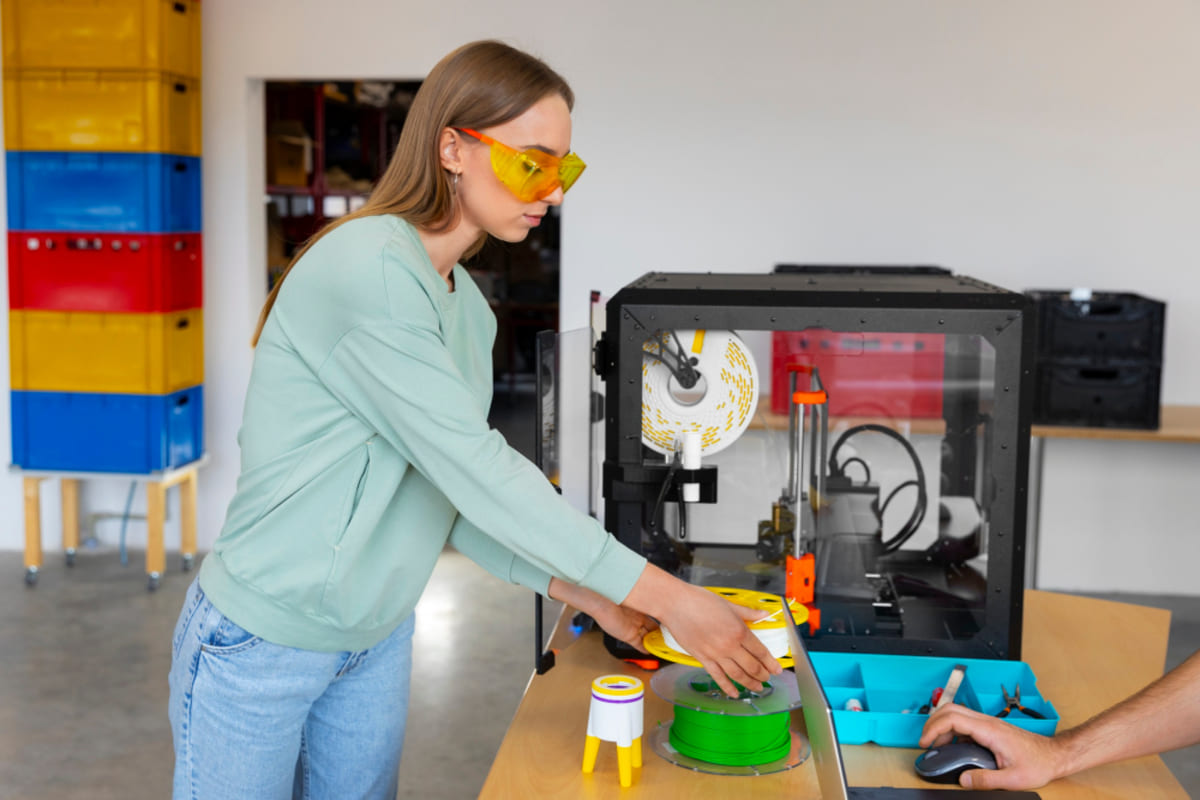
Additionally, unified software platforms now handle all additive and subtractive instructions in one program. The system can automatically decide when to switch between printing and milling for optimal efficiency and quality. This seamless digital workflow minimizes human error and ensures both processes work in concert, making hybrid fabrication more reliable and production-friendly.
Key innovations in hybrid process software and control:
-
Additive-subtractive CAM integration: A single software environment programs both deposition and cutting operations, ensuring they are coordinated and eliminating errors in hand-offs between separate systems.
-
Predictive simulation: Virtual modeling of the build process foresees distortions and residual stresses, allowing engineers to adjust the plan (toolpaths, supports, etc.) for “first-time-right” manufacturing of complex parts.
-
Adaptive toolpath adjustment: In-process monitoring (scanning each layer or feature) enables the machine to correct itself on the fly. If any discrepancy is detected, the system modifies the next print or cut step to compensate, blending feedback control with CNC precision.
-
Data-driven optimization: Process knowledge is captured in databases linking parameters to outcomes (like surface finish or hardness). Using this data, hybrid machines can optimize laser power, feed rates, or cutting speeds for each section of a part, balancing additive speed with subtractive accuracy.
Breakthrough 3: Expanded Applications – From Aerospace to Construction
Hybrid Additive‑Subtractive Fabrication gained its initial foothold in high-tech sectors, but a recent breakthrough is its expansion into new application areas and scaling up to larger custom components. Industries that need one-of-a-kind parts or low-volume, specialized production are increasingly adopting hybrid techniques in 2024–2025. Two notable areas of growth are the construction sector and custom tooling manufacturing, alongside ongoing innovation in aerospace, automotive, and energy.
In aerospace, hybrid manufacturing is used to produce critical components from superalloys like titanium and Inconel with far less waste. Instead of machining away most of a costly alloy block, manufacturers 3D print a near-net shape and then machine it to final form, saving material and cost. This approach also allows more complex designs – for example, a part can be printed with internal lattice structures or cooling channels for weight savings, then all functional surfaces are milled to precision.
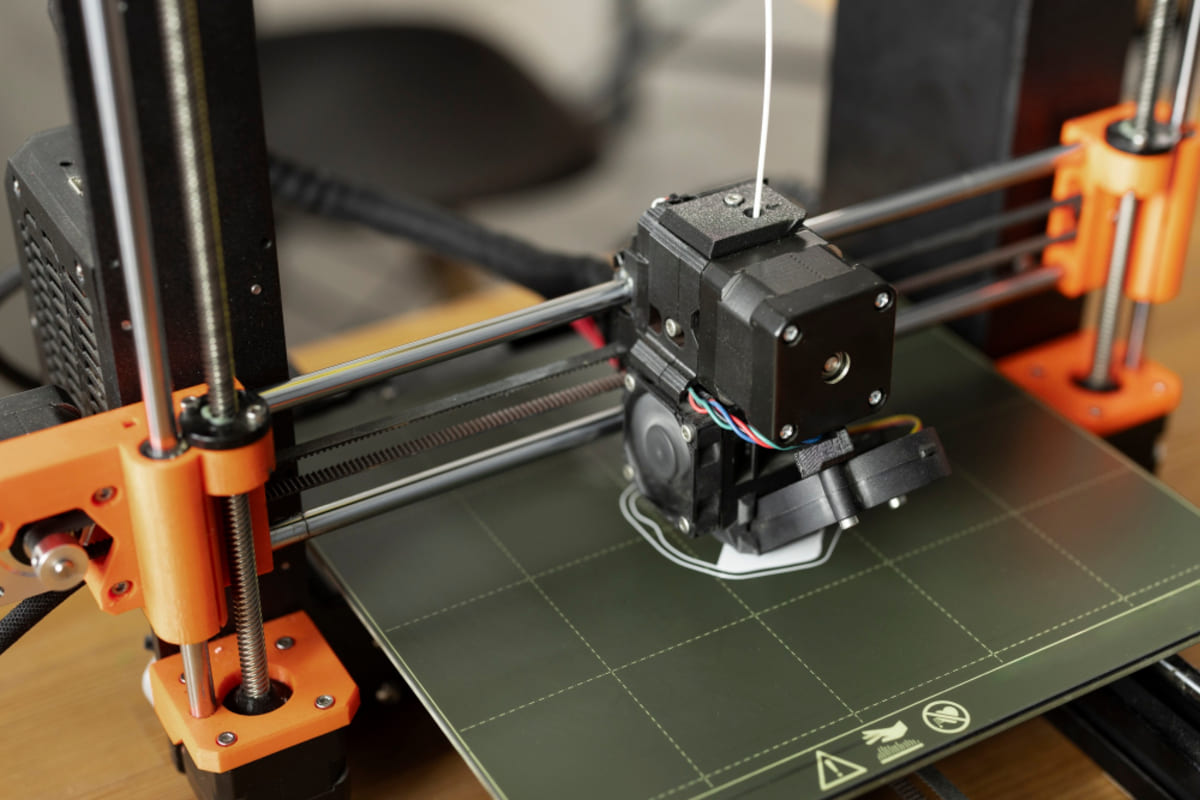
The construction industry is beginning to adopt hybrid methods for custom metal components in architecture and infrastructure. Steel structural nodes, beams, and facade panels have been made using Wire Arc Additive Manufacturing (WAAM) combined with machining for critical interfaces. WAAM can rapidly deposit large steel features, and then a subtractive step machines certain surfaces or connection points to ensure they meet building tolerances. For example, a free-form steel node can be printed to shape and subsequently milled at its base so it bolts accurately to standard girders. This approach enables unique, one-off structural designs without the expense of custom molds or extensive hand-fitting.
Tool and mold making also benefits from hybrid fabrication. An injection mold insert with intricate cooling channels can be produced by printing the rough form (with channels included) and then machining the outer surfaces for a precise fit. This yields high-performance tooling much faster than conventional methods. Similarly, custom press dies and jigs can be made quickly: the additive process forms complex shapes or features, and the subtractive process provides accuracy on critical surfaces.
Notable current applications of hybrid fabrication:
-
Aerospace components: Aircraft brackets, engine parts, and satellite components are 3D-printed in titanium or nickel alloys and then finish-machined. This dramatically cuts material waste while still achieving the tight tolerances needed for flight-ready hardware.
-
Construction and architecture: Large steel nodes, connectors, and facade panels are built with WAAM (wire-feed additive) and then CNC-trimmed. The combined process yields unique structural forms that fit together precisely, enabling innovative designs without costly custom formwork.
-
Tooling and molds: Hybrid-manufactured mold inserts and dies include internal cooling channels or other embedded features. Additive construction creates the complex internal geometry, while subtractive machining ensures the exterior surfaces meet exact specifications for use in production.
FAQs
How does Hybrid Additive-Subtractive Fabrication work?
Hybrid Additive-Subtractive Fabrication uses a machine or process that can both 3D print material and machine it within the same workflow. Essentially, the machine deposits material to create a rough shape (the additive step) and then mills or trims that shape to achieve precise details (the subtractive step). This cycle may repeat multiple times until the part is complete.
What are the benefits of Hybrid Additive-Subtractive Fabrication for custom components?
It allows manufacturers to create extremely complex custom components much faster and with less waste than traditional methods. For one-off or highly customized designs, hybrid fabrication eliminates the need for expensive molds, special tooling, or multiple setups. You get the geometric freedom of 3D printing combined with the accuracy of machining in one process, so the final part meets exact specifications without lengthy hand-fitting or finishing.
Which industries use Hybrid Additive-Subtractive Fabrication?
Aerospace and defense were early adopters of hybrid techniques for lightweight, high-performance parts. The energy sector (for example, turbine and pump manufacturers) uses hybrid methods to quickly repair or produce metal components on demand. Automotive and motorsport companies employ it for rapid prototyping and custom high-performance components. Construction is also beginning to use hybrid fabrication for unique structural elements and architectural metalwork.
Is it true that hybrid manufacturing can drastically reduce production time and waste?
Yes. By combining processes, hybrid manufacturing avoids the slow, multi-step approach of traditional fabrication (for instance, making a casting and then machining it). This can cut production time from months to days for certain one-of-a-kind parts. It also reduces waste because material is added only where needed instead of carving away a bulk piece (an important advantage when using expensive materials).
Conclusion
Hybrid Additive‑Subtractive Fabrication has evolved from a novel idea into a practical manufacturing strategy, bringing significant improvements in how custom components are produced. The breakthroughs highlighted – integrated hybrid machines, smart digital process planning, and expansion into large-scale applications – all contribute to making manufacturing more agile and efficient.
By marrying the freedom of additive manufacturing with the precision of subtractive methods, hybrid fabrication offers the best of both worlds: complex, tailor-made parts produced with speed and accuracy. As companies continue to adopt and refine hybrid techniques, this approach is poised to become a mainstream method for delivering custom, high-performance components on demand.
Resources:
-
MDPI. Rabalo, M. Á., García, A., & Rubio, E. M. (2025). Emerging trends in hybrid additive and subtractive manufacturing. Applied Sciences, 15(11), 6102. Available at:
-
IFT Vienna (TU Wien). (2025). Advances in hybrid manufacturing – Ad-Proc-Add II project combines additive and subtractive technologies. Metal Additive Manufacturing, May 15, 2025.
-
Sulzer. (2020). Sulzer creates a hybrid additive manufacturing process to minimize lead time on components for Chevron. Turbomachinery International, 17 Dec 2020.
-
MDPI. Raspall, F., Araya, S., Pazols, M., Valenzuela, E., & Benavides, P. (2025). Wire Arc Additive Manufacturing for widespread architectural application: A review informed by large-scale prototypes. Buildings, 15(6), 906.
For all the pictures: Freepik
Suggested article for reading:
6 Examples of Robotic Bricklaying and On‑Site Assembly in Construction
10 Government Policies for Solar Panels into New Builds in 2025
5 Ways AI is Revolutionizing Asset Tracking and Management
6 Must-know AI Tools for Construction Managers
5 Real‑World Applications of BIPV: From Facades to Canopies